Gallup data center proposal raises water, jobs and notice concerns
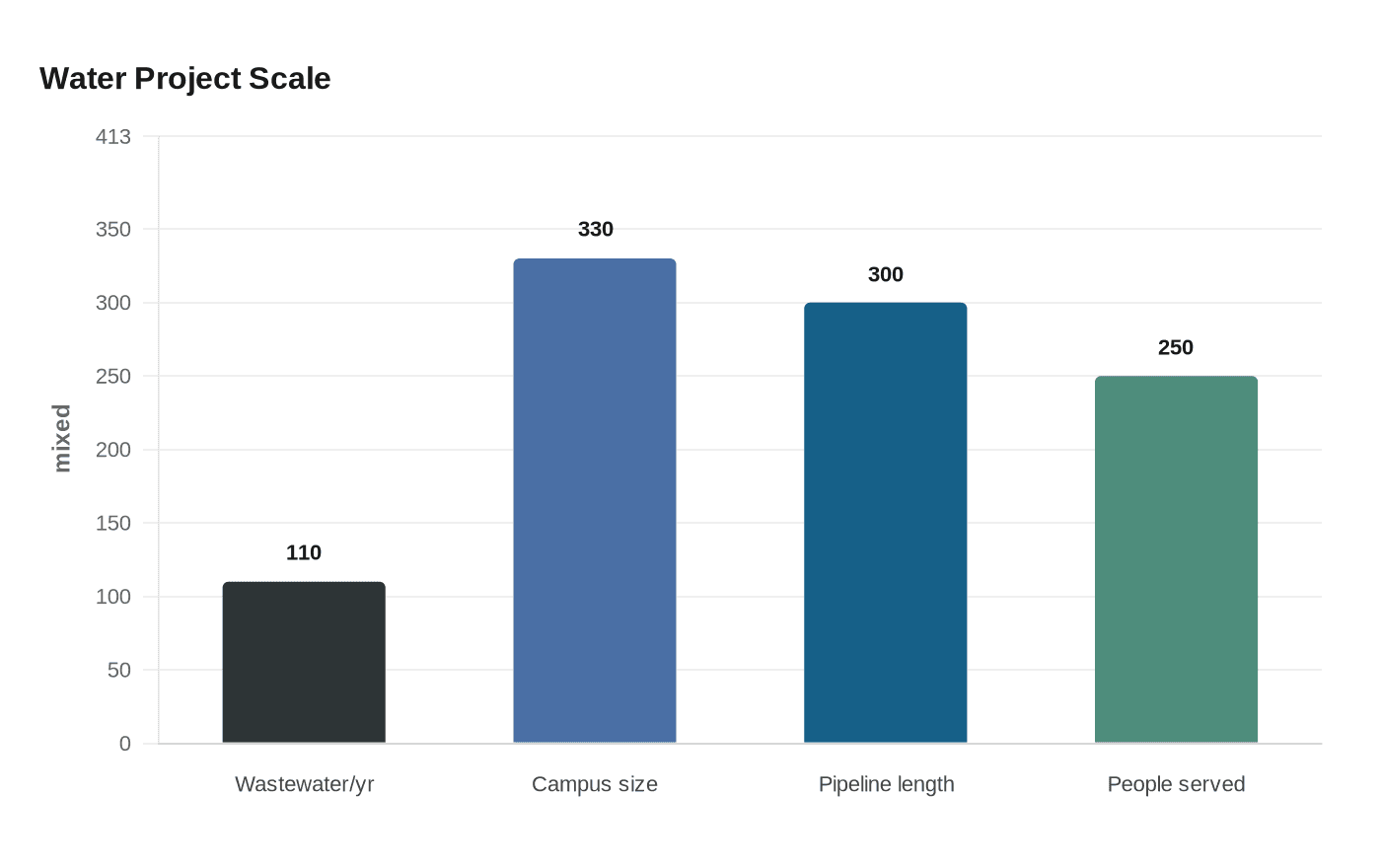
A 330-acre Gallup Tradeport data center could send nearly 110 million gallons of wastewater a year into a water-stressed region already waiting on Navajo-Gallup deliveries.

Gallup City Council put off action April 29 on a wastewater deal tied to a proposed 330-acre data center in the Gallup Tradeport, and the scale alone sharpened the stakes: nearly 110 million gallons of wastewater a year could be routed to the project if the agreement advances.
That number is now colliding with a much larger question in McKinley County and across the Eastern Navajo Nation, who bears the risk if a private technology campus moves ahead in a region where water is already scarce. At a May 14 discussion, speakers raised concerns about water use, public notice and whether the project could affect the Navajo-Gallup Water Supply Project, the long-delayed system meant to carry municipal and industrial water from the San Juan River to Gallup, the eastern Navajo Nation and the southwestern Jicarilla Apache Nation.

The project’s footprint is not small. The Bureau of Reclamation says the Navajo-Gallup Water Supply Project stretches about 300 miles through pipeline, with nineteen pumping plants and two water treatment plants designed to serve the future needs of about 250,000 people. Reclamation also says Gallup’s groundwater has dropped about 200 feet over the past 10 years, and more than 40 percent of Navajo Nation households still rely on hauling water. That is the backdrop for any new industrial demand in Gallup’s eastern growth corridor.
The data center pitch has centered on a 330-acre campus and on the possibility of landing a major tenant. Teraplex Data Centers LLC co-founder Greg Thompson said he wanted a customer such as Oracle, Meta, Amazon or Microsoft. But the council’s April 29 deferral showed how quickly the conversation moved away from the business case and toward public cost, infrastructure strain and whether local officials are being asked to approve a deal before residents and tribal communities can fully weigh the consequences.
The timing matters because the regional water system is still unfinished. Congress authorized the project in 2009, construction began in 2012, and the completion deadline was extended Nov. 8, 2024, to Dec. 31, 2029, through an agreement involving the Department of the Interior, the Navajo Nation and the New Mexico Interstate Stream Commission. Reclamation says initial deliveries from the San Juan Lateral are expected in late 2028. In that setting, a major industrial water agreement is not just a development proposal. It is a test of whether Gallup can expand without deepening the water burden on families already living with shortages, hauling water and years of deferred infrastructure.
This article was produced by Prism’s automated news system from verified source data, official records, and press releases, then run through automated quality and moderation checks before publishing. The system is built and supervised by the people who set the standards it runs under. Read our full AI policy.
Did this article answer your question?