Diné Action Plan Gathering Reviews Progress, Sets Goals for Next Five Years
Navajo Nation Speaker Crystalyne Curley called the five-year plan "necessary for the safety, healing, and future of our people" as DAP task forces chart next steps through September.
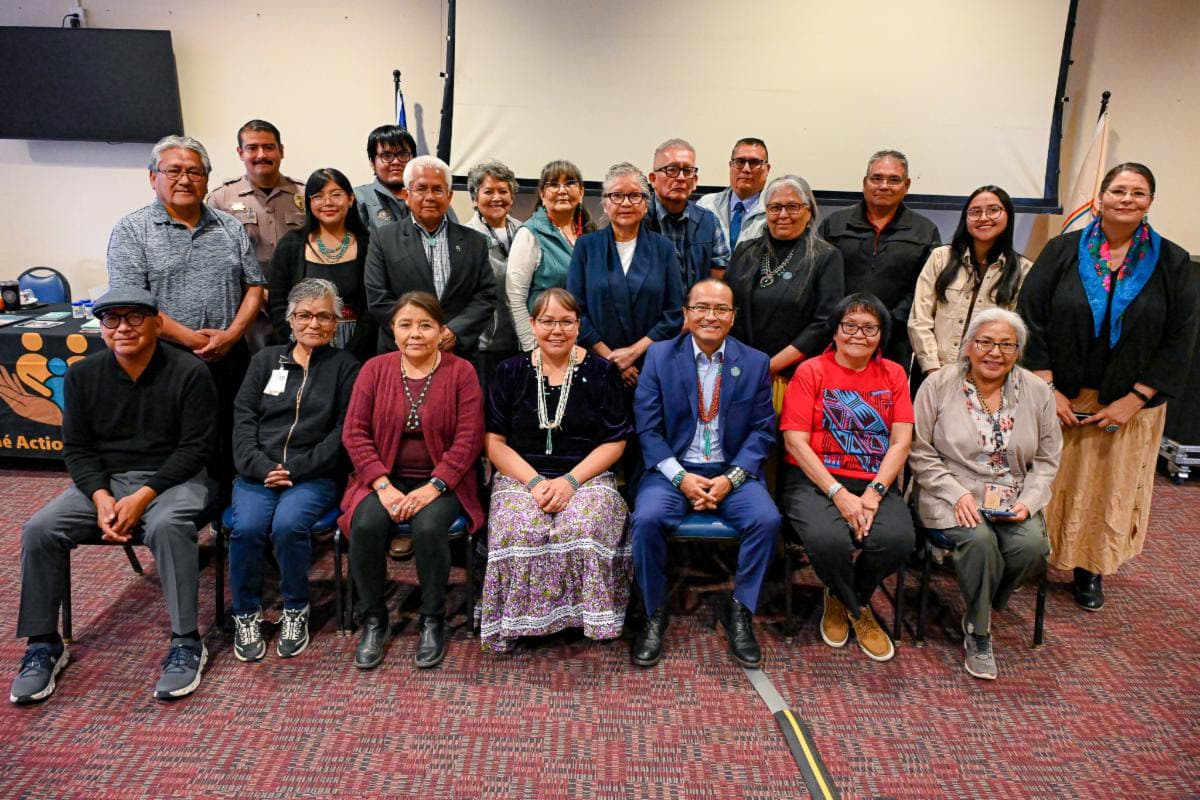
Five years after the Navajo Nation approved its most ambitious culturally grounded public health framework, DAP Task Force leaders, members of the 25th Navajo Nation Council, and community advocates gathered March 19 and 20 to take stock of what the Diné Action Plan has accomplished and decide where it goes next.
Navajo Nation Speaker Crystalyne Curley addressed task force members and leadership at the two-day convening, framing the gathering's stakes in direct terms. "This work reflects who we are as Diné people," Curley said. "I commend the Diné Action Plan Task Force and leaders for their commitment over the past five years to grounding this work in our Navajo culture, our language, and our traditional teachings." She added: "You are taking on the four modern-day monsters and choosing to meet them with strength rooted in our identity and values. This work is necessary for the safety, healing, and future of our people, especially our children."
The Diné Action Plan, approved by Navajo Nation leadership in 2021, is built around four nayéé', or modern-day monsters: substance abuse and addiction, suicide, violence, and missing and murdered Diné relatives (MMDR). The plan opens with the story of the Slaying of the Monsters, in which the warrior Twins used tools of the bow and arrow provided by the Sun to defeat monsters threatening Diné people. As the Navajo Division for Children and Family Services has noted, "The teachings of the Holy People are embedded in our culture and traditions, and the teachings provides us with the tools we need to defeat our modern monsters."
The gathering marked the plan's Siihasin phase, the reflection and evaluation stage of the Diné planning model, which moves through Nitsáhákees (thinking), Nahat'áa (planning), Iiná (life), and Siihasin (reflection and/or evaluation). Task forces reviewed the entire plan document during the two days, examining nearly five years of implementation and identifying priorities for the next phase.
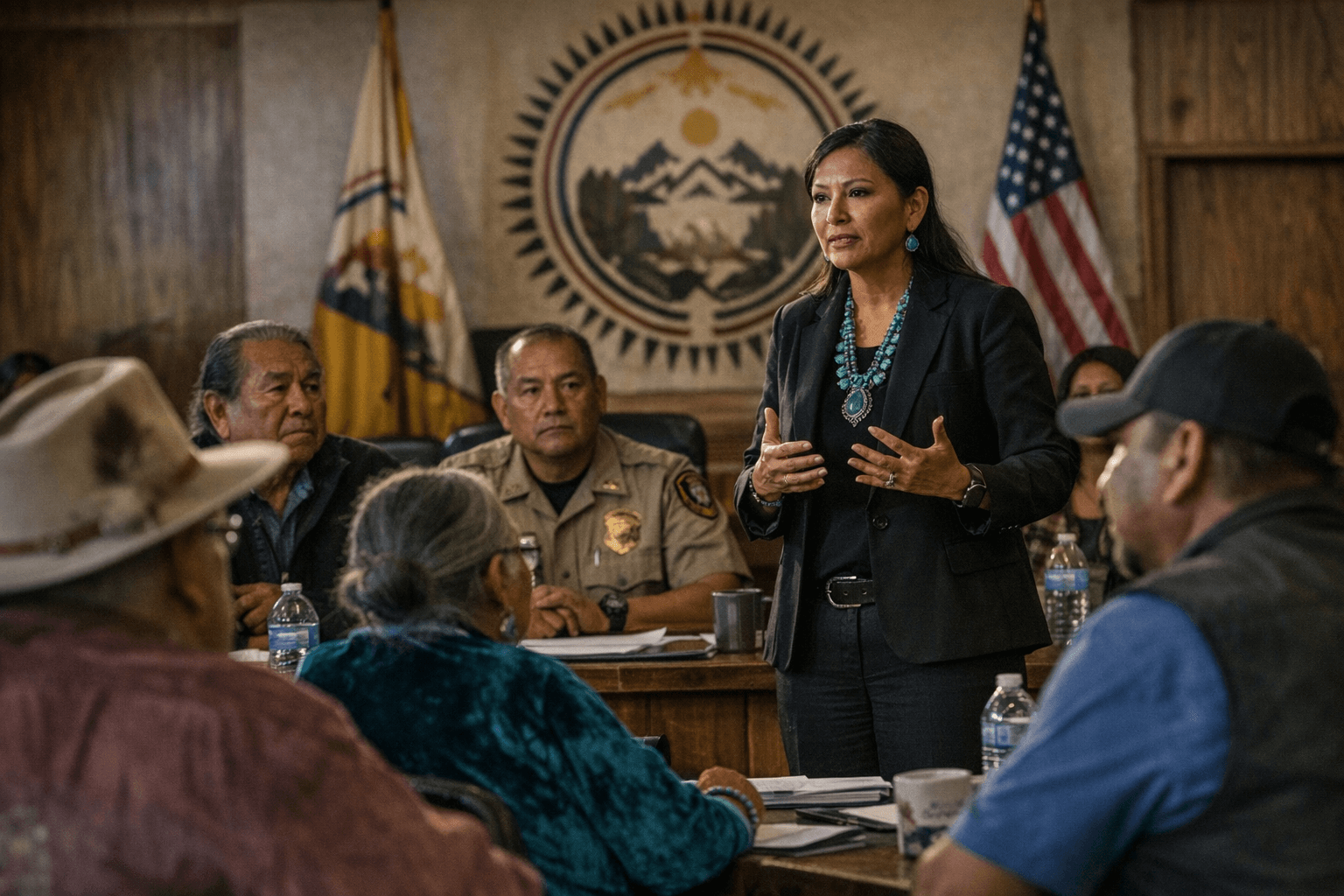
Those priorities include strengthening prevention efforts, improving cross-sector coordination, expanding culturally grounded rehabilitation, and ensuring services reach the communities most in need. Louvannina Tsosie, a Navajo Nation Youth Advisory Council At-Large member, took part in discussions focused specifically on improving engagement with younger generations, a signal that the next phase will place greater emphasis on reaching Navajo youth.
The updated plan is expected to be completed by September 2026 and presented during the 2026 Fall Council Session. Community members seeking to connect with specific task forces can contact the Substance Abuse and Addiction Task Force through its leader, Vera John of the Navajo Division of Behavioral Health Management, at verajohn@navajo-nsn.gov.
The 25th Navajo Nation Council press release placed the gathering in Gallup, N.M., while a separate account listed Window Rock, Ariz.; the physical meeting location could not be independently confirmed before publication.
This article was produced by Prism’s automated news system from verified source data, official records, and press releases, then run through automated quality and moderation checks before publishing. The system is built and supervised by the people who set the standards it runs under. Read our full AI policy.
Did this article answer your question?