Federal Prison Sentence for Gallup Man in Strangulation Case
A Gallup man was sentenced to 57 months in federal prison after pleading guilty to assault resulting in serious bodily injury and assault by strangulation for a March 2024 attack that left his girlfriend with brain bleeding. The case highlights federal and tribal law enforcement cooperation, the criminal justice consequences for severe domestic violence, and the ongoing need for coordinated victim services in McKinley County.
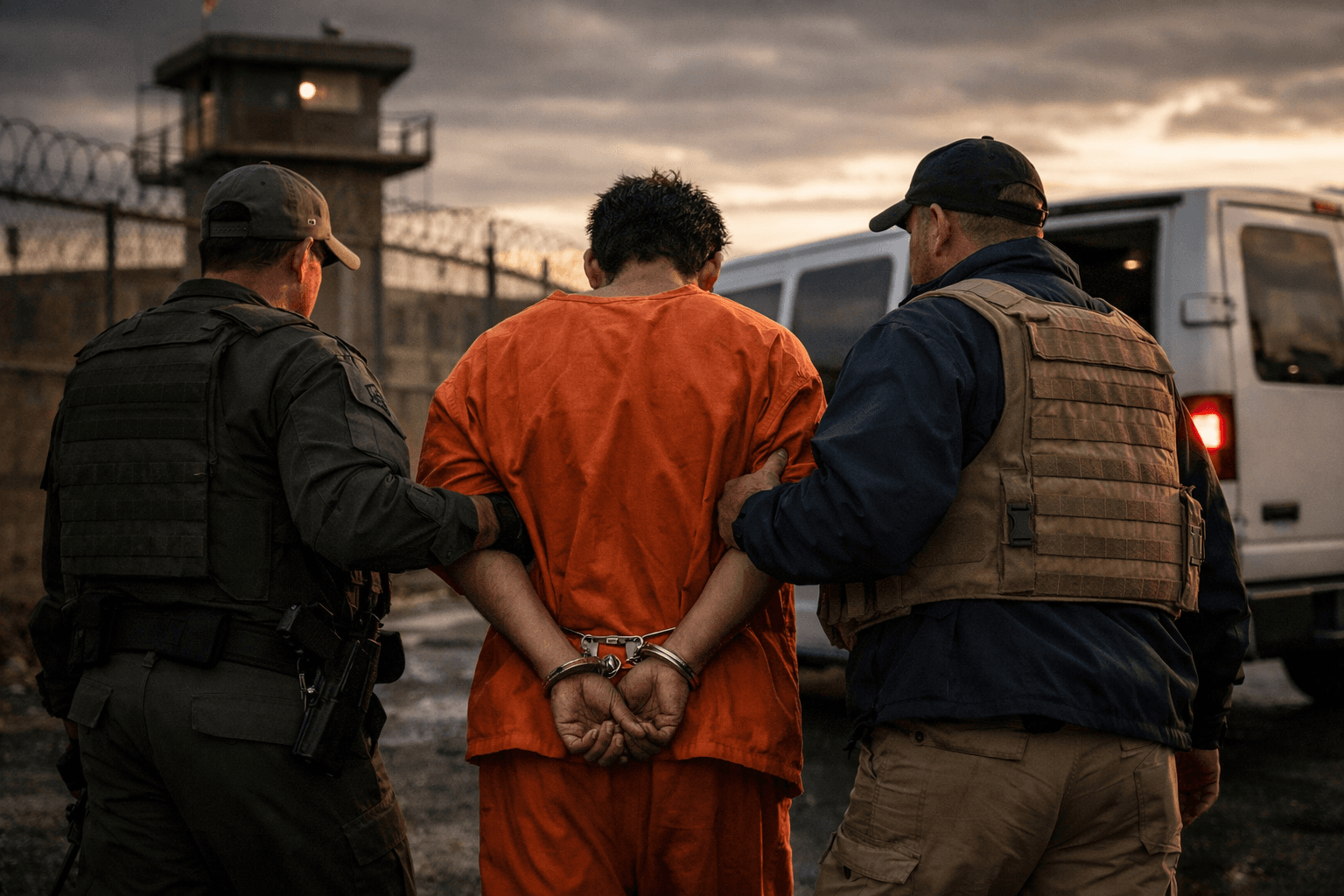
A federal judge sentenced 33 year old Victor Badonie to 57 months in federal prison on December 17 for an assault that left his girlfriend with life threatening injuries. Badonie, an enrolled member of the Navajo Nation, pleaded guilty to assault resulting in serious bodily injury and assault by strangulation. The sentence also includes three years of supervised release and an order to pay almost $28,000 in criminal restitution attributed to the victim's medical bills.
According to court documents, the assault occurred in the early morning hours of March 6, 2024. Investigators say Badonie punched the woman in the face multiple times, pinned her down by pressing his forearm against her neck, ripped her hair out, and broke her phone as she tried to call for help. The victim drove herself to a Zuni area hospital and was later airlifted to the University of New Mexico Hospital in Albuquerque for treatment of brain bleeding.
The Gallup Resident Agency of the Federal Bureau of Investigation's Albuquerque Field Office led the investigation with assistance from the Zuni Pueblo Police Department. The case was prosecuted in federal court by Assistant United States Attorney Zachary C. Jones.
The prosecution and sentence carry direct implications for public safety and for how violent crimes involving tribal members and incidents on or near tribal lands are handled. Federal involvement in this case demonstrates a role for federal authorities when assaults result in serious bodily injury and when interagency cooperation is necessary to investigate and prosecute complex cases. For McKinley County residents, the outcome underlines that convictions can include prison time, court ordered restitution, and long term supervision after release.
The case also exposes persistent community needs. Victims of severe domestic violence face urgent medical needs and long term recovery, and the nearly $28,000 restitution figure reflects the cost burden that such injuries impose. Local law enforcement, tribal police, health providers, and community organizations will need to maintain and strengthen coordination on response protocols, victim advocacy, and public information to ensure survivors receive prompt medical care and legal support.
The sentence concludes the federal prosecution phase of this incident, while raising broader questions about prevention, resources, and the sustained interagency work required to address domestic violence across McKinley County.
This article was produced by Prism’s automated news system from verified source data, official records, and press releases, then run through automated quality and moderation checks before publishing. The system is built and supervised by the people who set the standards it runs under. Read our full AI policy.
Did this article answer your question?