Gallup Man Sentenced to Federal Prison for Strangling Partner
A Gallup man received a 57 month federal prison sentence on December 17, 2025 after pleading guilty to assault resulting in serious bodily injury and assault by strangulation. The case underscores federal, local and tribal law enforcement cooperation and raises questions about safety and survivor support in McKinley County.
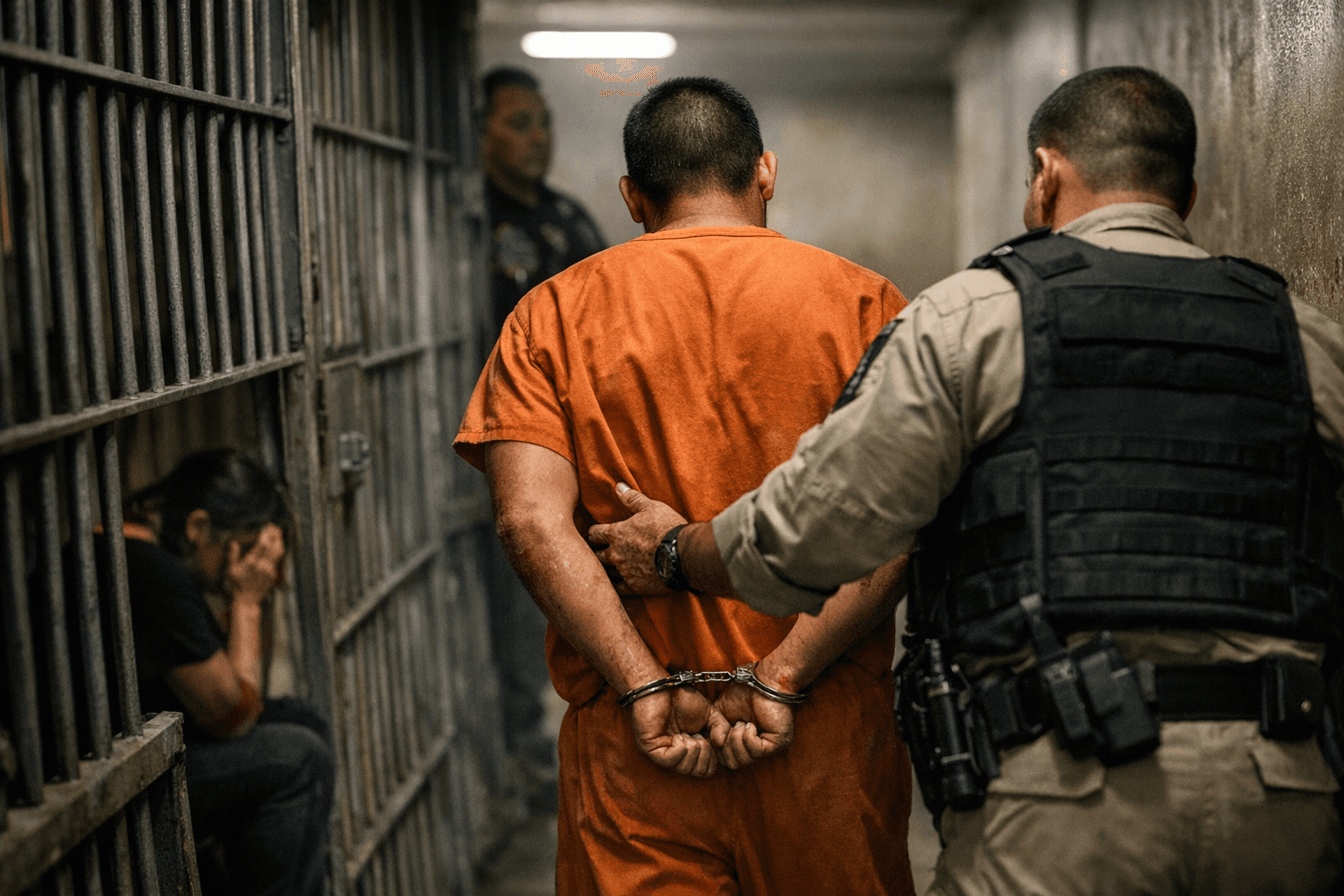
A federal judge sentenced 33 year old Victor Badonie on December 17, 2025 to 57 months in prison for violently attacking his dating partner in March 2024, leaving her with life threatening injuries. Badonie pleaded guilty to felony counts of assault resulting in serious bodily injury and assault by strangulation. There is no parole in the federal system. Upon release he will serve three years of supervised release and must pay criminal restitution of twenty seven thousand eight hundred one dollars to cover the victim's medical bills.
Court records describe a brutal early morning assault on March 6, 2024 in which Badonie, an enrolled member of the Navajo Nation, punched the victim multiple times in the face, pinned her with his forearm against her neck to choke her, ripped out her hair and broke her phone as she attempted to call for help. The victim drove herself to a Zuni area hospital and was later airlifted to the University of New Mexico Hospital in Albuquerque after doctors found bleeding in her brain.
Federal and local authorities worked together on the investigation. The Gallup Resident Agency of the FBI's Albuquerque Field Office investigated the case with assistance from the Zuni Pueblo Police Department. The prosecution was handled by Assistant United States Attorney Zachary C. Jones, and the announcement was made by U.S. Attorney Ryan Ellison and Justin A. Garris, Special Agent in Charge of the FBI's Albuquerque Field Office.
For McKinley County residents the case is a reminder that serious domestic violence incidents can trigger federal charges, particularly when injuries are severe and local agencies coordinate with federal partners. The restitution order highlights the financial burden victims face when medical care is required beyond local capacity. The involvement of tribal, local and federal authorities also illustrates the complex jurisdictional landscape that surrounds violent crimes in communities where tribal sovereignty and federal law intersect.
Community leaders and service providers may view the sentence as a measure of accountability, while advocates for survivors will likely press for continued investment in prevention, emergency response and victim services across Gallup and neighboring tribal communities.
This article was produced by Prism’s automated news system from verified source data, official records, and press releases, then run through automated quality and moderation checks before publishing. The system is built and supervised by the people who set the standards it runs under. Read our full AI policy.
Did this article answer your question?