Navajo Nation approves $120 million for roads, bridges, transportation projects
The Navajo Nation approved $120 million for roads and bridges, a move that could shape the long drives between Gallup, Zuni and outlying chapters for years.
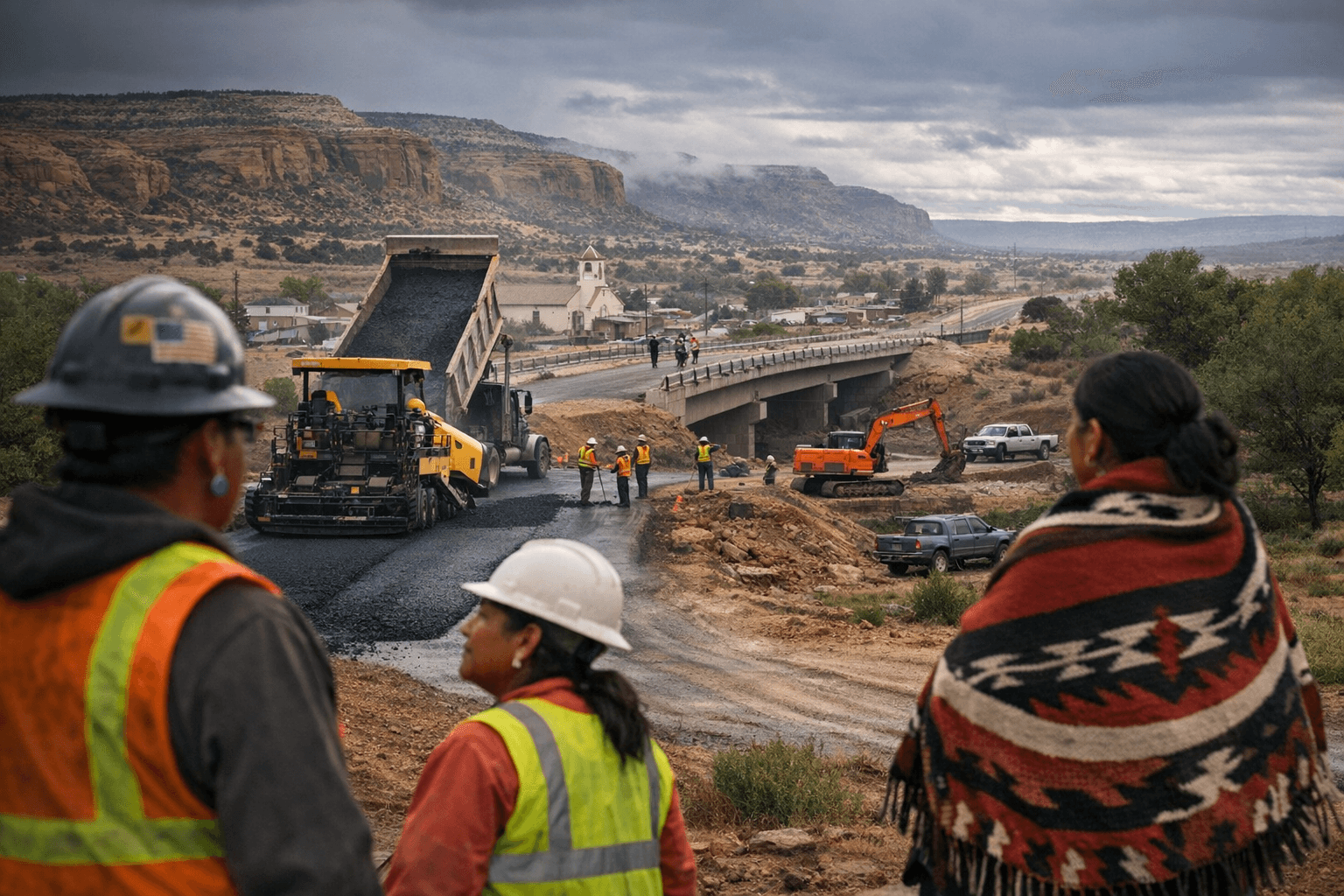
The longest drives in McKinley County are often the ones that decide whether a family gets to school, a clinic or a freight delivery on time, and the Navajo Nation has now put $120 million behind that problem.
The 25th Navajo Nation Council approved Legislation No. 0012-26 on April 22, 2026, directing Síhasin Fund money to transportation infrastructure across the Nation. The plan is meant to repair, rehabilitate and improve roads, bridges and related transportation systems, with the stated goal of making travel safer and more reliable for Navajo communities.
For McKinley County, that matters far beyond Window Rock politics. Residents in Gallup, Zuni and the surrounding chapter communities depend on rural roads and dirt connectors for school buses, emergency runs, work commutes and the trips into Gallup for hospital care, groceries and government services. Better pavement and safer bridges can cut the time lost to detours, rough surfaces and vehicle damage that pile up on long rural routes.
Council Delegate Arbin Mitchell sponsored the legislation, with Council Delegate Casey Allen Johnson backing it as a rural-community investment. Earlier committee materials and the proposed agenda described the measure as an $84 million transportation package, but the final Council approval raised the total to $120 million from the Síhasin Fund.
Official committee materials said the Transportation Improvement Project includes 64 projects and sets aside $3.5 million for each delegate region. Those materials also said the work would cover planning and design, road-construction shortfalls and equipment acquisition. Project selection was described as data-driven, using traffic volume, housing density and proximity to essential services.
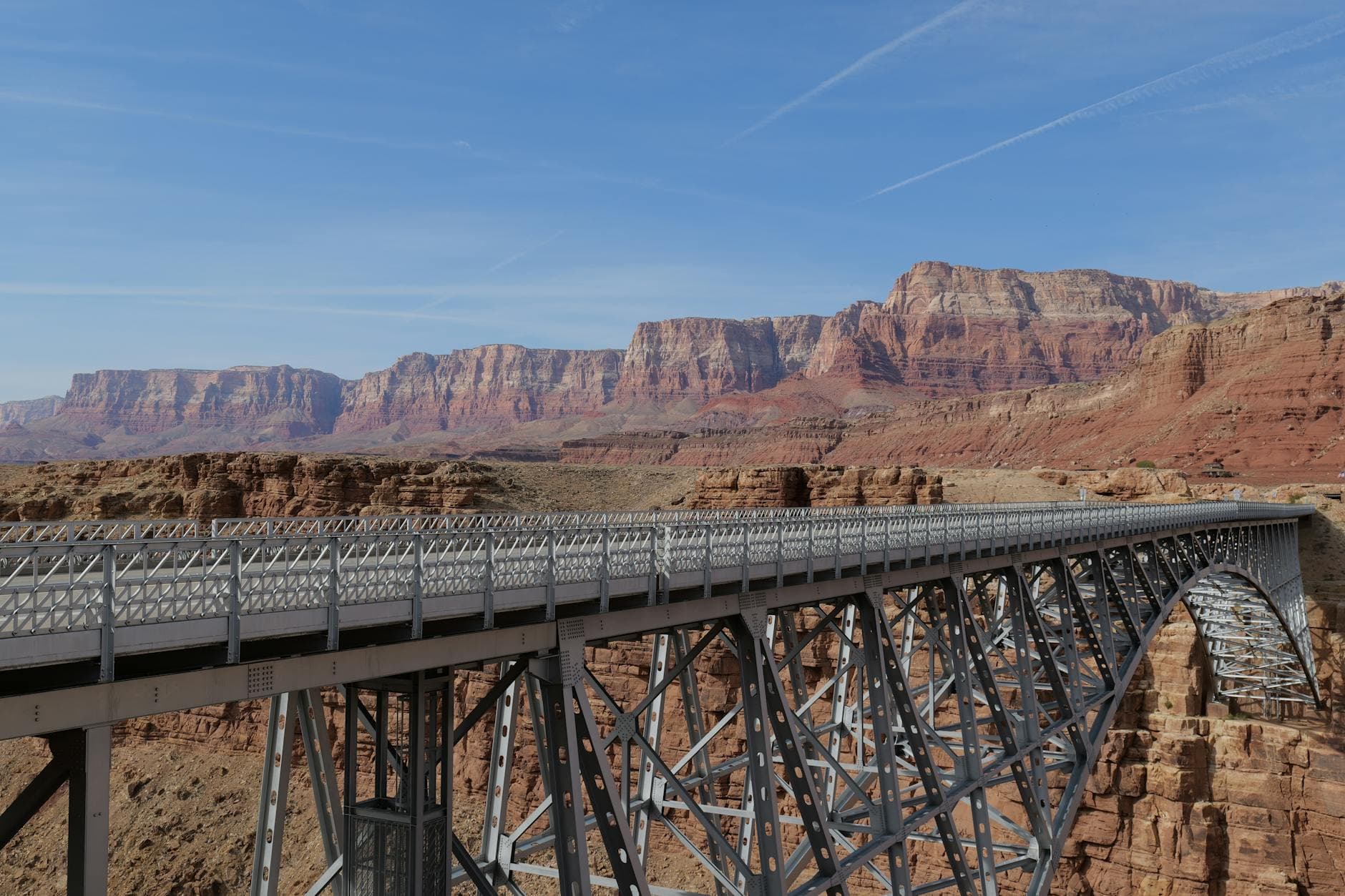
That selection method could prove important in McKinley County, where the worst bottlenecks are often the roads that serve the most isolated families. If the plan is carried out as designed, residents could eventually see safer bridges, improved pavement and stronger links between chapters and Gallup, the county’s main service hub. That could also help shorten response times for ambulances and fire crews that travel long distances on roads that are often worn down by weather and heavy use.
The transportation vote also came as Navajo Nation President Buu Nygren pressed for more federal support. In April 2026, Nygren said many Navajo Nation roads still need repair, upgrades or basic infrastructure, and he traveled to Washington, D.C., on April 1 to push for stronger federal help and faster processes.
The Council’s action signals that road conditions remain one of the Nation’s most urgent daily governance issues. In McKinley County, the payoff will be measured not in legislative language, but in whether the next trip to Gallup is faster, safer and less costly for the people who make it every day.
This article was produced by Prism’s automated news system from verified source data, official records, and press releases, then run through automated quality and moderation checks before publishing. The system is built and supervised by the people who set the standards it runs under. Read our full AI policy.
Did this article answer your question?