Navajo Nation vows to defend voting rights after Supreme Court ruling
The Supreme Court’s 6-3 ruling in Louisiana v. Callais could make it harder for Navajo voters in McKinley County to challenge maps that weaken Native voting strength.
For Diné voters in Gallup, McKinley County and other off-reservation communities, the Supreme Court’s 6-3 ruling in Louisiana v. Callais raised an immediate concern: it may become harder to challenge district maps that dilute Native voting strength, just as many Navajo citizens already face long drives, limited polling places and transportation barriers when they try to vote.
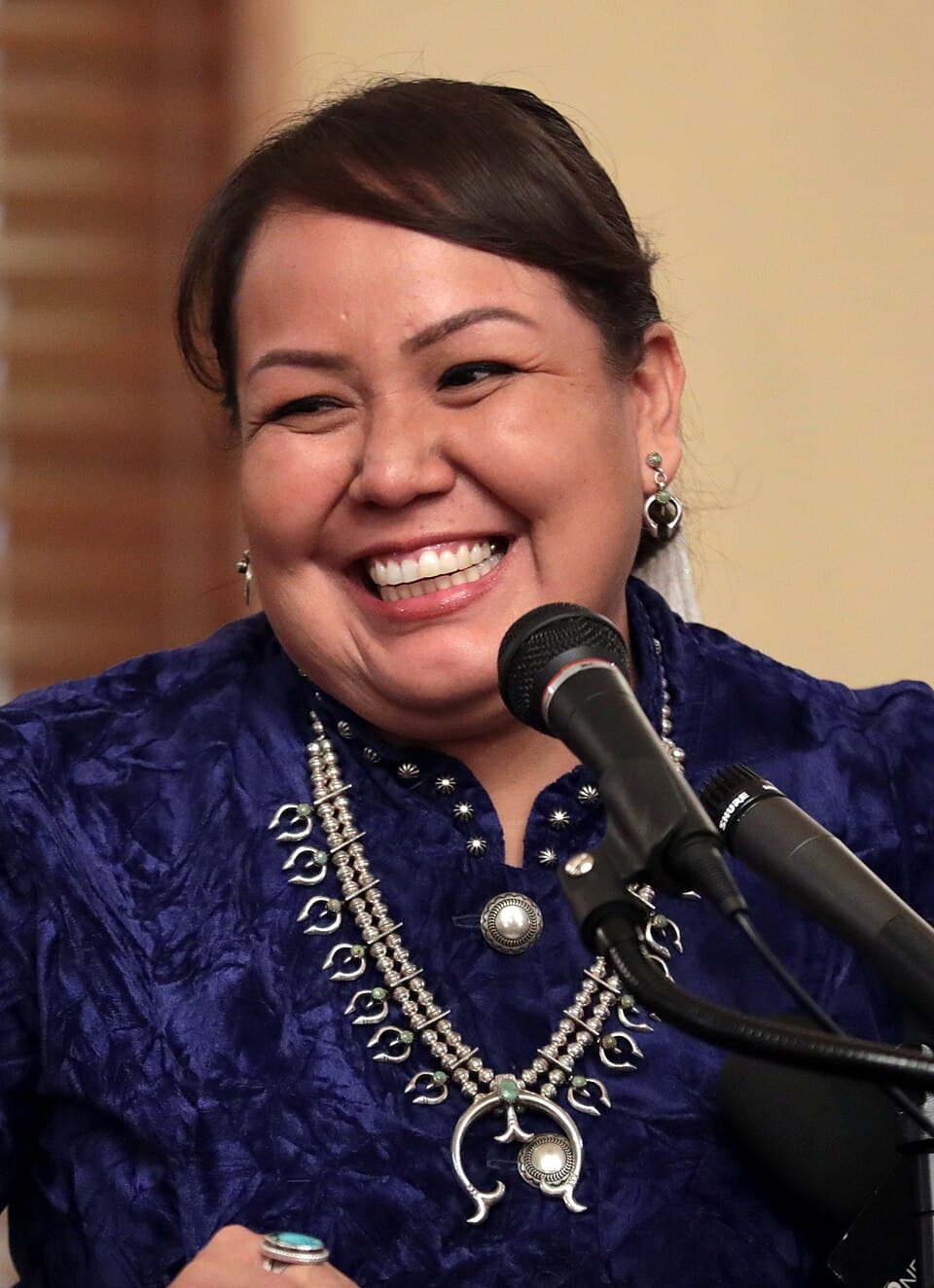
The Navajo Nation said it will keep fighting to protect those voters. Speaker Crystalyne Curley said on April 30 that the Nation would continue defending the voting rights of Diné citizens after the court’s decision, which struck down Louisiana’s congressional map and narrowed the legal framework that Native communities have long used to argue against vote dilution under Section 2 of the Voting Rights Act.
That matters in northwest New Mexico because voting access is not the same for every Navajo citizen. Many Diné people live in Gallup, in McKinley County and in other off-reservation communities where distance to a polling place, lack of transportation, language access and the availability of local election sites can shape whether a voter can cast a ballot without extra hardship. For elders and rural residents, those obstacles can be especially steep.
The ruling does not end the debate over representation, but it does put new pressure on tribal governments, voting-rights advocates and Navajo leaders to respond when election maps or access rules threaten fair participation. If federal protections are harder to use in court, the practical question for communities in and around Gallup becomes whether Native voters will still have enough legal tools to protect their influence in tribal, state and federal elections.
Curley’s warning points to a broader fight over who gets heard when districts are drawn and ballots are counted. For McKinley County residents, the stakes are not abstract. They go to whether Navajo voters can keep showing up, be heard equally and defend representation in places where turnout, geography and district design already shape the outcome long before Election Day.
This article was produced by Prism’s automated news system from verified source data, official records, and press releases, then run through automated quality and moderation checks before publishing. The system is built and supervised by the people who set the standards it runs under. Read our full AI policy.
Did this article answer your question?