Pueblo Dance Group Brings Cultural Visibility to McKinley County
At the Indian Pueblo Cultural Center on December 28 the Pueblo Dance Group performed traditional dances with participants from Laguna, Acoma, Hopi and Zuni, offering blessings to those present and to ancestors. The event highlighted youth participation from Zuni and other pueblos, reinforcing cultural continuity for McKinley County communities and raising questions about regional support for Indigenous cultural programming, tourism, and civic recognition.

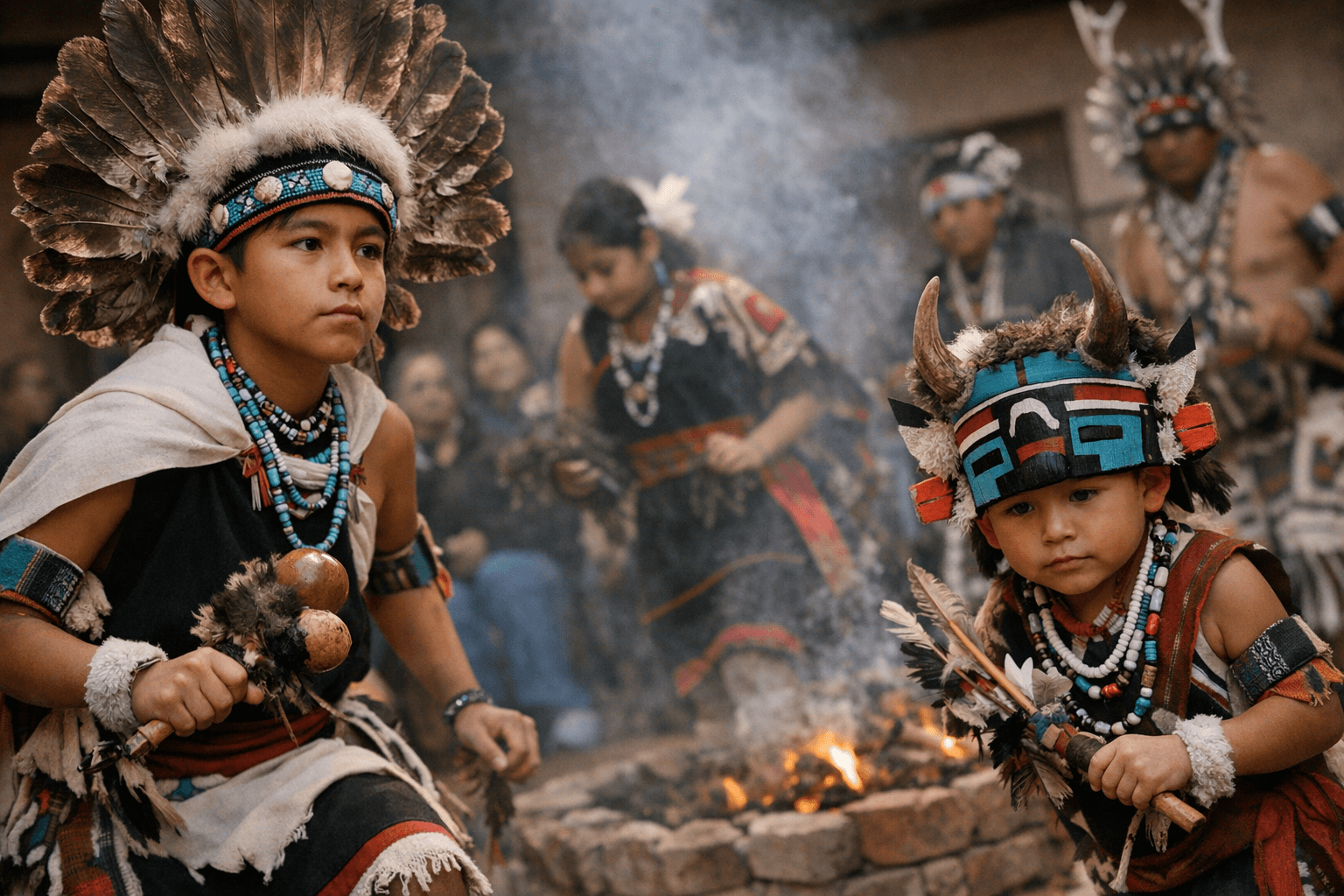
The Pueblo Dance Group filled the sunlit courtyard of the Indian Pueblo Cultural Center in Albuquerque on December 28, presenting two traditional dances that organizers said "connect us to our ancestors, community, and traditions while honoring gifts from our Creator." Adorned in feathers and draped in hides, dancers from Laguna, Acoma, Hopi and Zuni moved through ceremonial steps and offered blessings for those gathered and for the spirits of loved ones who have died.
Young dancers from multiple pueblos, including visible participation by youth from Zuni, drew attention to the role these performances play in cultural transmission. For McKinley County communities such as Zuni Pueblo the event served not only as a spiritual and cultural occasion, but also as a form of public visibility that can influence how tribal interests are heard in regional policy conversations.
The Indian Pueblo Cultural Center hosts regular events that connect urban audiences with Pueblo traditions. The center states on its website that it is the only venue in North America to hold Native American dances every week throughout the year. That continuity creates a reliable platform for artists and youth, and it establishes a predictable attraction for cultural tourism that benefits Pueblo communities indirectly through visitor spending, outreach, and education.
Policy implications for county and municipal leaders include transportation access, cultural education funding, and collaboration with tribal governments on tourism promotion. For families in McKinley County, reliable transportation to Albuquerque can determine who can participate in or attend such events. For county officials, supporting cultural preservation through grants, school partnerships, and infrastructure planning can strengthen civic engagement among Indigenous voters and bring tribal priorities into the broader public agenda.
Institutionally, the event underscores the importance of stable venues and regular programming for sustaining Indigenous cultural life in the region. It also suggests opportunities for McKinley County to coordinate with Pueblo governments and cultural institutions to amplify economic and civic benefits while respecting tribal sovereignty and ceremonial protocols. The presence of young dancers signals a renewed generation of cultural carriers, a foundation for long term civic participation and cultural resilience across the county.
This article was produced by Prism’s automated news system from verified source data, official records, and press releases, then run through automated quality and moderation checks before publishing. The system is built and supervised by the people who set the standards it runs under. Read our full AI policy.
Did this article answer your question?


