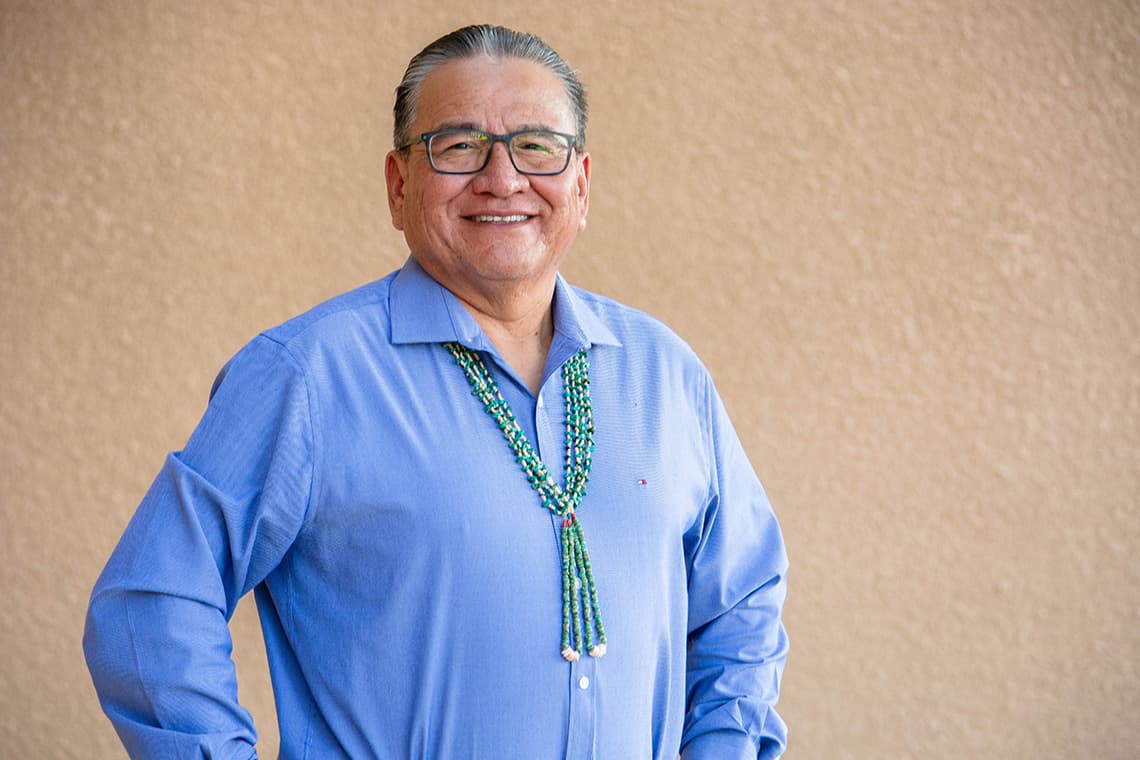
Rep. Vasquez Visits Ramah Navajo School, Pushes Tribal Teacher Retirement Benefits
Teachers at Ramah Navajo Chapter School in Pine Hill earn no federal pension, while BIE teachers do. Rep. Vasquez visited last week to push a bipartisan bill to close that gap.
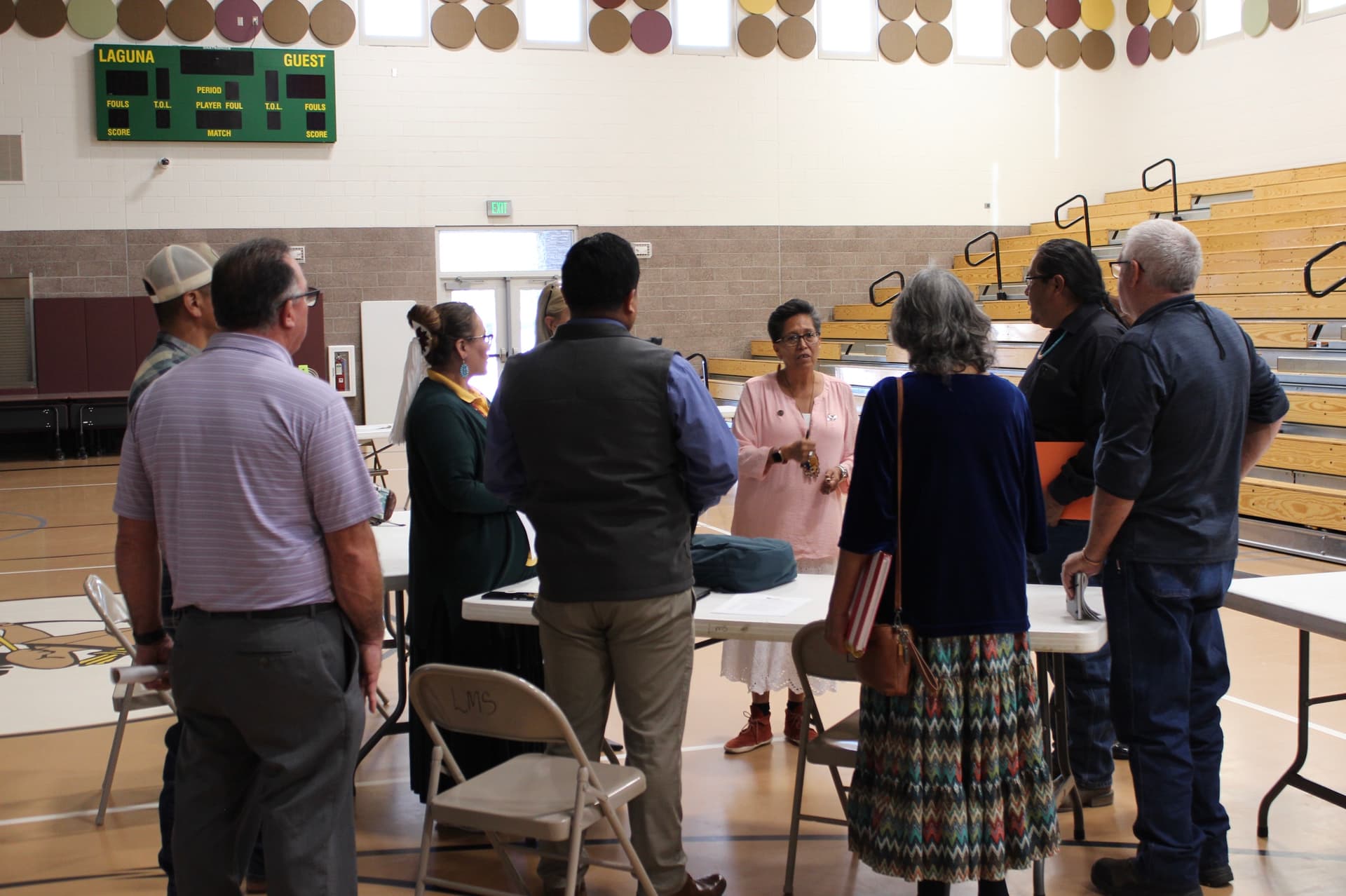
Martha Garcia, president of the Ramah Navajo School Board, helped put a federal bill in motion by explaining a recruitment problem Pine Hill knows well: teachers choosing between a tribally-controlled school and a Bureau of Indian Education school can access federal retirement benefits at one and not the other. At Ramah Navajo Chapter School in McKinley County, it's always been the other.
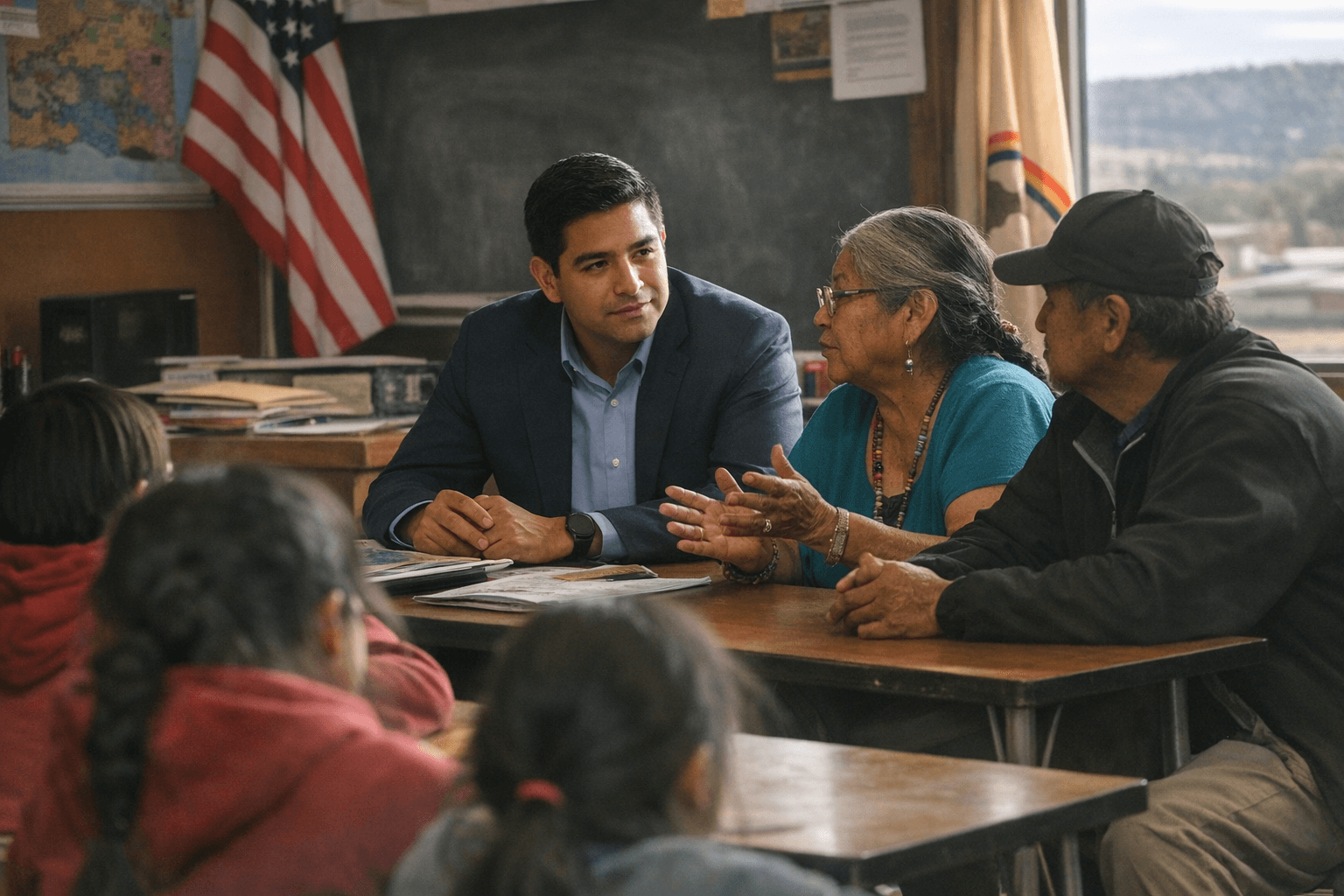
Rep. Gabe Vasquez (NM-02) visited the Ramah Navajo Chapter School in Pine Hill last week, meeting with school leaders, educators, students, and chapter officials as part of a three-day trip through six tribal communities across New Mexico's 2nd Congressional District. The visit centered on his Parity for Tribal Educators Act, H.R. 7781, the bipartisan legislation he reintroduced on March 4 that would extend Federal Employees Retirement System pension eligibility and Thrift Savings Plan access to teachers and staff at all tribally-controlled schools.
"One of the things that they brought up that would help them with the recruitment process for educators in those very remote areas is being able to offer the same benefits and, in particular, retirement benefits," Vasquez said.
Teachers at BIE-operated schools already receive those benefits. The gap matters well beyond retirement accounts: schools unable to fill positions with certified teachers lean on long-term substitutes, leaving class coverage, special education services, and daily student supervision dependent on stopgap staffing. New Mexico has ten tribally-controlled schools facing this disparity.
The Parity for Tribal Educators Act is co-led by Republican Rep. Dusty Johnson of South Dakota and is endorsed by the National Indian Education Association, the National Congress of American Indians, the Mescalero Apache Tribe, and the Ramah Navajo School Board. The bill recently cleared a procedural hurdle: language directing the Bureau of Indian Affairs to study implementation was folded into the annual government funding bill, a prerequisite toward full enactment.
Vasquez also announced $1.09 million in FY2026 Community Project funding he secured for the Ramah Navajo School Board, which will go toward updating the community's drinking water system, replacing aging iron ductile pipes that have caused breaks and water contamination risks. The school board, founded in 1970 as the first tribally-controlled school board in the country, serves approximately 2,463 Ramah Navajo Chapter members in McKinley County.
This article was produced by Prism’s automated news system from verified source data, official records, and press releases, then run through automated quality and moderation checks before publishing. The system is built and supervised by the people who set the standards it runs under. Read our full AI policy.
Did this article answer your question?