Tribes sue Kalshi over sports betting on tribal lands in New Mexico
Four New Mexico tribal governments sued Kalshi, saying its sports markets siphon gaming revenue that pays for schools and services on tribal land.

The fight over Kalshi’s sports markets landed squarely in New Mexico’s tribal economy, where gaming money helps pay for schools, jobs and essential public services in communities from Isleta to the pueblos near McKinley County and Zuni Pueblo.
The Mescalero Apache Tribe and the pueblos of Isleta, Pojoaque and Sandia filed a federal lawsuit in Albuquerque on May 12, accusing Kalshi Inc. of operating illegal sports betting on tribal lands. The tribes say the company’s sports-event contracts are gambling in everything but name, and that Kalshi has made them available to users 18 and older in New Mexico even though tribal gaming compacts generally require gamblers to be 21.
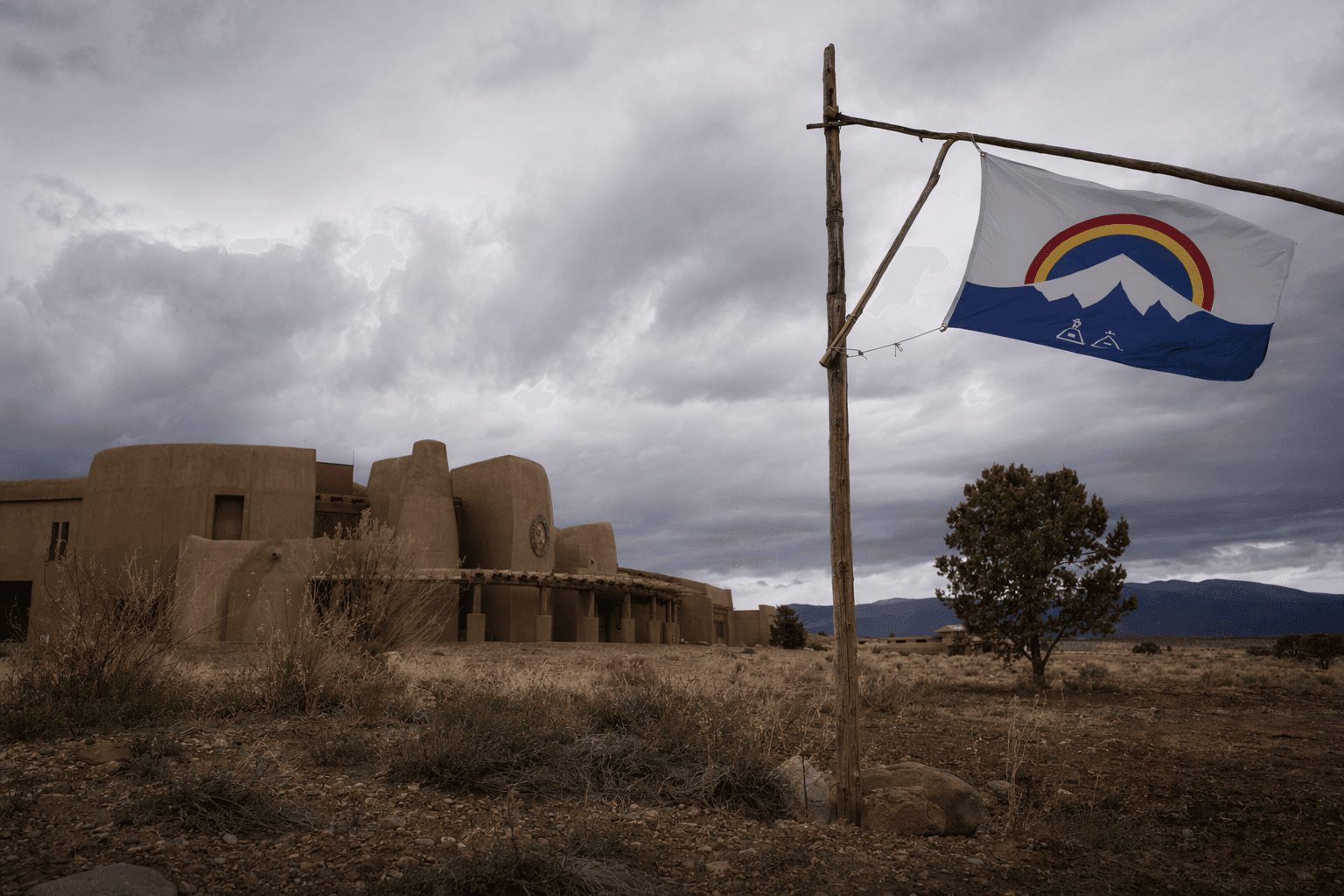
At the center of the case is who gets to regulate gambling tied to Indian lands. The tribes say the Indian Gaming Regulatory Act gives tribal governments that authority on their own lands, and they argue Kalshi should have used geofencing or similar location controls to keep its markets out of tribal territory. Instead, the complaint says, the platform’s reach has put tribal revenue at risk.
That revenue matters far beyond the casinos themselves. The tribes say gaming dollars support schools and other government services inside tribal communities, which is why they are asking the court for an injunction to shut down Kalshi’s sports-based markets on tribal lands, along with civil penalties and damages. The dispute has immediate implications for New Mexico’s tribal gaming system, which remains one of the state’s most important economic engines.
One report tied to the case said New Mexico’s 14 tribes and pueblos collectively reported more than $266 million in net gaming revenue in the final quarter of 2025. For pueblos and tribes that rely on that money, a loss of even a small slice of market share can ripple through paychecks, public safety, education and other services that communities already struggle to fund.
Kalshi did not immediately comment. The company has argued in other cases that its contracts are futures-style products governed by the Commodity Exchange Act, a position that has placed the New Mexico lawsuit in the middle of a larger national test over whether prediction markets are federally regulated financial products or unlawful gambling.
That broader fight sharpened after a divided U.S. Court of Appeals for the Third Circuit ruling on April 6, 2026, was described as favoring Kalshi’s argument that the Commodity Futures Trading Commission has exclusive jurisdiction over sports-related event contracts. For New Mexico tribes, the outcome could decide not only who controls wagering tied to tribal lands, but how much money stays in the communities that depend on it.
This article was produced by Prism’s automated news system from verified source data, official records, and press releases, then run through automated quality and moderation checks before publishing. The system is built and supervised by the people who set the standards it runs under. Read our full AI policy.
Did this article answer your question?