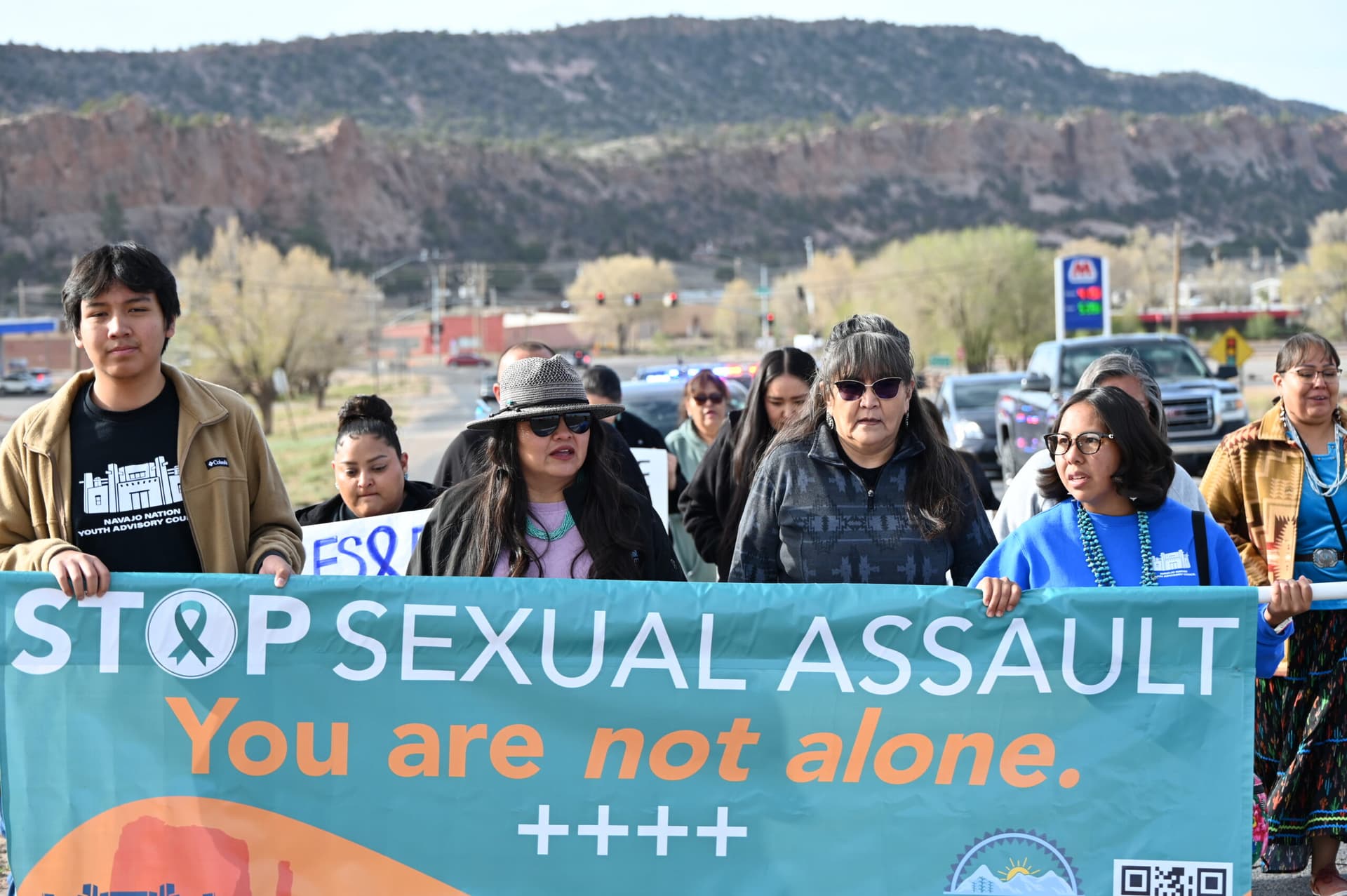
Window Rock symposium targets Diné missing persons crisis with prevention efforts
Window Rock leaders paired the MMDR crisis with concrete tools, including a hotline, family case support and a new response-training push.
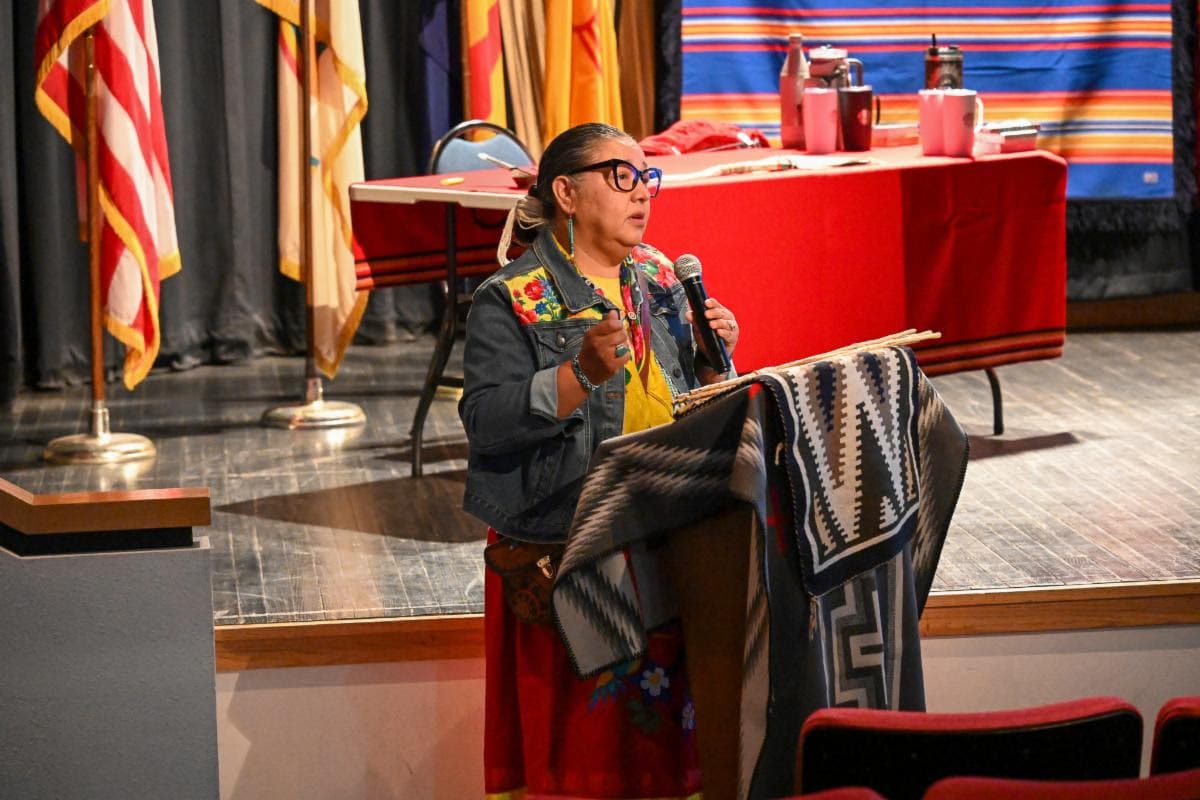
At the Navajo Nation Museum in Window Rock, leaders spent two days on one question: what happens after a Diné relative disappears, and who answers first. The answer they laid out ran from prevention to response, with a missing-person hotline, family case support, trauma training and a push to tighten emergency systems that affect McKinley County families as much as anyone else on the Nation.
The Missing and Murdered Diné Relatives Task Force, working with the Navajo Nation Division of Behavioral and Mental Health Services, hosted the free symposium May 4 and 5. Registration was offered online and onsite, and the first evening included a screening of She Cried That Day, followed by a talking circle at the museum hogan. A candlelight vigil was held the next evening at Ch’ihootso Indian Market.
Amber Kanazbah Crotty, who chairs the task force, opened the symposium with a focus on protecting Navajo youth through education, outreach and stronger community connections. Families of missing and murdered loved ones joined discussions on investigations, interactions with law enforcement and the pursuit of justice and accountability. Presenters came from tribal programs, nonprofit organizations and public-safety departments, and the agenda covered trauma-informed care, youth empowerment, domestic-violence prevention, coordinated emergency response systems, mental-health support, cultural healing practices, victim advocacy and barriers families face when reporting a missing relative.
Those discussions came with a clear operational backdrop. In March, the task force hosted a Child Abduction Tabletop Exercise Level 2 and Tribal Community Response Plan training with Fox Valley Technical College’s AMBER Alert Training and Technical Assistance Program. Participants included Crownpoint Corrections, Tuba City Police Department, Mariano Lake Chapter officials, local school board members, Navajo Technical University and task force members. The training reflected a larger effort to make sure schools, chapters and public-safety agencies know how to move quickly when a child or adult vanishes.

One of the clearest public tools is Operation Rainbow Bridge, which connects callers to the Navajo Nation Missing Persons Unit through 855-435-7672 and also directs people to support on Native American rights, Certificate of Indian Blood help and behavioral-health resources. A January task force update said members were helping families reconnect with case information and victim advocates while also dealing with severe staffing shortages in public safety and work to renew the Navajo Nation Amber Alert system contract.
President Buu Nygren attended the symposium, which built on his 2024 proclamation declaring May as Missing and Murdered Diné Relatives Awareness Month. He signed that proclamation at Ama Doo Alchini Bighan, the 24-hour healing shelter in Chinle, tying the campaign to domestic-violence response and shelter-based care.
Speaker Crystalyne Curley used the second day to press for compassion, urgency, respect, accountability and immediate action. For McKinley County families, the real test will be whether those promises shorten the gap between the first report and a coordinated response when someone goes missing.
This article was produced by Prism’s automated news system from verified source data, official records, and press releases, then run through automated quality and moderation checks before publishing. The system is built and supervised by the people who set the standards it runs under. Read our full AI policy.
Did this article answer your question?