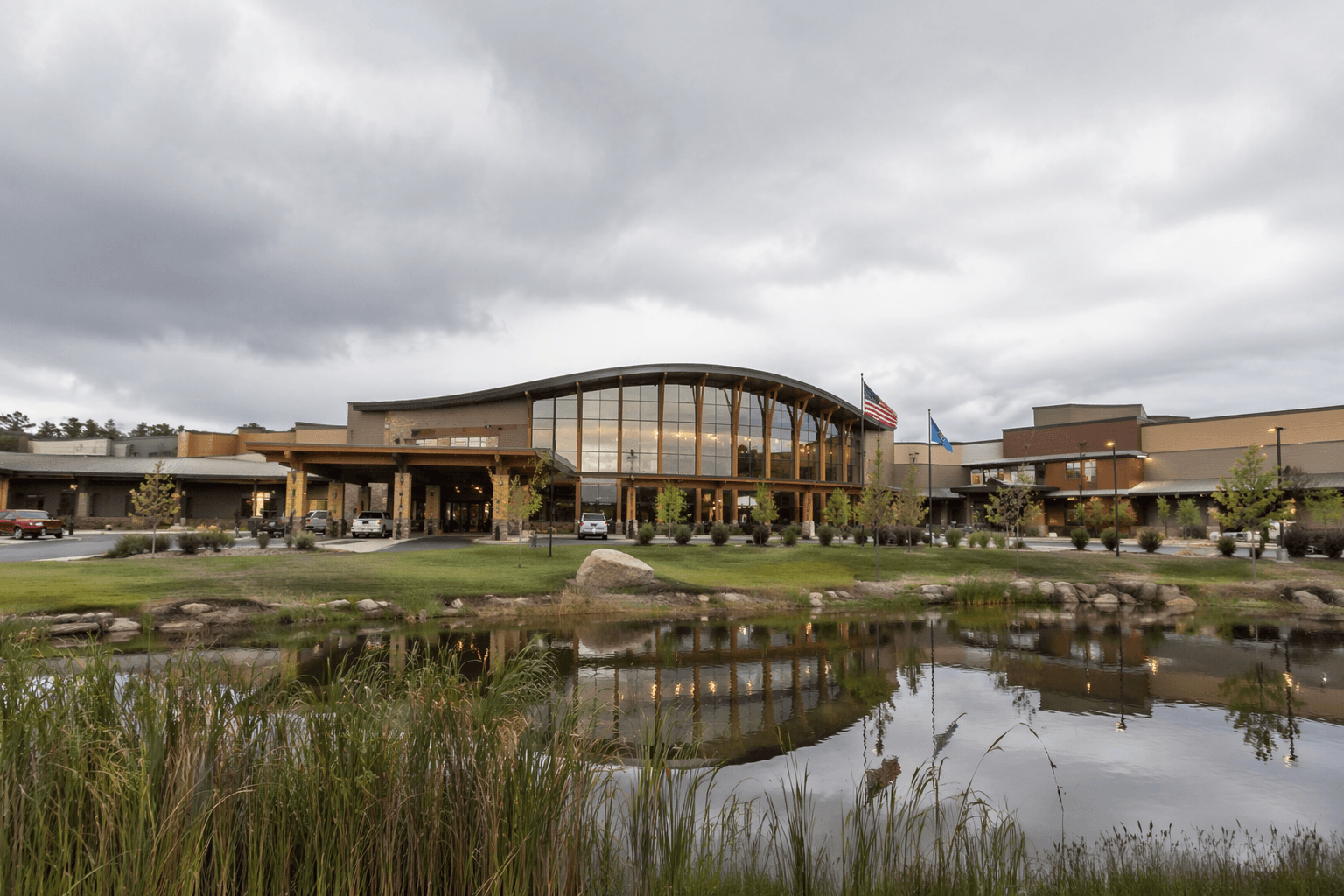
Controlled burn near Keshena highlights Menominee forest stewardship
Neighbors near Keshena saw smoke west of School View as Menominee Tribal Enterprises used fire on purpose to cut wildfire fuel.
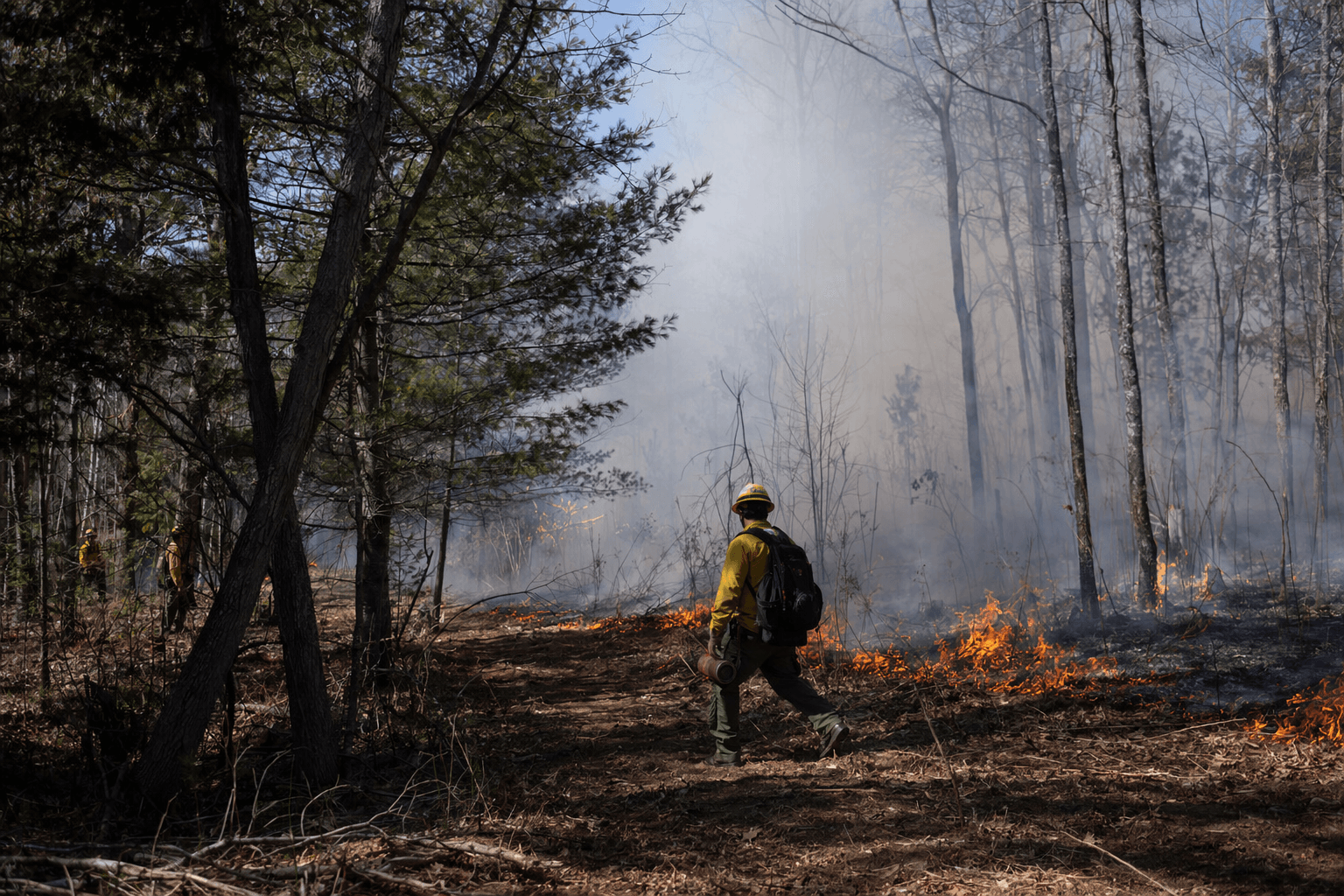
Smoke and planned flames rose west of the School View housing area as Menominee Tribal Enterprises carried out prescribed Wildland Urban Interface burns near Keshena, a deliberate effort to clear dried leaves and other vegetation from the forest floor before wildfire danger climbs. The burn notice said additional prescribed burns were possible in Middle Village if weather and conditions allowed, putting the operation squarely in view of nearby residents watching a controlled fire, not an emergency.
The work matters because the Menominee forest is not a small woodland patch, but a major working landscape that the tribe says has been sustainably managed for more than 150 years. Menominee Tribal Enterprises describes the forest as 217,000 commercial acres with thirteen forest cover types and says it harvests about 75,000 cords of pulpwood and 14 million board feet of saw timber each year. The Menominee Indian Tribe of Wisconsin says the reservation covers 235,000 acres and that more than 2.25 billion board feet have been harvested over time, making fuel reduction, timber health and fire prevention part of the same economic equation.
Curtis Wayka guided the burn as the crew’s burn boss. UW-Stevens Point’s Wisconsin Forestry Center identifies Wayka as Menominee Tribal Enterprises’ Fuels Specialist, a post he has held since 2016, and says he was born and raised on the Menominee Reservation and has 18 years of experience in fuels and fire programs. That background gives the burn a local face and a clear message: the people managing the forest are the same people living with the smoke, the risk and the responsibility.
The timing also lined up with a sharp rise in fire concern across northern Wisconsin. On May 15, the Wisconsin Department of Natural Resources issued a Red Flag Warning for 11 northern counties from noon to 9 p.m., citing warm temperatures, very low humidity, gusty winds and exceptionally dry fuels. The agency said it had responded to nearly 500 wildfires so far in 2026, and 45% were caused by debris burning. In that context, the Menominee burn served as both land management and prevention, showing how a carefully planned fire can reduce future wildfire risk while protecting the long-term health and economic value of the Menominee forest.
Tribal forestry profiles say the Menominee began seeing oak wilt outbreaks in the 1980s, and prescribed burns are one tool used alongside pruning diseased limbs, harvesting at-risk trees and treating invasive species. For Keshena and the surrounding Menominee County communities, the message was immediate: the smoke was intentional, the work was local, and the goal was to keep a large forest standing and productive for the next season, and the next generation.
This article was produced by Prism’s automated news system from verified source data, official records, and press releases, then run through automated quality and moderation checks before publishing. The system is built and supervised by the people who set the standards it runs under. Read our full AI policy.
Did this article answer your question?