Into the Outdoors spotlights Menominee Nation’s sustainable forest stewardship
Menominee children will see their forest stewardship on a national kids’ program, with a free episode airing June 13-14 and online.
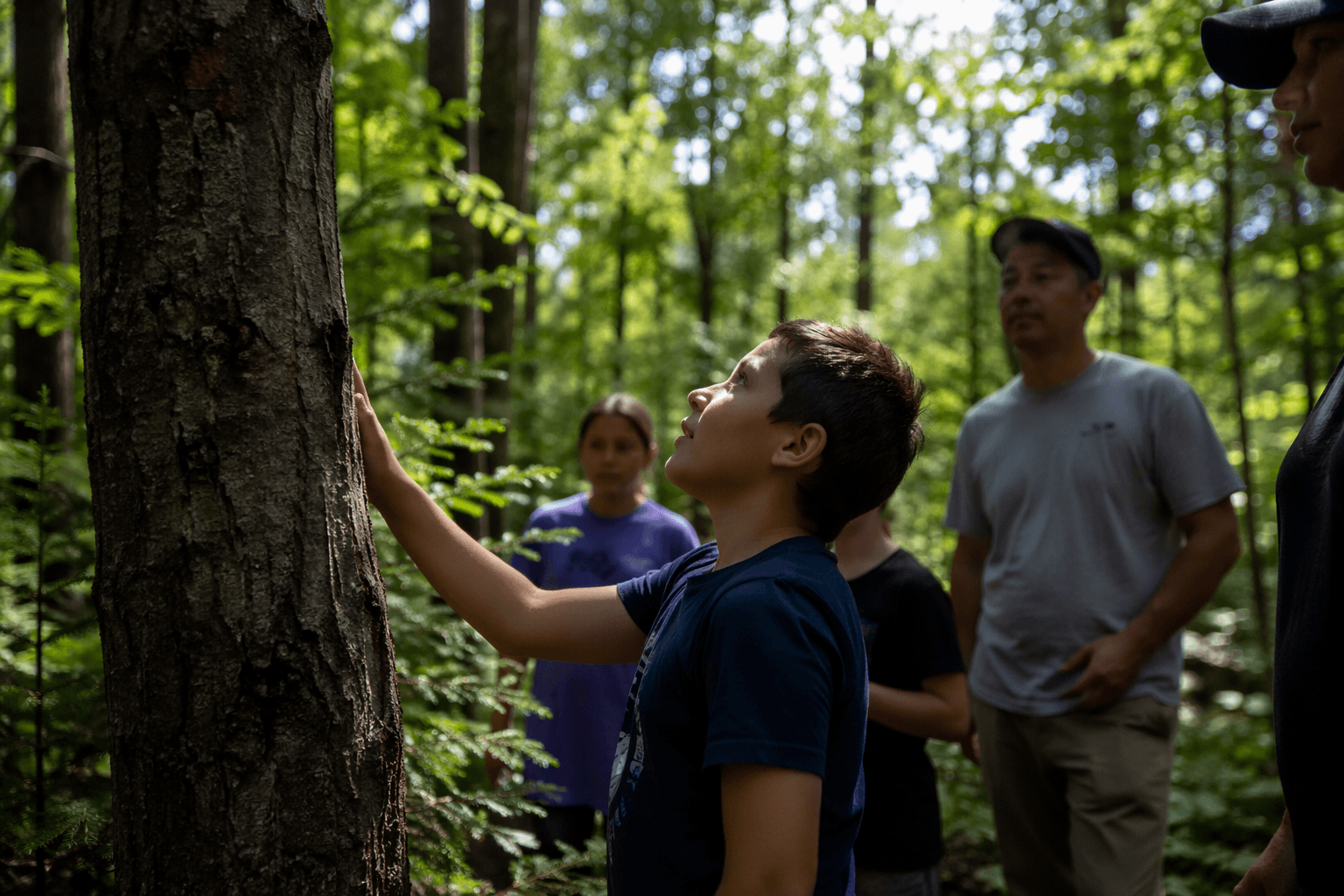
Menominee families will see their own stewardship traditions reflected in a national children’s program when Into the Outdoors presents an episode on the Menominee Nation’s forests, culture and sustainable forestry. The feature, “The Menominee Nation - Stewards of Sustainability,” is set to air June 13 and June 14 on select stations and is also available free online, giving Keshena, Neopit and surrounding communities a new classroom-ready look at a way of life rooted in the land.
The episode takes viewers into the Menominee forest to show how generations of tribal citizens have cared for the woods and continue that work today. Its YouTube description says it goes “into the forests of the first stewards” to explore a story grounded in the tribe’s “long history of sustainability.” The program also aims to teach children about wood varieties, their uses and the benefits of sustainable forestry, all through a local cultural lens rather than a distant environmental lesson.
That local lens matters in Menominee County, where the forest is not scenery on the edge of town but the backbone of community identity. County figures put Menominee County at about 234,355 acres, or 360 square miles, with roughly 223,500 acres of heavily forested land. UW-Extension says the coterminous county and reservation boundary covers about 235,000 acres, with about 233,000 acres in trust status and roughly 217,000 acres in commercially forested lands.
The Menominee Indian Tribe of Wisconsin says its history in what is now Wisconsin dates back 10,000 years, and tribal history places the creation story at the mouth of the Menominee River, about 60 miles east of the present reservation. Menominee Tribal Enterprises says the forest has been sustainably managed by the tribe for more than 150 years, and a U.S. Forest Service paper says that land ethic is distinctive nationally and internationally. The same forest also holds valuable genetic resources, including superior white pine and butternut specimens.

The episode was backed by the Society of American Foresters, #forestproud, the Bureau of Indian Affairs, the Intertribal Timber Council, the U.S. Endowment for Forestry and Communities and the Wisconsin Department of Natural Resources. It arrives against a longer history of land loss and restoration: the Menominee’s historic land base fell from an estimated 10 million acres in the early 1800s to a little more than 235,000 acres, and federal recognition was restored on December 22, 1973 through the Menominee Restoration Act. For local schools, tribal programs and parents, the episode offers a fresh way to connect children to a forest story that is at once cultural, environmental and deeply Menominee.
This article was produced by Prism’s automated news system from verified source data, official records, and press releases, then run through automated quality and moderation checks before publishing. The system is built and supervised by the people who set the standards it runs under. Read our full AI policy.
Did this article answer your question?