Menominee Tribal Education Department offers grants, support for local learners
The Menominee Tribal Education Department in Keshena connects families to school support and a $2,400 yearly higher-education grant. Its services reach youth, adults and college-bound students.
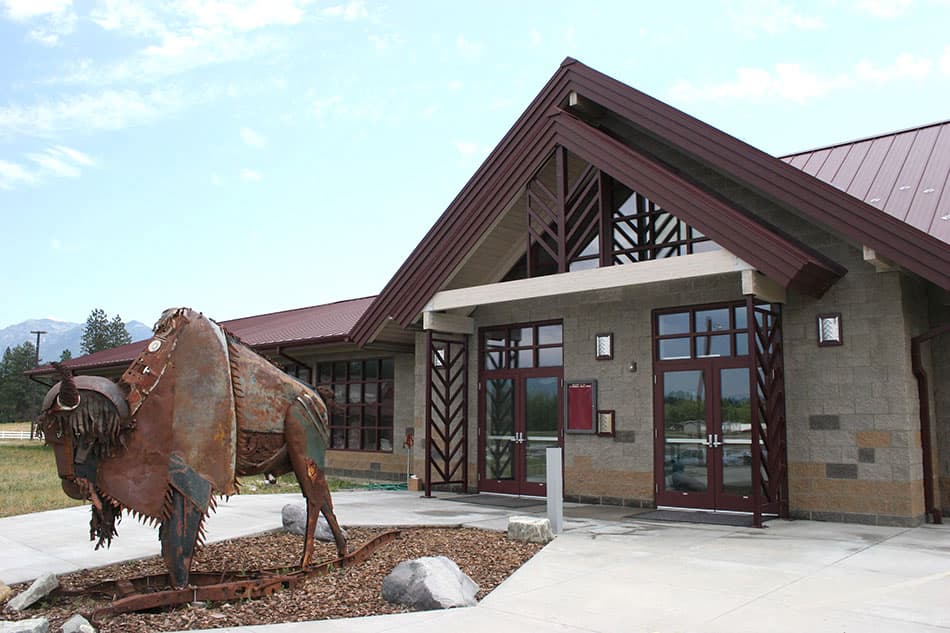
Families in Menominee County who need help with school, college costs or a return to adult education have a local starting point in Keshena. The Menominee Tribal Education Department lists a physical address at N188 Hwy 47/55 in Keshena and a mailing address at PO Box 910, and its stated mission is to “cooperatively provide assistance and support to Menominee and community residents.”
Start with the Keshena office
The department’s office is built to serve the everyday needs of Menominee households, not just students already on a college track. Because it sits in Keshena, it is positioned as a practical contact point for families in Keshena, Neopit and other reservation communities who want one local place to begin asking about school support, grant help or adult learning.
The department page lists a clear lineup of staff roles, which makes it easier to match the right person to the right need. Paula Fernandez serves as Education Director, Tasha Komanekin is the JOM Program Coordinator, Sharon Nacotee Lyons is the JOM Youth Outreach Worker, Julie Schultz is the Adult Education Coordinator and Instructor, and Carey Wayka is the Student Success Coordinator. For broad questions, Fernandez is the obvious first stop; for youth engagement, school follow-up and student support, the JOM and student-success roles point to more specific help.
How higher-education aid works
For students heading to college or technical training, the department lists a Higher Education program with a maximum tribal grant of $2,400 per academic year for a full-time student. That figure matters because it gives families a concrete number to plan around when they are comparing tuition, books, transportation and other costs.
The grant also sits inside a larger aid picture. The College of Menominee Nation says its Keshena main campus is in Keshena, Wisconsin, that academic support is offered at no cost to students, and that 74% of students use Pell Grant funds. The college also says 93% of its graduates leave with no debt, a number that points to how aid, support services and careful budgeting can reduce the need to borrow.
For families looking at postsecondary options close to home, the College of Menominee Nation offers 21 programs and can be reached at 715-799-5600 or toll free at 1-800-567-2344 ext. 3000. That makes the college a direct next step for students who want to stay connected to Menominee country while moving into credentialed work, transfer study or career training.
Support for school-age students
The department’s JOM positions suggest a strong focus on keeping younger students connected to school. In Wisconsin, Tribal Education Departments support members whether they attend public, private, charter or Bureau of Indian Education schools, and that support can apply on or off the reservation. In practice, that means a student does not have to fit one school type to qualify for tribal education attention.
Wisconsin’s Department of Public Instruction says all 11 federally recognized Tribal Nations in Wisconsin maintain a tribal education department. That matters for Menominee families because it places the Keshena office inside a statewide system of tribal education support, one that recognizes the tribe’s role in helping students navigate attendance, engagement and long-term academic progress wherever they are enrolled.
For parents and guardians, the JOM Program Coordinator and JOM Youth Outreach Worker are the names to remember when a child needs school-centered support. Those roles signal help that can follow a student through the school year and across settings, which is especially useful in a county where students may move between local, regional and reservation-based schools.
Adult learners and students who need a reset
Not every education question starts with kindergarten or college admissions. Julie Schultz’s adult education role gives adults a clear place to look when they are returning for a diploma, preparing for a new credential or trying to rebuild academic skills after time away from school. Carey Wayka’s student-success role fills a similar gap for learners who are enrolled but need help staying on track.
That kind of support matters in a local economy where the cost of missing a credential can be immediate. Adult education and student-success services can keep people attached to the classroom, and that can shape access to better jobs, training pathways and higher wages over time. In a county where families often need education to lead directly to employment, a department that can support both young students and adults carries real household value.
Language, culture and the long view
The Menominee education system is also tied to a broader cultural project. The tribe’s vision describes the Omaeqnomenewak, the People of the Wild Rice, as “a strong, healthy and proud nation living in accordance with its culture and beliefs,” and that framing puts education inside a larger community goal rather than a narrow school function.
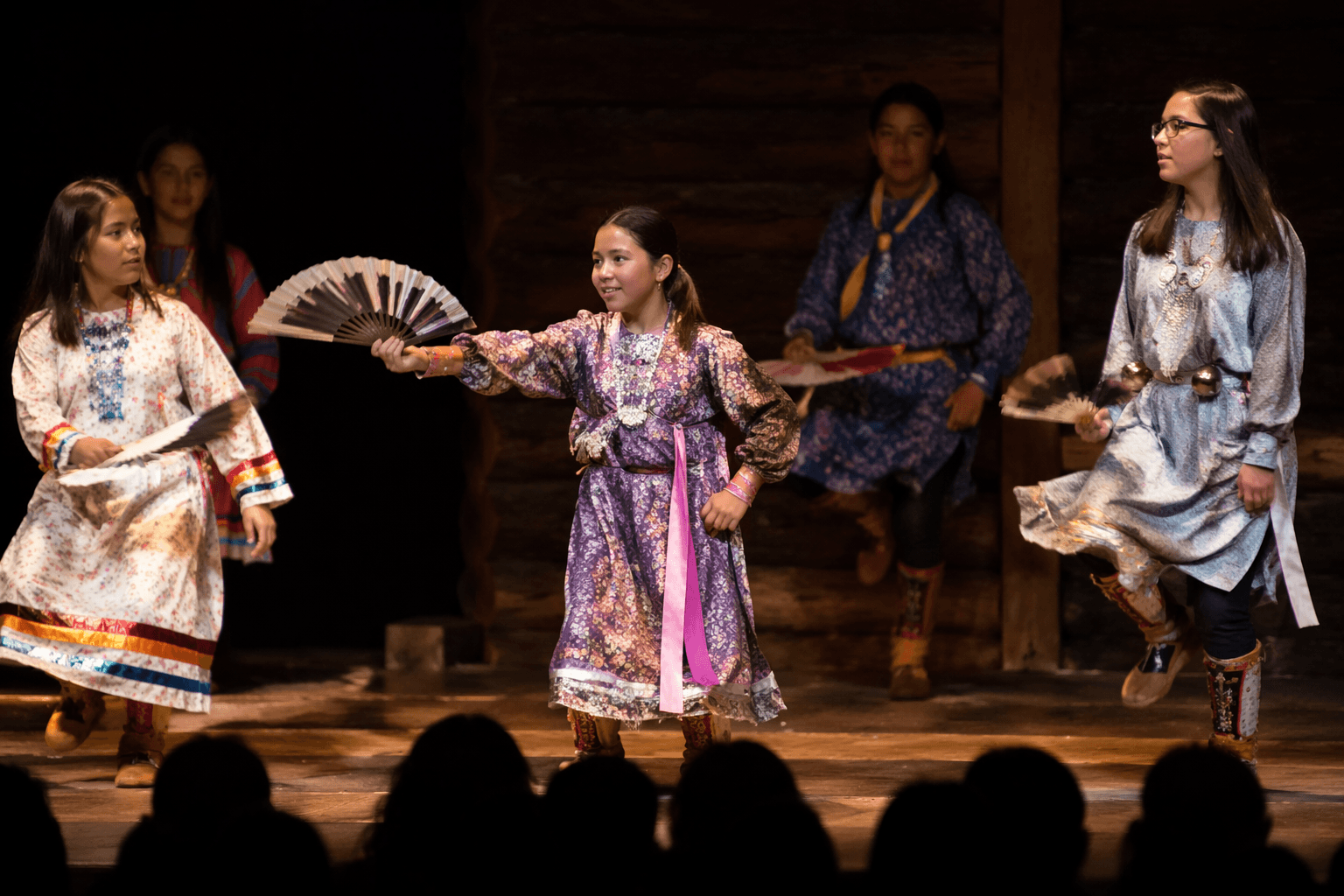
Language is central to that effort. Menominee tribal law identifies Menominee as the official language of the Menominee Nation, and the language may be used in government business. The Menominee Language Center opened in 2024 with a goal of helping “re-normalize” the language and providing a community gathering space, which makes education not only about credits and grants but also about keeping cultural continuity alive.
That is why the education department matters for local families in a way that reaches beyond one office or one program. It links Keshena, Neopit and the rest of the reservation to school support, higher-education aid, adult learning and language-centered community life, all under one tribal system designed to keep Menominee learners moving forward without leaving their identity behind.
This article was produced by Prism’s automated news system from verified source data, official records, and press releases, then run through automated quality and moderation checks before publishing. The system is built and supervised by the people who set the standards it runs under. Read our full AI policy.
Did this article answer your question?