Keshena woman gets 12-year commitment in Green Bay carjacking case
A Keshena woman was committed for 12 years after a Green Bay knife-point carjacking of a Prevea Health shuttle van outside St. Mary’s Hospital.
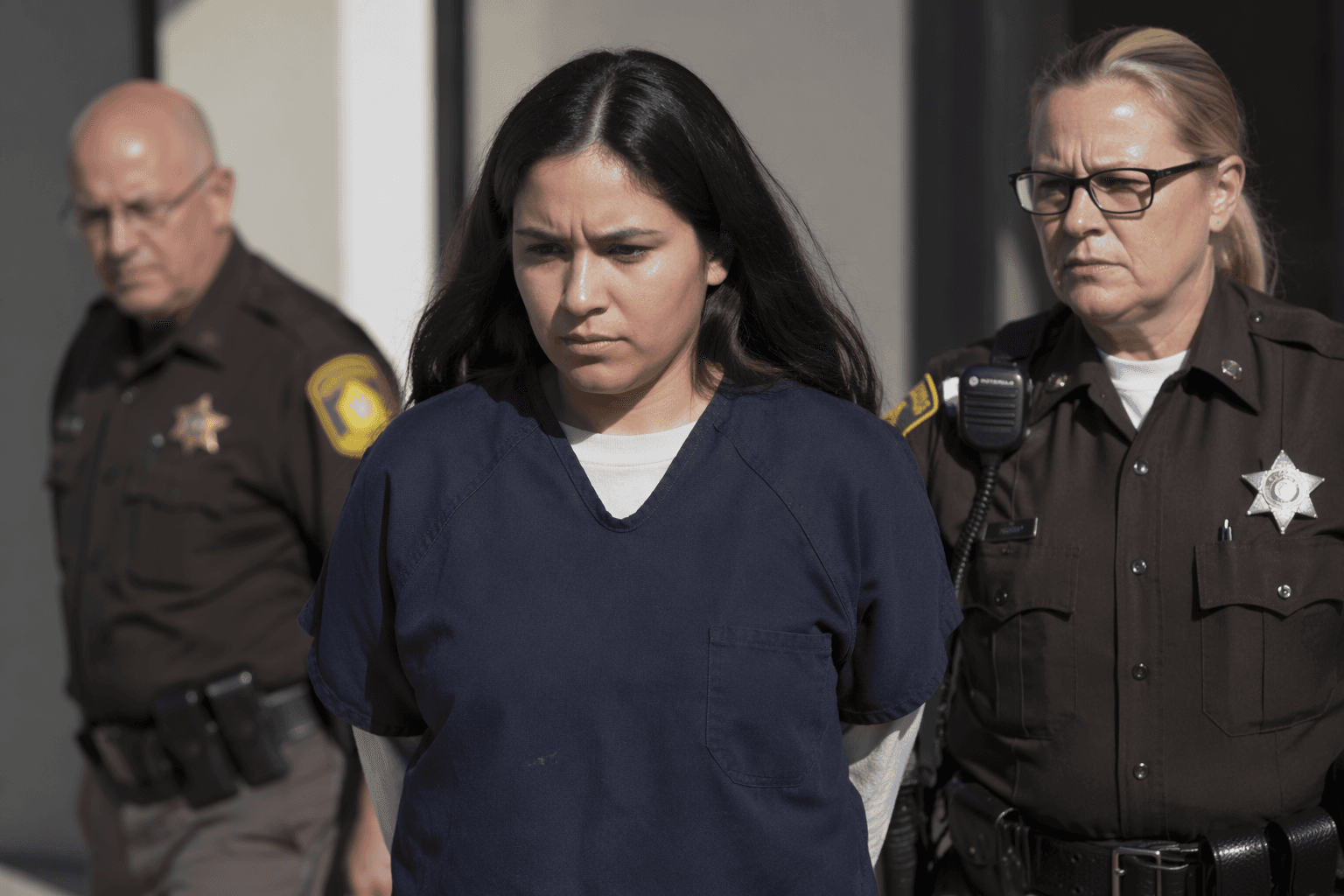
Jerilyn Soto of Keshena was committed to the Department of Health Services for 12 years after a Green Bay carjacking case tied to a Prevea Health shuttle van. The case began on July 8, 2025, outside HSHS St. Mary’s Hospital Medical Center on Shawano Avenue, where police said Soto, then 46, took a 2022 dark gray Chrysler Pacifica at knifepoint from a Prevea Health employee who was on duty.
Green Bay police investigators said Soto was arrested in Chicago the next day, July 9, 2025. In their initial release, investigators said the van had not been recovered and listed the Wisconsin license plate as 35729AFT.

By April 2026, the case had moved into Wisconsin’s mental-health-based criminal process. A local television report said Soto was found not guilty by reason of mental disease or defect, prosecutors agreed to that finding, and an armed robbery count was dismissed as part of the case.
Under Wisconsin Statute 971.17, a person found not guilty by reason of mental disease or defect must be committed to the Department of Health Services. For a felony committed on or after July 30, 2002, the commitment period cannot exceed the maximum prison term that could have been imposed for the same offense.
The Wisconsin Department of Health Services says its Conditional Release Program supervises and supports people with mental illness who have committed crimes and are on conditional release. The agency also describes Wisconsin as a national leader in that kind of supervision, underscoring how the state often handles cases that involve both public safety and behavioral health.
For Menominee County, the case carries local weight because Soto is from Keshena and the outcome reflects how a reservation resident can become part of a statewide system that links criminal court, treatment and supervision. The facts of the case leave a blunt question close to home: whether families, law enforcement and tribal or county providers see this as evidence of a larger gap in crisis response and mental-health intervention before violence breaks out.
This article was produced by Prism’s automated news system from verified source data, official records, and press releases, then run through automated quality and moderation checks before publishing. The system is built and supervised by the people who set the standards it runs under. Read our full AI policy.
Did this article answer your question?