Key Menominee County Resources for Health, Safety, Education and Culture
This article summarizes essential community resources in Menominee County, highlighting services residents can turn to for healthcare, education, public safety, tribal governance, and cultural gatherings. Knowing where to access clinics, the Keshena campus, law enforcement, tribal government services, and community venues matters for everyday needs, emergency planning, and long term community resilience.
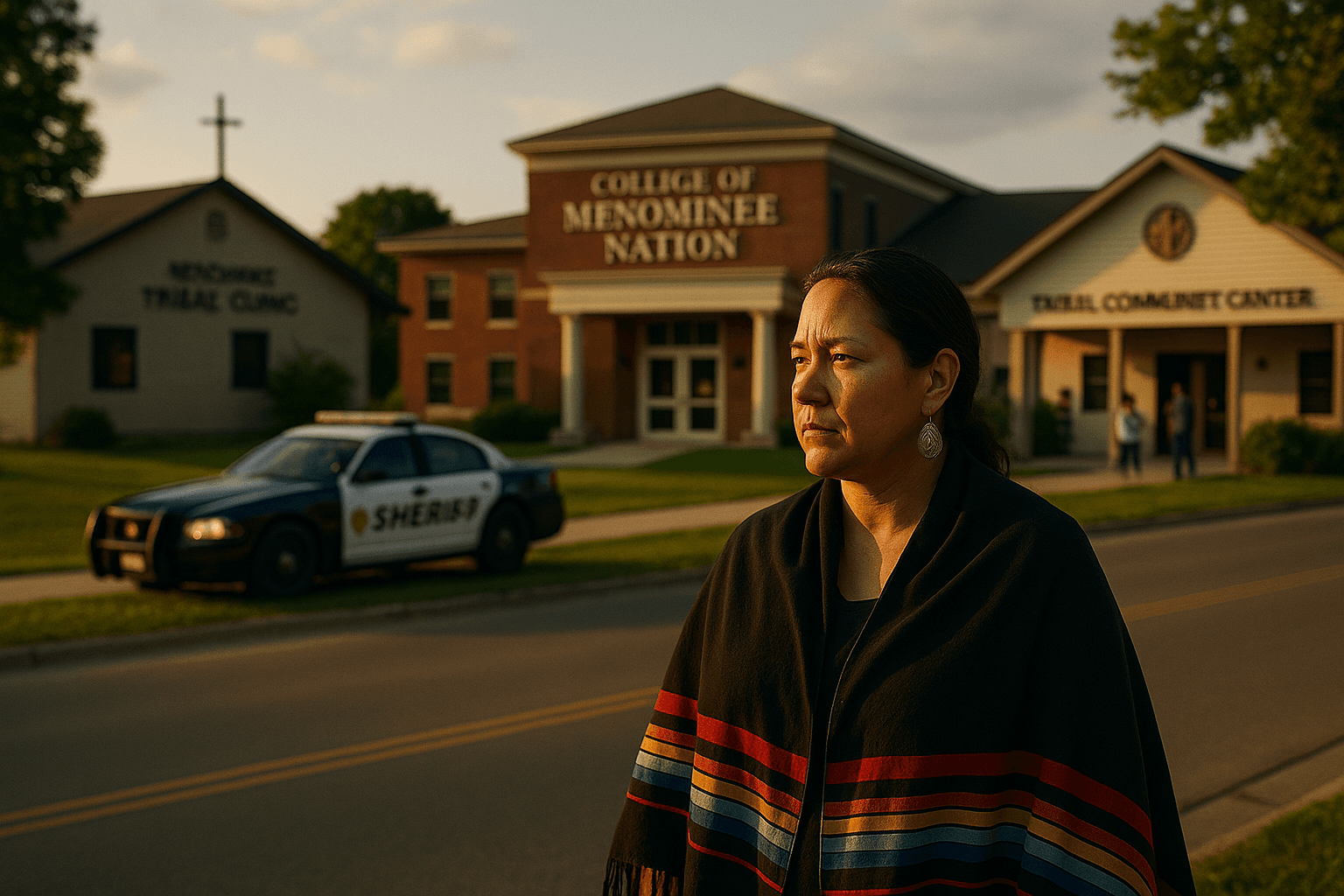
Menominee County residents have a concentrated set of institutions that deliver core services on the reservation and across the county. The Menominee Tribal Clinic serves as the primary clinic on the reservation, offering patient services, an on site pharmacy, and community health programs. For many families this clinic is the first stop for routine care, prescriptions, and population health outreach that can reduce travel time and improve access to preventive services.
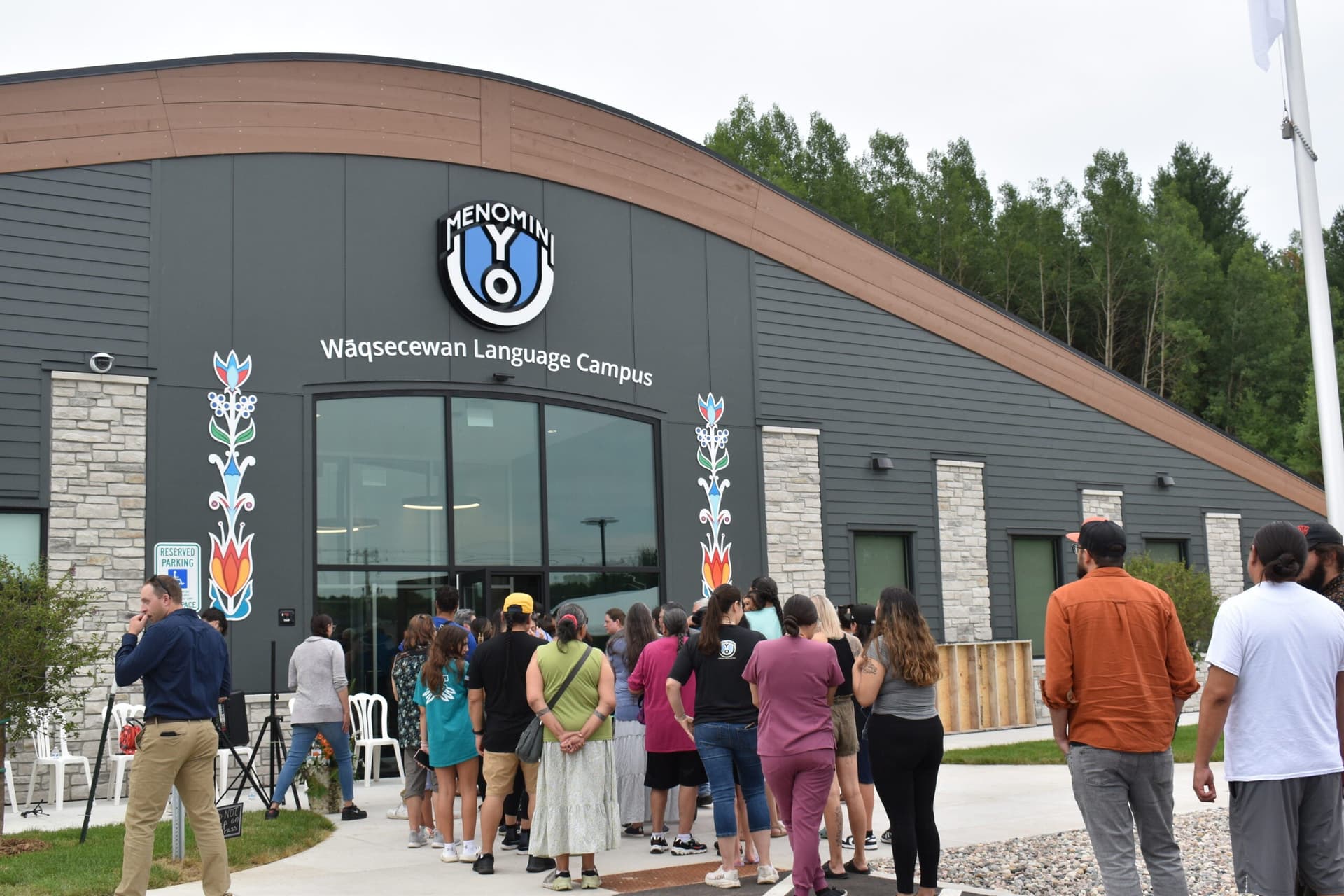
Higher education and workforce training center on the College of Menominee Nation Keshena campus, which provides degree programs, continuing education, and community events. The campus supports skills development and ongoing learning that contribute to local labor supply and small business formation. Expanded continuing education can help residents qualify for higher paying jobs and strengthen the county tax base over time.
Public safety in Menominee County rests with both the Menominee County Sheriff’s Office and Menominee Tribal Police. These agencies are the primary law enforcement contacts for county and reservation incidents, and coordination between them is central to emergency response and community policing. Clear points of contact and regular information from law enforcement matter for public safety planning and crime prevention.
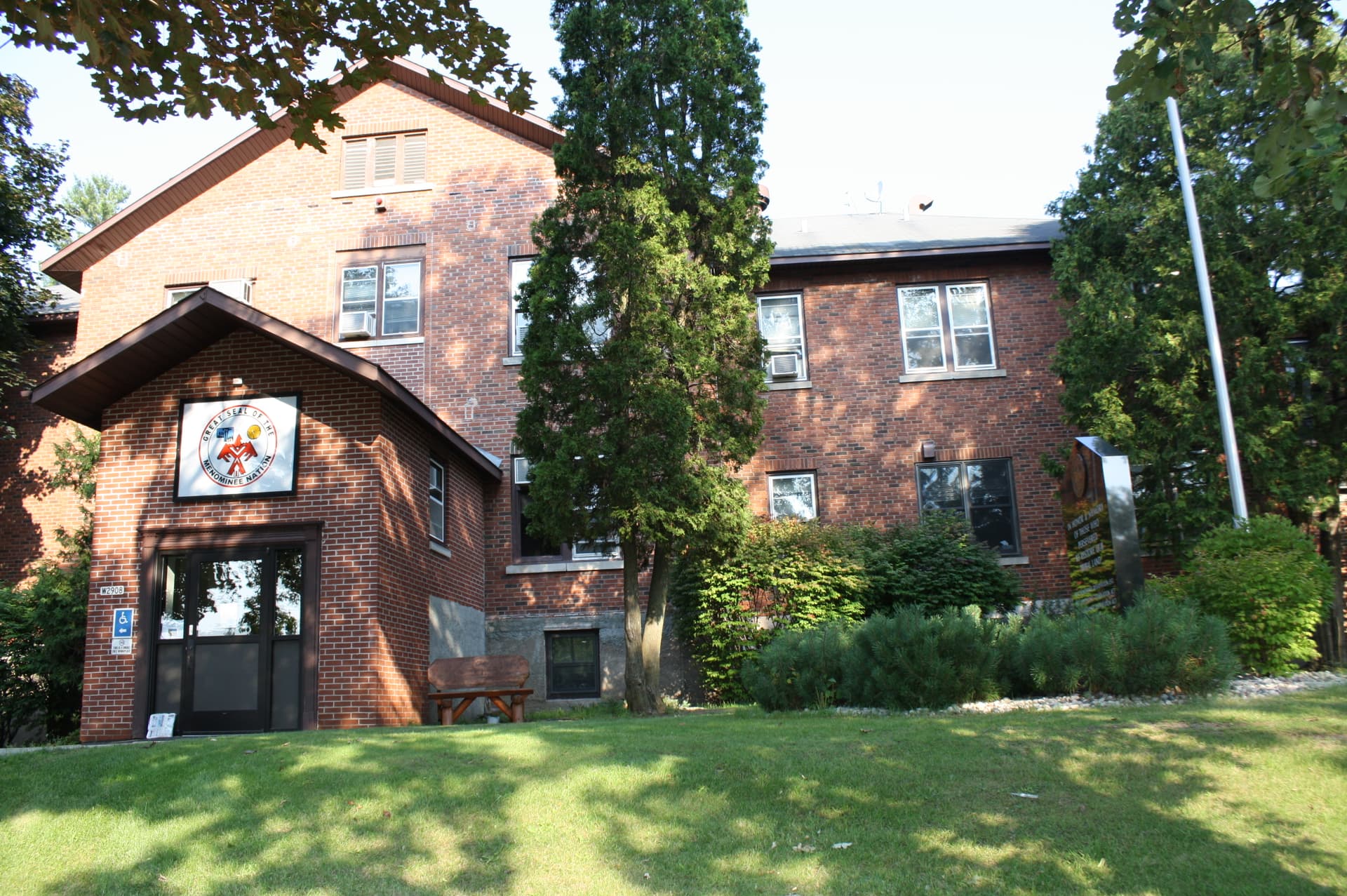
The Menominee Indian Tribe of Wisconsin provides tribal government functions that include a Tribal Legislature, committees, public notices, election information, and program services. Tribal governance decisions shape funding priorities for health, education, housing, and cultural preservation. Residents should monitor public notices and program announcements to understand eligibility for services and to participate in local elections and committee processes.
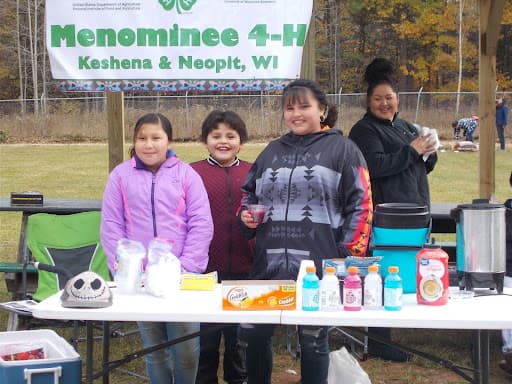
Community centers and cultural venues anchor social life and emergency planning. Woodland Bowl in Keshena, the Zoar Ceremonial Building in Zoar, and facilities at Menominee Tribal School are used for events, ceremonies, emergency sheltering, and cultural programs. These spaces sustain cultural transmission, provide sites for community events that generate local economic activity, and serve as designated shelters during severe weather or other emergencies.
Taken together, these institutions form the backbone of local service delivery. Strengthening coordination among health providers, educational institutions, law enforcement, and tribal government improves outcomes for residents and supports long term economic stability in Menominee County. Residents should engage with the clinic, college, law enforcement, tribal offices, and community venues to access services, receive emergency information, and participate in civic life.
This article was produced by Prism’s automated news system from verified source data, official records, and press releases, then run through automated quality and moderation checks before publishing. The system is built and supervised by the people who set the standards it runs under. Read our full AI policy.
Did this article answer your question?