Legend Lake anchors Menominee County recreation and shoreline management
Legend Lake is where Menominee County’s shoreline rules, boating limits, and tribal-state oversight meet. Here’s what homeowners, anglers, and summer visitors need to know.
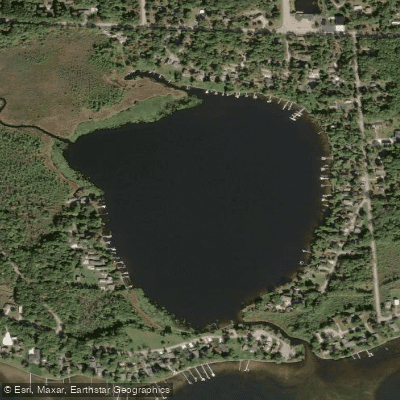
Legend Lake is Menominee County’s busiest waterway in more ways than one. It is a spring-fed lake more than six miles long, with 47.5 miles of shoreline, 1,304 acres of water, and a maximum depth of 74 feet, and it sits beside both seasonal and permanent homes that depend on clear rules for access, safety, and shoreline use.
Why Legend Lake matters in everyday county life
The lake is not a remote recreation spot. Menominee County describes it as a main recreational area, and the Wisconsin Department of Natural Resources lists popular species including largemouth bass and northern pike, which makes the lake central to boating, fishing, and summer use. That role matters in a county that spans about 234,355 acres, or 360 square miles, with roughly 223,500 acres of heavily forested land and four rivers, the Evergreen, Oconto, Red, and Wolf, moving through the broader landscape.
That setting explains why Legend Lake keeps drawing attention from residents, property owners, boaters, and anglers. The shoreline is dense with homes, the water is used heavily, and local policy has to manage both development and recreation without turning the lake into a free-for-all.
The shoreline rules that shape what people can build and fix
For anyone planning work near the water, the first stop is the Menominee County Land Conservation and Zoning Department. County guidance says anyone wanting to complete activities within the shoreland setback area of any surface water should contact the department first, and it treats shoreline work within 75 feet of a lake or river as the kind of project that often requires a permit.
The county’s Land and Water Resource Management Plan is the backbone for that work. It was first developed in 2001, updated in 2004, 2007, and 2010, approved by the State Land and Water Conservation Board in October 2017 and by the county board in November 2017, and is being implemented from 2018 to 2027. The county says eligible shoreline stabilization, vegetated buffers, and properly abandoned wells can receive cost-share support, with assistance reaching up to 70 percent in some cases.
The practical rules are specific. Menominee County’s shoreland zoning summary says retaining walls cannot be permitted within 75 feet of surface water. It also says one 200-square-foot open-sided structure may be permitted within the shoreland area, but not within 35 feet of the water. Pathways and use areas must be stable and must not create erosion problems, and beaches cannot be replenished each year without a permit. Those are the kinds of details that affect a homeowner deciding whether to add a landing, repair a bank, or reshape a shoreline used by family and guests.
What this means for homes, boathouses, and summer visitors
Legend Lake’s built environment brings its own layer of rules. County zoning says boathouses on Legend Lake must be permitted by County Zoning and also receive a variance from the Legend Lake Property Owners Association. That extra step makes the lake different from a typical rural shoreline, because local use is shaped by both county regulation and association-level review.
The county’s zoning ordinance section for Legend Lake Residential says the district exists to provide zoning regulations that are compatible with other lake properties and to establish a standard for development. The county adopted amendments to Section 8.5 Legend Lake Residential on March 18, 2025, which is a reminder that the rules are still being adjusted to fit current use patterns.
For summer visitors, that means the lake is welcoming, but not unregulated. Public access, shoreline privacy, and development limits are all part of how the lake stays usable for the people who already live there and the people who come in for fishing, family gatherings, and seasonal recreation.
Boating safety is written into the lake’s daily routine
Town Ordinance No. 47 is the clearest example of how Legend Lake is managed as an active recreation center. The ordinance is intended to provide safe and healthful conditions for aquatic recreation, adopts key Wisconsin boating laws, and requires slow-no-wake operation within 200 feet of shoreline and in channels. It also includes life-jacket rules for towing, which matters to tubing, skiing, and other high-speed use.
The ordinance was amended in 2025, and a public hearing on proposed amendments was held June 11, 2025. That recent hearing shows the rules are not static. They are being reviewed as the lake’s traffic, shoreline use, and safety demands evolve.
For boaters, the takeaway is simple: close to shore and in narrow passages, speed restrictions are not optional. Those rules protect docks, swimmers, anglers, and people crossing between shoreline properties, especially during the busiest summer weekends.
The plant-control dispute that put the lake back in the spotlight
Legend Lake also became the focus of a fresh state permitting dispute in 2025. On March 20, 2025, the Wisconsin Department of Natural Resources issued Permit No. NE-2025-40-2220 to the Legend Lake Protection and Rehabilitation District for chemical aquatic plant management on the lake. Midwest Environmental Advocates filed a contested case hearing petition on behalf of the Menominee Indian Tribe of Wisconsin, and the DNR granted the hearing request on May 5, 2025, limiting the review to the permit decision.
That matters because aquatic plant control is not just a maintenance issue. DNR guidance says many aquatic plant management and nuisance-control activities require a permit when chemicals are used, which makes the permit process part of how lake recreation is balanced against environmental risk and public concern. On a lake as heavily used as Legend Lake, plant management can affect boat lanes, fishing spots, shoreline habitat, and the long-term condition of the water itself.
The Menominee Indian Tribe of Wisconsin’s role in that debate is grounded in a much longer history. The tribe says its presence in the region dates back 10,000 years, and that its ancestral land base once totaled about 10 million acres in the early treaty era before shrinking to a little more than 235,000 acres today. That history gives tribe involvement in lake management a depth that goes far beyond a routine stakeholder role.
Who is involved locally, and where the work happens
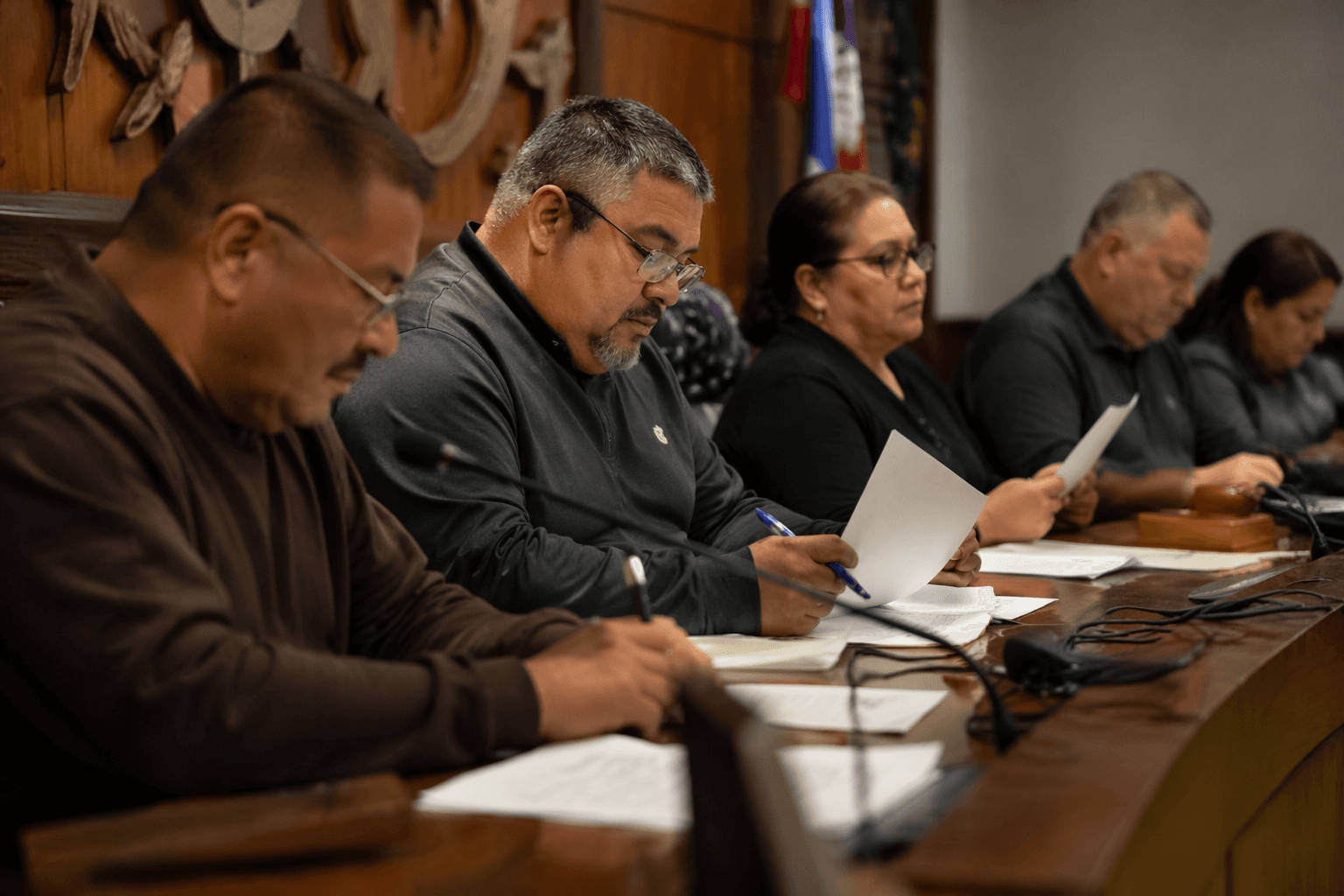
Menominee County says it works with the Menominee Indian Tribe of Wisconsin, the Legend Lake Protection & Rehabilitation District, and the Legend Lake Property Owners Association to protect water resources and promote safe lake use. The committee page for the district lists county board members Douglas Cox Sr. and Eva Johnson, showing that Legend Lake oversight is tied into county governance rather than handled as an informal neighborhood matter.
The Legend Lake Property Owners Association and the Legend Lake Protection & Rehabilitation District operate from N1024 Old South Branch Rd. in Keshena. The association handles bylaws, rules, social events, and lake-related updates, which gives residents a local point of contact when questions come up about shared shoreline expectations, use rules, or district matters.
For anglers and anyone checking lake conditions, the Wisconsin DNR’s Surface Water Data Viewer adds another layer of practical information, with water chemistry, sediment, fish, and macroinvertebrate data available through its mapping tools. That kind of data is useful when planning a fishing trip, watching for changing conditions, or understanding why the lake is managed so carefully.
Legend Lake functions as Menominee County’s shared recreation center, but it only works because shoreline limits, boating rules, and permit review keep pace with the pressure on a heavily developed lake. For the people who live there and the people who use it, the rules are not background paperwork. They are the framework that keeps the water usable.
This article was produced by Prism’s automated news system from verified source data, official records, and press releases, then run through automated quality and moderation checks before publishing. The system is built and supervised by the people who set the standards it runs under. Read our full AI policy.
Know something we missed? Have a correction or additional information?
Submit a Tip