Wisconsin Supreme Court upholds Menominee Tribe immunity in land dispute
The court kept Legend Lake covenants from reaching tribal trust land, and the immunity ruling also shields Guy Keshena in the state case.
The Wisconsin Supreme Court upheld the dismissal of the Legend Lake Property Owners Association’s lawsuit, keeping the Menominee Indian Tribe of Wisconsin immune from the land-use fight over parcels abutting Legend Lake in Menominee County. The June 23 ruling in case 2022AP937 leaves in place the Menominee County Circuit Court’s judgment and order in case 2018CV7, entered by Judge Katherine Sloma, and means the association’s attempt to enforce its restrictions in state court cannot go forward against the Tribe or Guy Keshena.
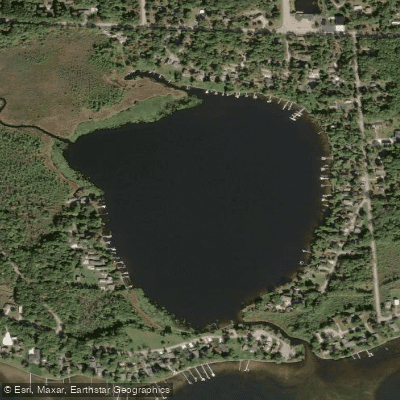
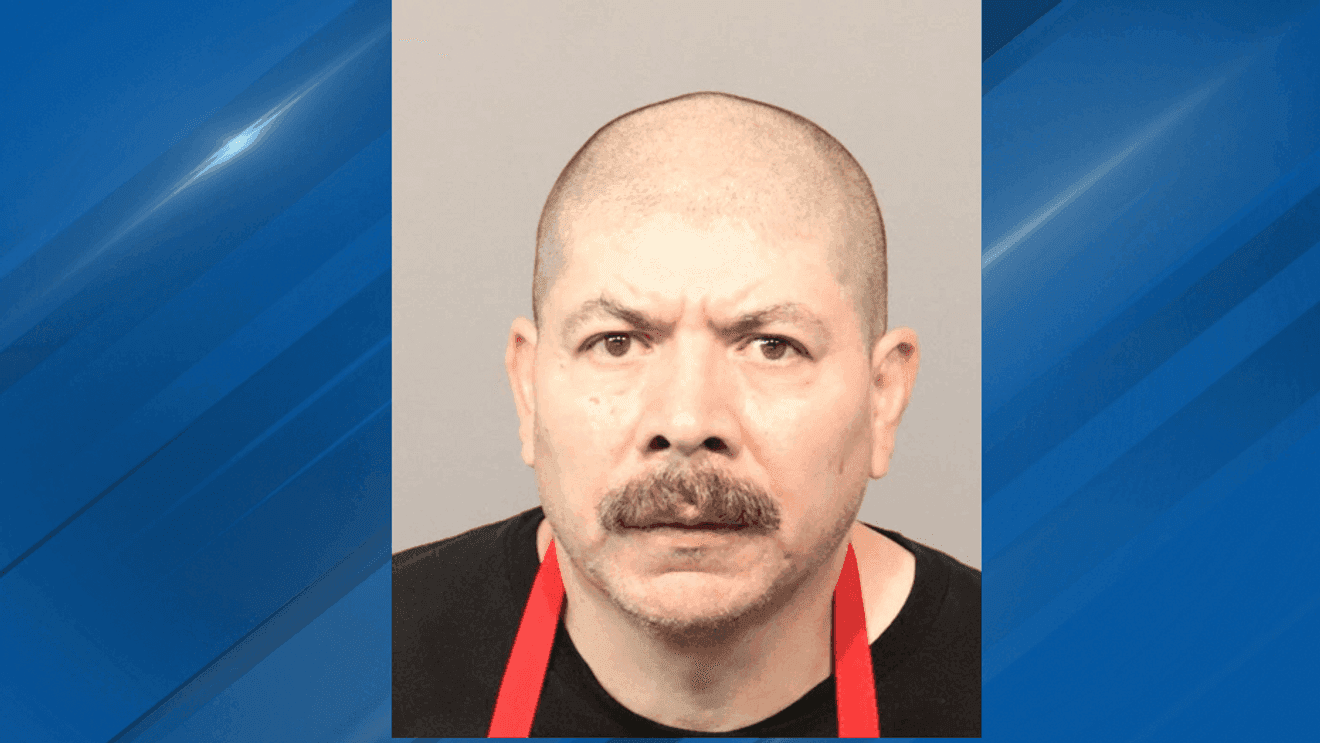
At the center of the case was a narrow question for Legend Lake and nearby trust land: whether the Tribe waived sovereign immunity by buying property that was already subject to private restrictive covenants. The majority said nothing in the record abrogated, waived or otherwise defeated that immunity. Tribal sovereign immunity is a core part of tribal sovereignty and self-government, and it barred the association’s claims here. The ruling also extends that protection to Keshena, the tribal member named in the lawsuit, not just to the Tribe as an institution.
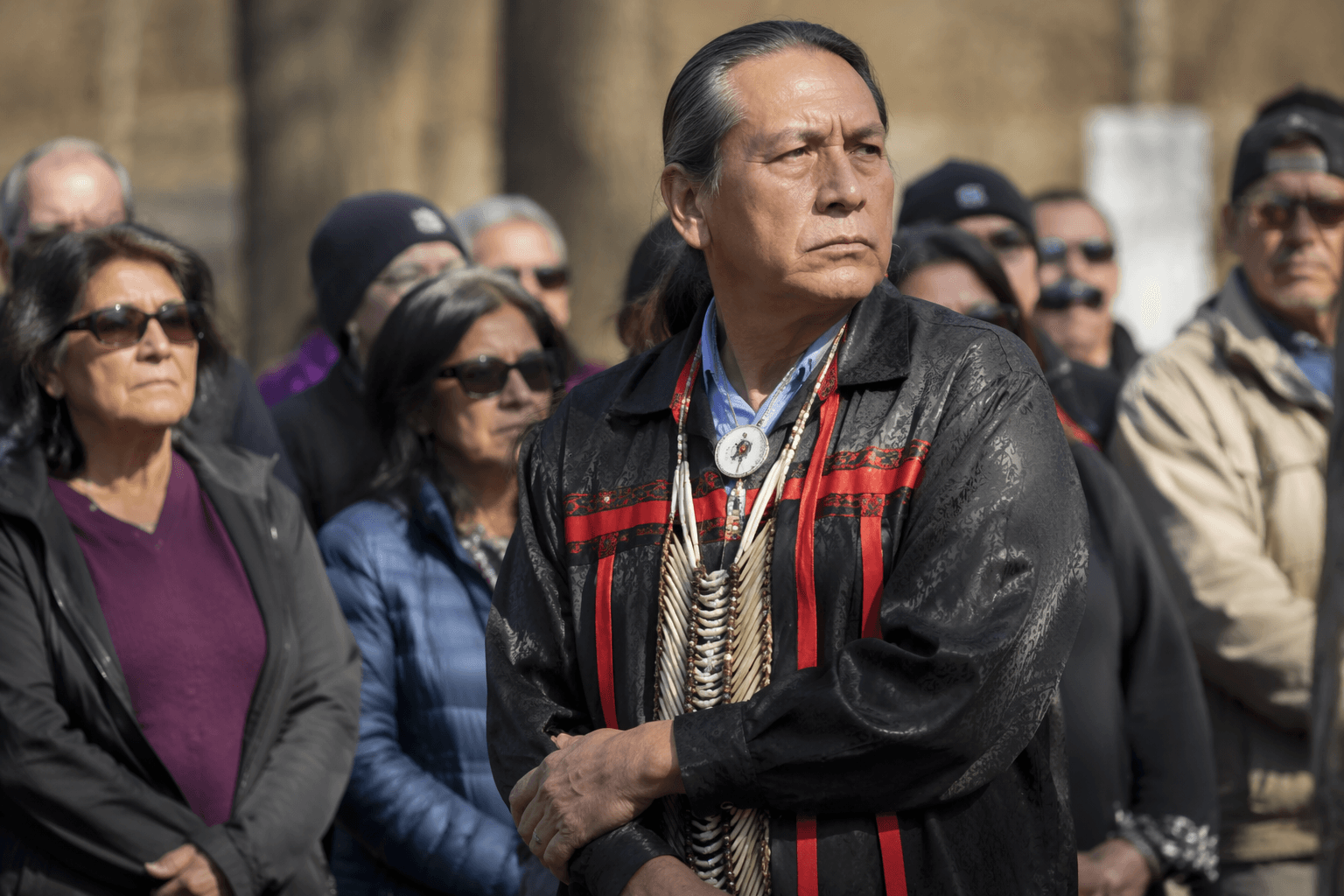
The association’s covenants, adopted in 2009, cannot be used in this case to draw federally held trust land into a private enforcement fight in Wisconsin courts. The association has represented landowners at Legend Lake since 1972, before Menominee tribal rights were restored.
The underlying conflict had been building for years. Keshena bought 40 parcels at Legend Lake sometime after 2017, with the stated intention of placing the land in trust with the federal government. The association filed suit in 2018, and the Wisconsin Supreme Court heard oral argument on Oct. 13, 2025. The Menominee are among the oldest continuous residents in Wisconsin, and the Treaty of Wolf River established the reservation, now mostly in Menominee County, as a permanent home for the Tribe.
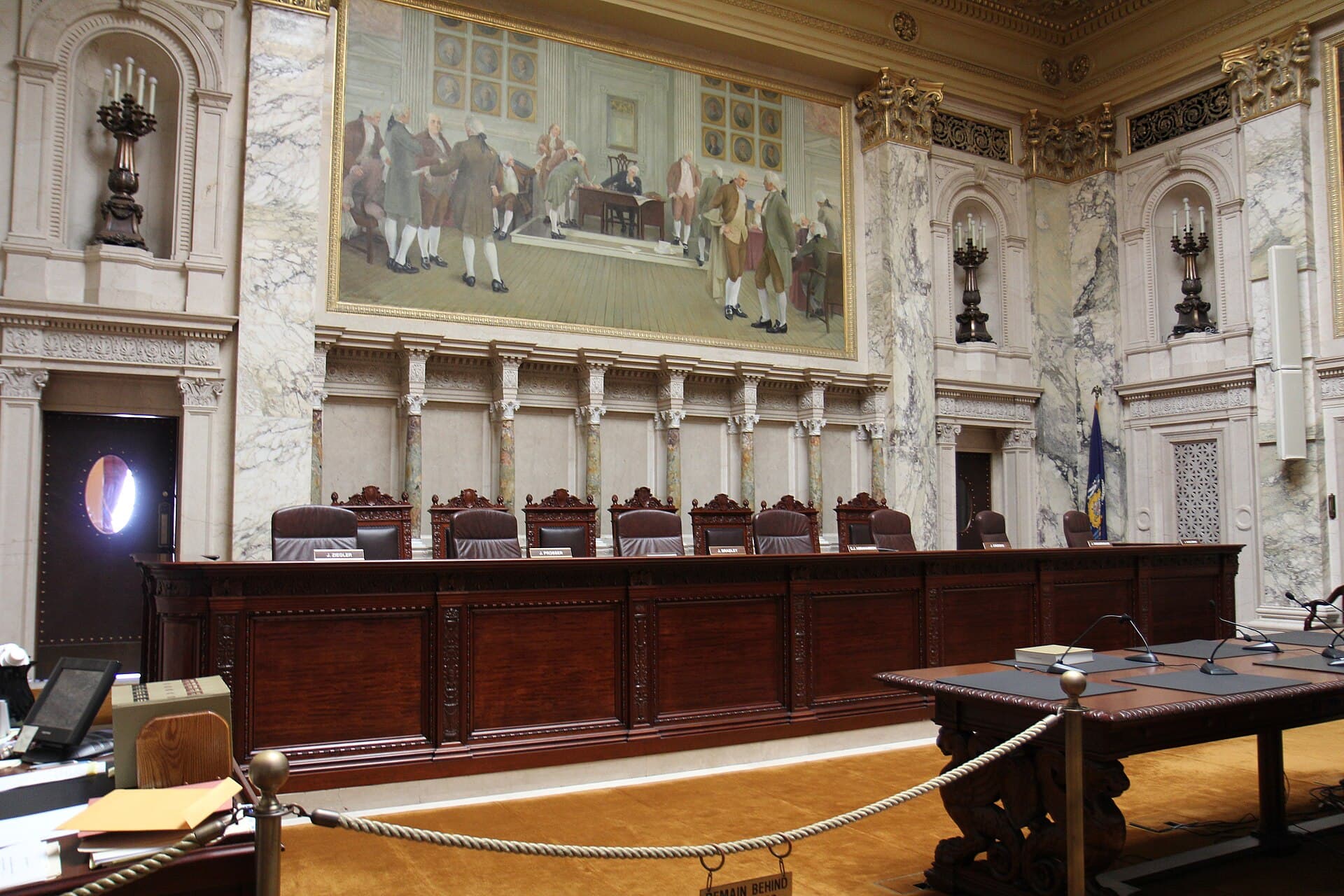
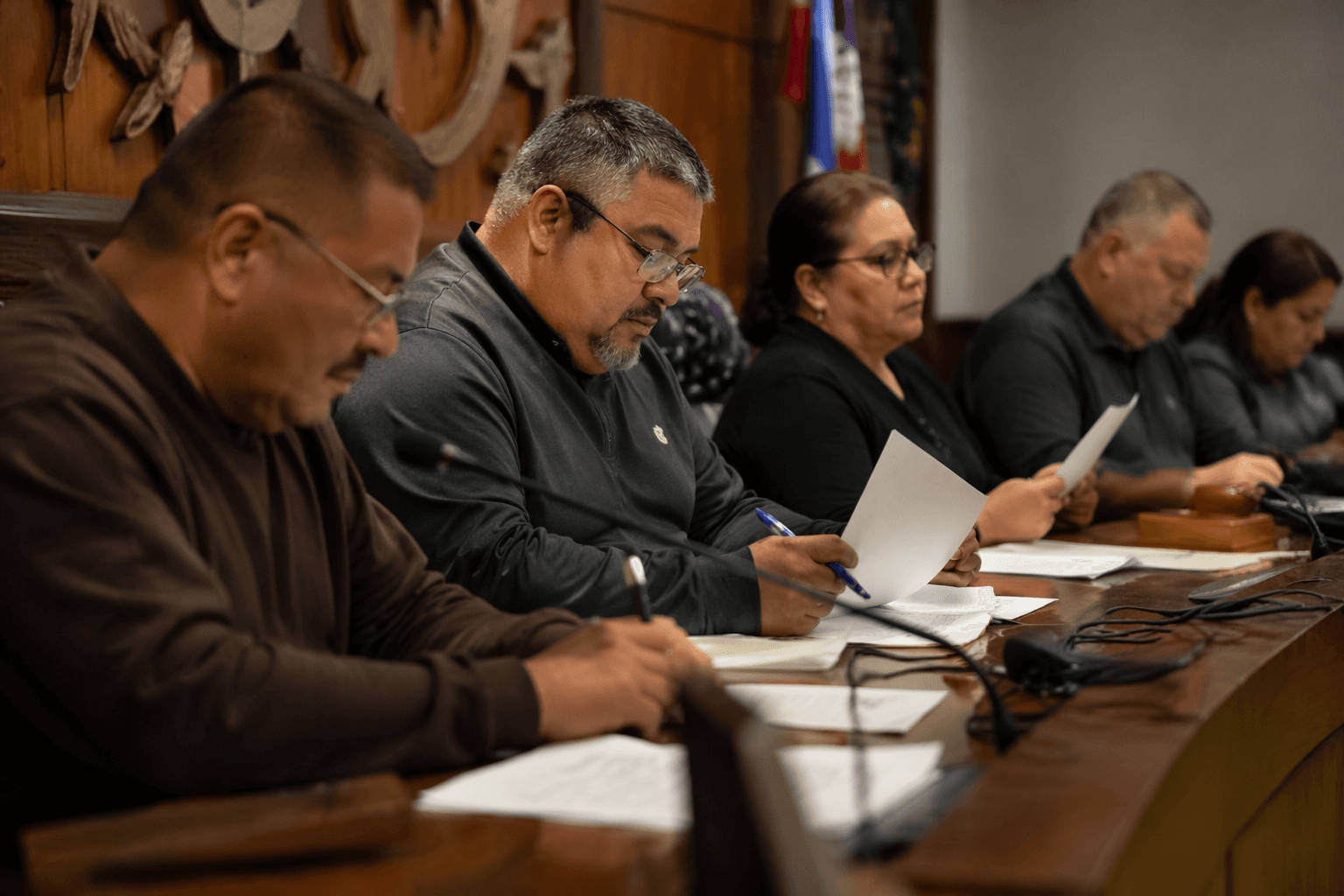
The decision was not unanimous. Justice Rebecca Grassl Bradley dissented, joined by Justice Annette Kingsland Ziegler, and Justice Brian Hagedorn also dissented in an opinion joined by Ziegler and Bradley. Related litigation continues elsewhere, including a federal case in the Eastern District of Wisconsin and a Seventh Circuit appeal docketed Dec. 17, 2025.
This article was produced by Prism’s automated news system from verified source data, official records, and press releases, then run through automated quality and moderation checks before publishing. The system is built and supervised by the people who set the standards it runs under. Read our full AI policy.
Know something we missed? Have a correction or additional information?
Submit a Tip