Menominee clinic urges early school physicals, vaccinations before fall rush
Families in Keshena, Neopit and across Menominee County can beat the late-summer rush by booking physicals and vaccinations now, while also planning for summer lightning.
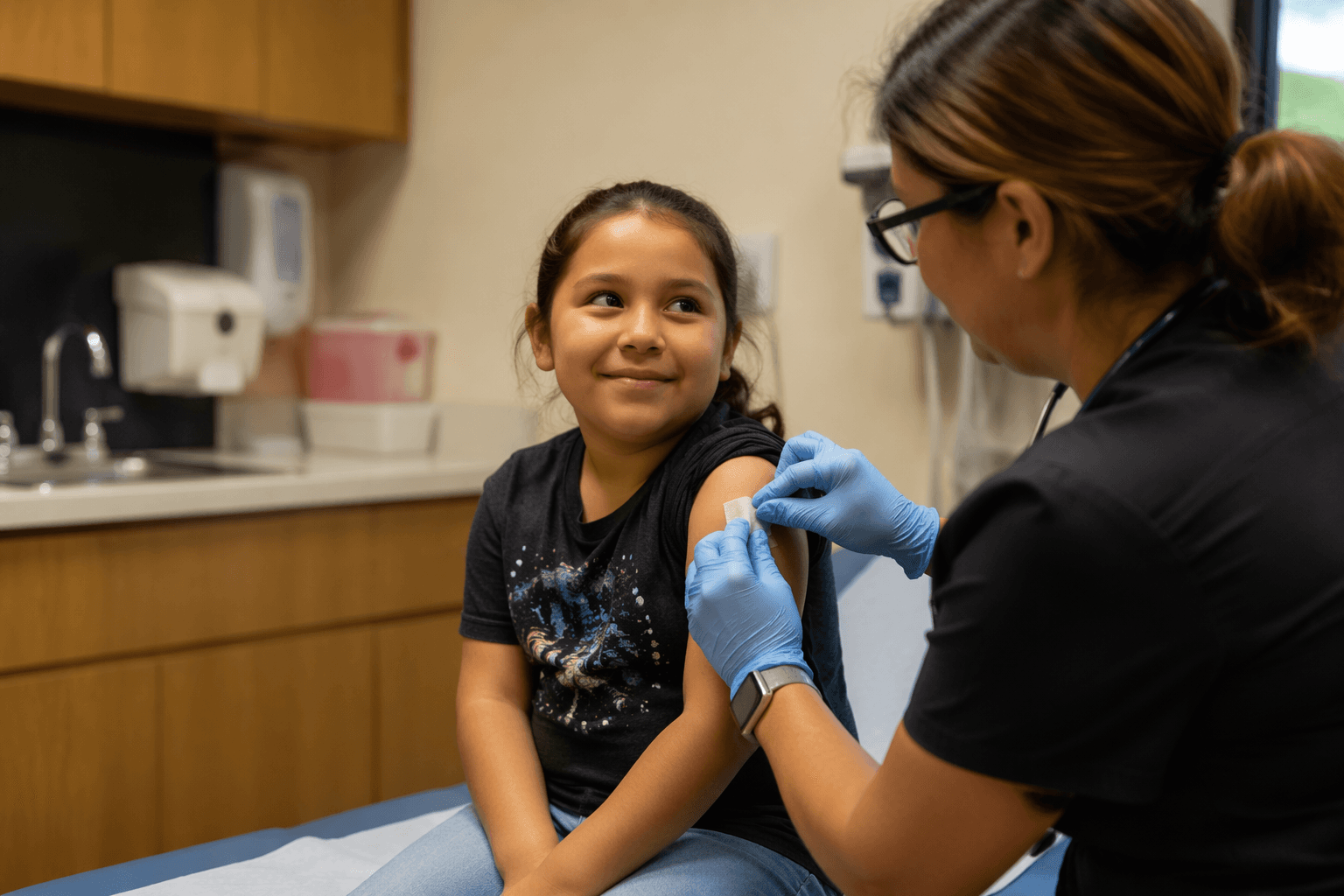
Families across Menominee County have two summer jobs that belong at the top of the list: line up school physicals and immunizations before the fall rush, and treat lightning like the serious threat it is during outdoor season. The Menominee community reminder was aimed squarely at the familiar late-August squeeze, when school forms, sports paperwork, work schedules and last-minute appointments all collide at once.
Get school physicals done before the calendar fills
The clearest next step is to schedule ahead at Menominee Tribal Clinic in Keshena, at W3275 Wolf River Road, instead of waiting until the end of summer. The clinic message is meant for school-aged children who need to stay current on required sports physicals and vaccinations, and it is especially useful for families moving through Menominee Indian School District programs. Getting the visit done now can keep a student athlete, or a child starting a new class or activity, from getting stalled by missing paperwork when school opens.
That advice matters because Wisconsin law requires students to show proof of required vaccines or provide a waiver signed by a parent or guardian. The Wisconsin Department of Health Services also updated child care and school immunization requirements in 2024, and it is already reminding families and providers to plan for the 2025-26 school year. In a county of 4,255 people, according to the 2020 Census, even a short appointment window can ripple through families quickly.
The practical value of an early appointment is that it lets one visit handle several things at once. Families can use the clinic visit to clear physicals, update immunizations and check off back-to-school readiness before every other family in town is trying to do the same thing. That kind of planning is especially important in a place where health care, school requirements and tribal services overlap so closely.
What to do now if you have a child in school or youth sports
The safest move is to act before the late-summer backlog starts building. Parents and guardians should gather school forms, vaccine records and sports paperwork now, then book the appointment as soon as possible so there is time to fix any missing requirements before classes begin.
- Confirm whether a school physical is required for your child’s grade or activity.
- Make sure vaccination records are up to date before the appointment.
- If your child needs a waiver, be ready to ask the school what documentation is required.
- Bring any forms from Menominee Indian School District programs, athletics or other extracurriculars.
- Schedule early enough to leave room for follow-up shots or paperwork corrections.
A simple checklist can help:
This is the kind of preparation that prevents the rush from turning into a problem. A missed physical can mean a missed sports season, a delayed start in a new class or an unnecessary scramble over a form that could have been signed weeks earlier.
Lightning is a summer safety issue, not just a weather warning
The other half of the June reminder was Lightning Safety Awareness Day in Wisconsin, which falls on June 23. Wisconsin Emergency Management and ReadyWisconsin used the occasion to push a message that is especially relevant for Menominee County, where summer days often mean ballgames, family gatherings, outdoor work and powwow-related activities.
Greg Engle, the Wisconsin Emergency Management administrator, put the point plainly: “Lightning is unpredictable and dangerous.” The warning is backed by grim numbers. Since 2006, the National Lightning Safety Council has counted 518 fatal lightning incidents in the United States, and Wisconsin has recorded 12 lightning fatalities in that period, including one during April storms in southeastern Wisconsin.
The safest response is immediate and simple: if you hear thunder or see lightning, go inside. The CDC says to get inside if thunder is audible or lightning is visible, and the National Weather Service says organizers of outdoor activities should have a lightning safety plan and follow it without exception. That last part matters for everything from youth sports to family cookouts, because delays in moving people to shelter are where injuries happen.
Where the risk is highest and what shelter really means
Lightning risk rises fastest in open areas, near lakes and rivers, and anywhere people are gathering outdoors without a solid shelter nearby. That means fields, shorelines, parks and temporary outdoor setups can become dangerous very quickly when storms roll in.
Not every roofed structure is safe enough. Picnic shelters, tents, dugouts and covered patios do not count as adequate protection. The right place is a sturdy, enclosed building or a hard-topped vehicle if a building is not available. If you are far enough away to estimate the storm’s distance, NOAA says that if you see lightning and count 15 seconds before hearing thunder, the strike is about 3 miles away.
That distance estimate is useful because it turns a vague warning into a concrete decision. For outdoor sports, family events and work crews in Menominee County, the rule should be to stop early and move fast, not wait for rain to start.
Menominee County’s emergency message is about preparation
Menominee County Emergency Management says its goal is to provide public awareness campaigns and help residents prepare for disasters, and this reminder fits that mission exactly. The point is not to frighten families away from summer activities, but to make sure they can enjoy them without getting caught off guard by a sudden storm or a last-minute school requirement.
For households in Keshena, Neopit and nearby communities, the easiest way to reduce stress over the next few months is to handle the controllable things now. Book the clinic visit, organize the vaccine records, and build a lightning plan into every outdoor day. That combination of medical prep and weather awareness can save time, prevent setbacks and keep the season on track.
This article was produced by Prism’s automated news system from verified source data, official records, and press releases, then run through automated quality and moderation checks before publishing. The system is built and supervised by the people who set the standards it runs under. Read our full AI policy.
Did this article answer your question?