Menominee Tribal Insurance places AEDs at three community sites
Three AEDs will be placed at Zoar, the Maehnowesekiyah Treatment Center building and South Branch, giving the public faster access in cardiac emergencies.
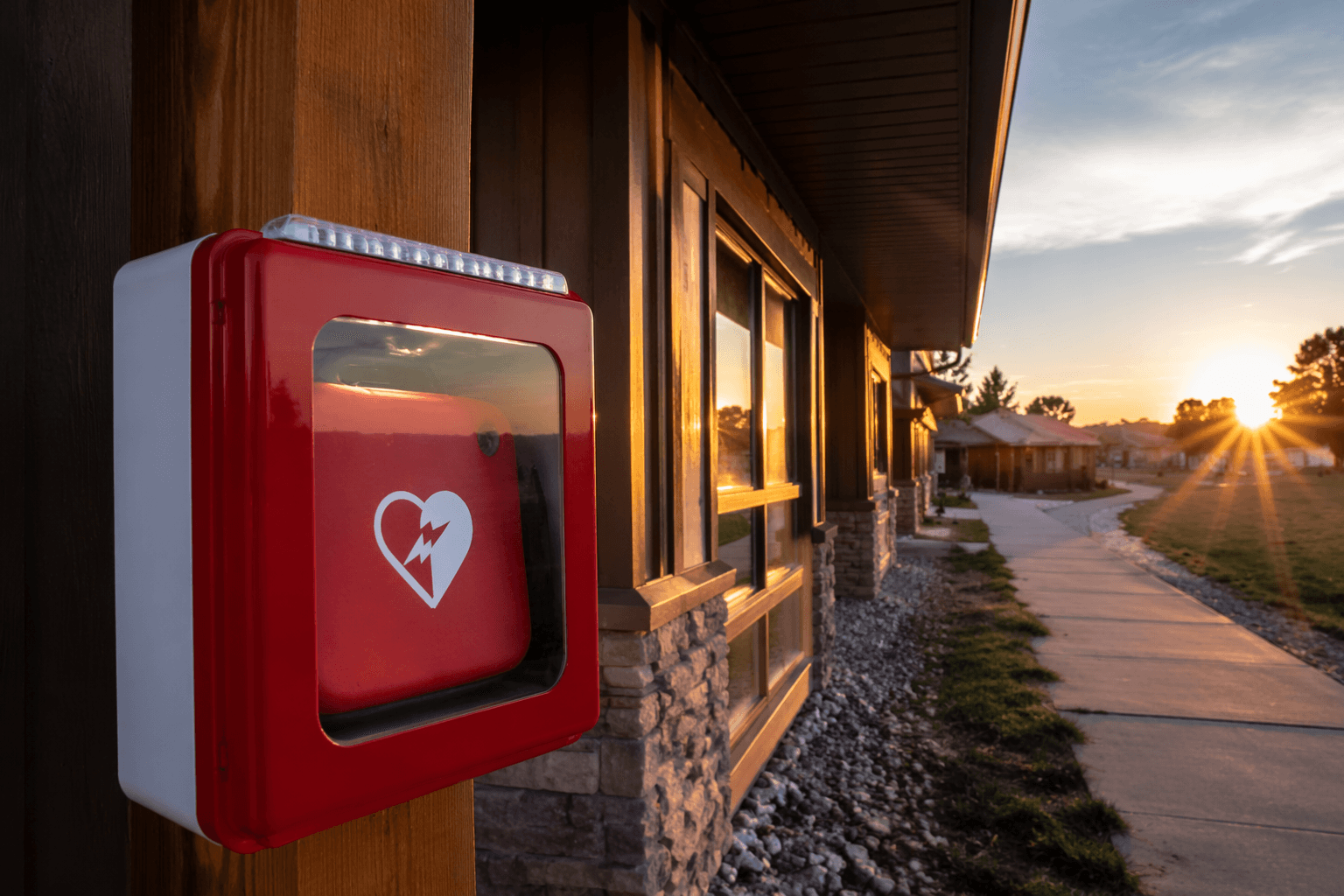
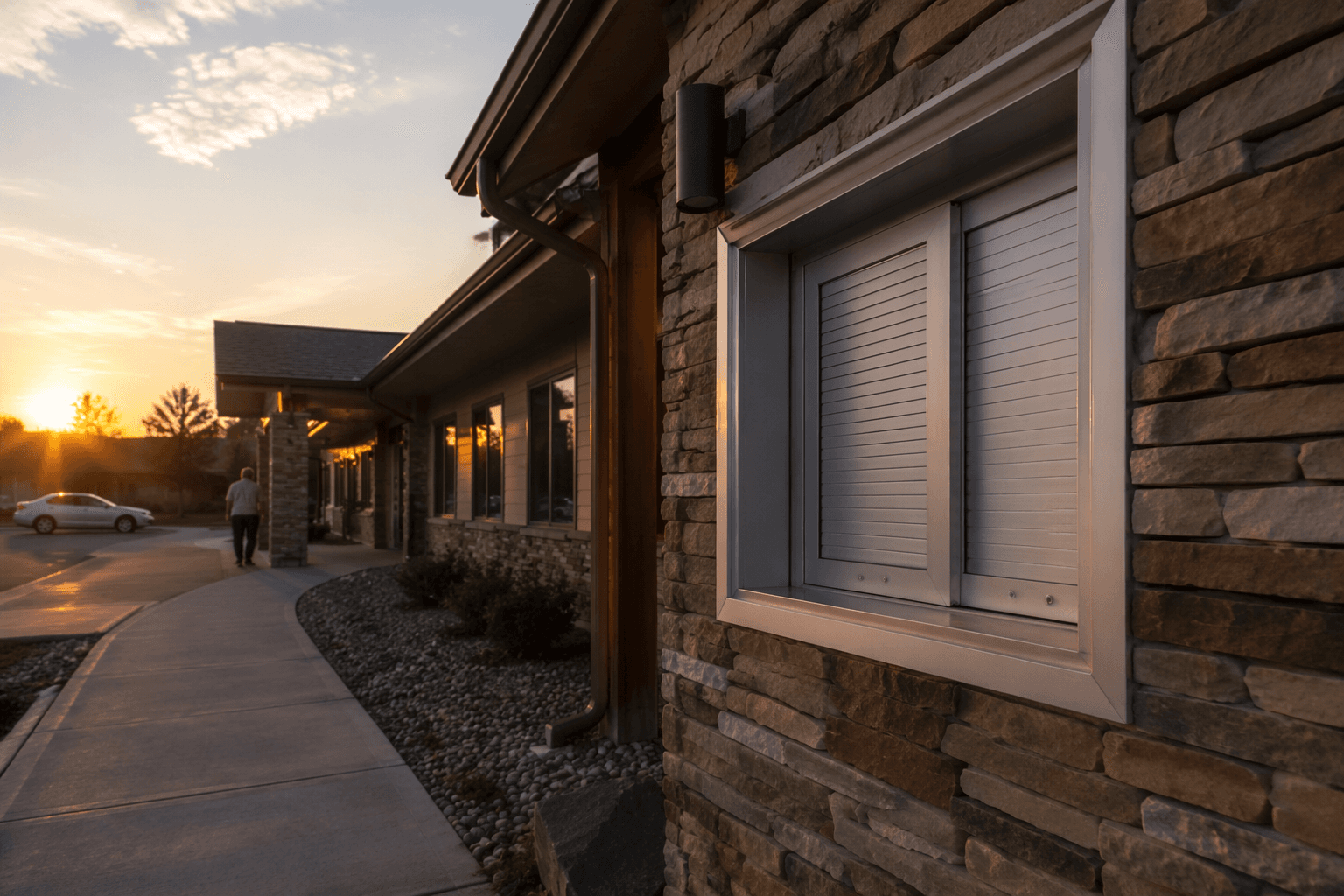
Menominee Tribal Insurance is placing three automated external defibrillators, or AEDs, at community sites across the Menominee Indian Reservation, adding public access to life-saving equipment in Zoar, Keshena and South Branch. The units will be installed outside the Zoar Community Center, in the lobby of the Maehnowesekiyah Treatment Center building and outside the South Branch Community Center, where they will be available to the public.
The choice of locations matters because AEDs work best when they are close to where people already gather. In a cardiac arrest, every minute counts, and the difference between a fast shock and a delayed response can shape whether someone survives. Public-health guidance backs that urgency: the Wisconsin Department of Health Services says AEDs are portable devices that can help restore a normal heart rhythm, the Centers for Disease Control and Prevention says CPR and AED use within minutes of collapse can dramatically improve survival, and the American Heart Association says effective AED programs aim to deliver a shock within 3 to 5 minutes after collapse.

The rollout also fits the reservation’s wider emergency response to overdose and addiction. The Menominee Indian Tribe of Wisconsin declared a state of emergency in 2022 related to drug use and addiction, and its Drug Addiction Intervention Team was created after a March 2022 community meeting and that emergency declaration. Menominee County had the highest overdose death rate in Wisconsin in 2022, and the tribe later saw a sharp decline in overdose deaths and hospitalizations.
That history helps explain why public access to AEDs carries significance beyond routine health planning. The devices are being positioned not just for cardiac incidents, but also to help in drug-overdose emergencies, where oxygen loss and cardiac distress can become deadly before ambulance crews arrive. By placing the units at three familiar community sites, the tribe is putting rescue tools where neighbors, staff and visitors are most likely to reach them quickly.
The new AEDs will not eliminate every gap in emergency coverage across the reservation, especially in homes and outlying areas far from these centers. But they do create three visible points of readiness at places where a few lost minutes can mean the difference between recovery and tragedy.
This article was produced by Prism’s automated news system from verified source data, official records, and press releases, then run through automated quality and moderation checks before publishing. The system is built and supervised by the people who set the standards it runs under. Read our full AI policy.
Did this article answer your question?