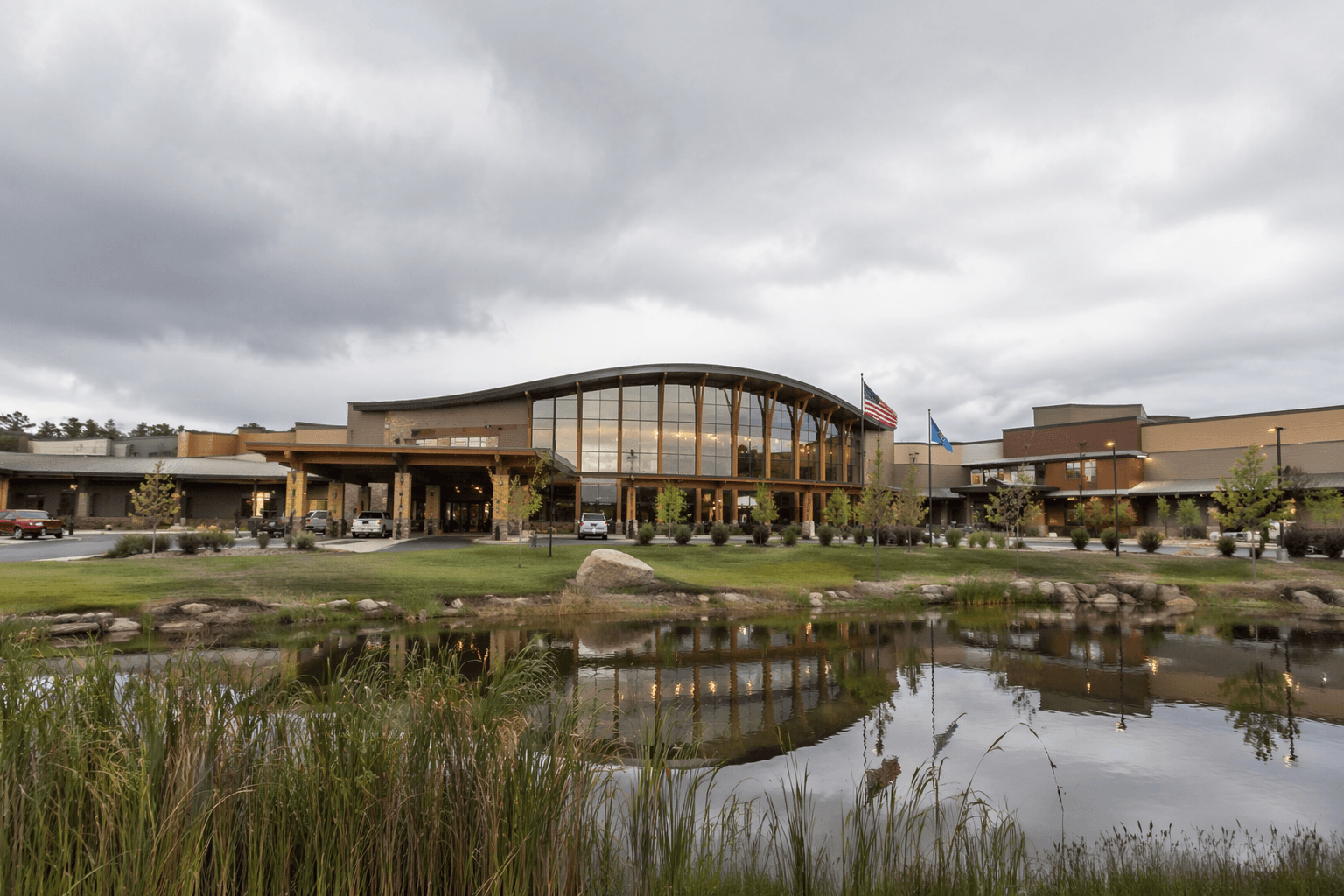
Menominee County Economy Depends on Tribal Government, Health Care, Education
Menominee County’s labor market centers on the Menominee Indian Tribe of Wisconsin, tribal enterprises, health care, education, and hospitality, shaping where most residents work and access services. Understanding these institutions matters for local planning, workforce strategies, and efforts to address housing, broadband, and seasonal job fluctuations that affect household incomes.
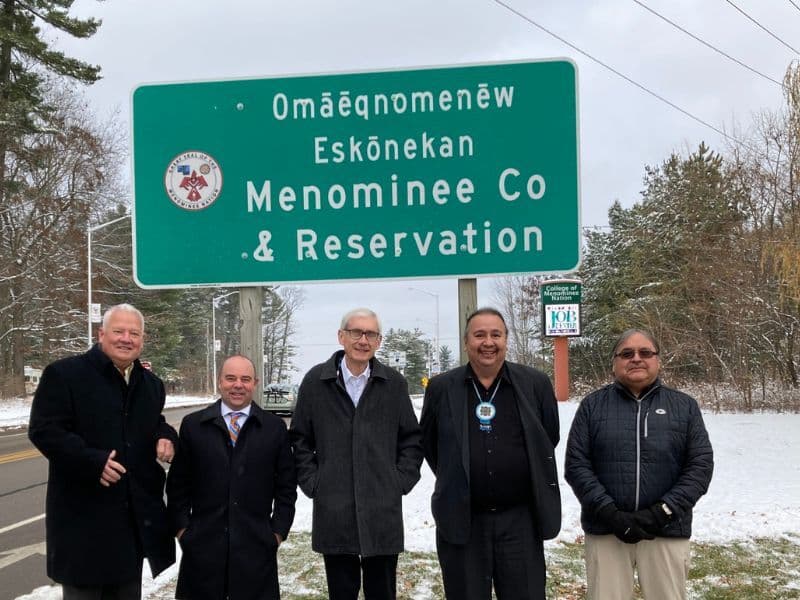
Menominee County’s economic backbone is anchored by tribal government and a compact cluster of employers that provide most public services and year round jobs. The Menominee Indian Tribe of Wisconsin is a central employer, supplying government positions in public safety, conservation, social services, and a range of community programs. Menominee Casino and Resort operations and related hospitality services are a significant source of employment for hospitality, maintenance, and administrative work serving reservation residents and regional visitors.
Education and health care are other pillars of the local economy. The College of Menominee Nation employs faculty and staff, runs workforce and cultural programming, and functions as a pipeline for job training in the region. Menominee Tribal Clinic and associated health services provide primary care, behavioral health, and community nursing, and represent major local health care employment. Local schools, including the Menominee Indian School District, employ teachers and support staff and act as community hubs in Keshena and the nearby reservation communities of Neopit and Zoar.
Public infrastructure and service delivery are concentrated through tribal and local offices. Workforce development and training partners include the college, job centers, and seasonal hiring resources that employers call on during peak tourism periods. Small business owners typically seek licensing and procurement assistance through local business development channels and community development programs. Public works and utilities offices manage roads, water systems, and emergency response for Keshena and neighboring villages, shaping daily life and commercial activity.

The county’s mixed economy delivers stability through government and institutional employment, but it faces persistent challenges common to rural areas. Workforce recruitment and retention are ongoing issues, housing availability limits worker mobility, and seasonal employment creates income volatility. Local economic planners emphasize building training pipelines for hospitality and health care, improving broadband and transportation links, and supporting small business growth tied to forestry, cultural tourism, and outdoor recreation.
For residents, workers, and policymakers, these institutions determine where people find jobs and services, and where investment will most likely deepen local resilience. Strengthening training, infrastructure, and small business support are the practical levers available to broaden opportunities and reduce the county’s reliance on a narrow set of employers.
This article was produced by Prism’s automated news system from verified source data, official records, and press releases, then run through automated quality and moderation checks before publishing. The system is built and supervised by the people who set the standards it runs under. Read our full AI policy.
Did this article answer your question?