Menominee County forestry office guides tree care, oak wilt prevention
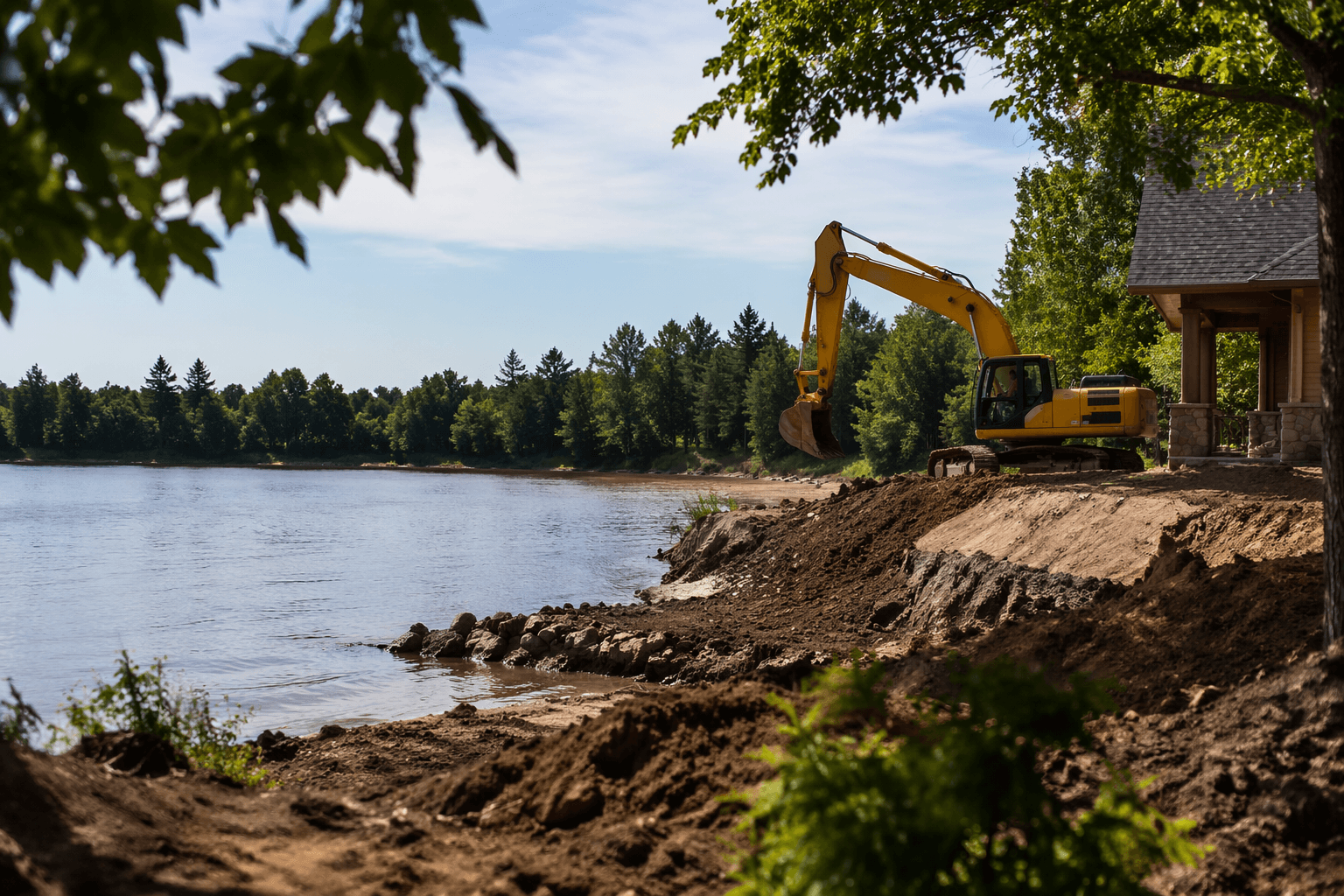
Menominee County’s 223,500 forested acres make tree work a permit issue, not a private one. Call the forestry office before oak trimming, storm cleanup or a building project starts trouble.
About 223,500 of Menominee County’s 234,355 acres are heavily forested, and the county’s boundaries line up with the Town of Menominee and the Menominee Indian Reservation. Forestry, zoning and land-use questions are tied together here in a way few Wisconsin counties can match.
The Menominee County Forestry Department handles all tree-related questions, from insects and diseases to hazard trees, species selection and planting. County Forester Jeremy Johnson is an International Society of Arboriculture certified arborist.
When an oak project needs a permit
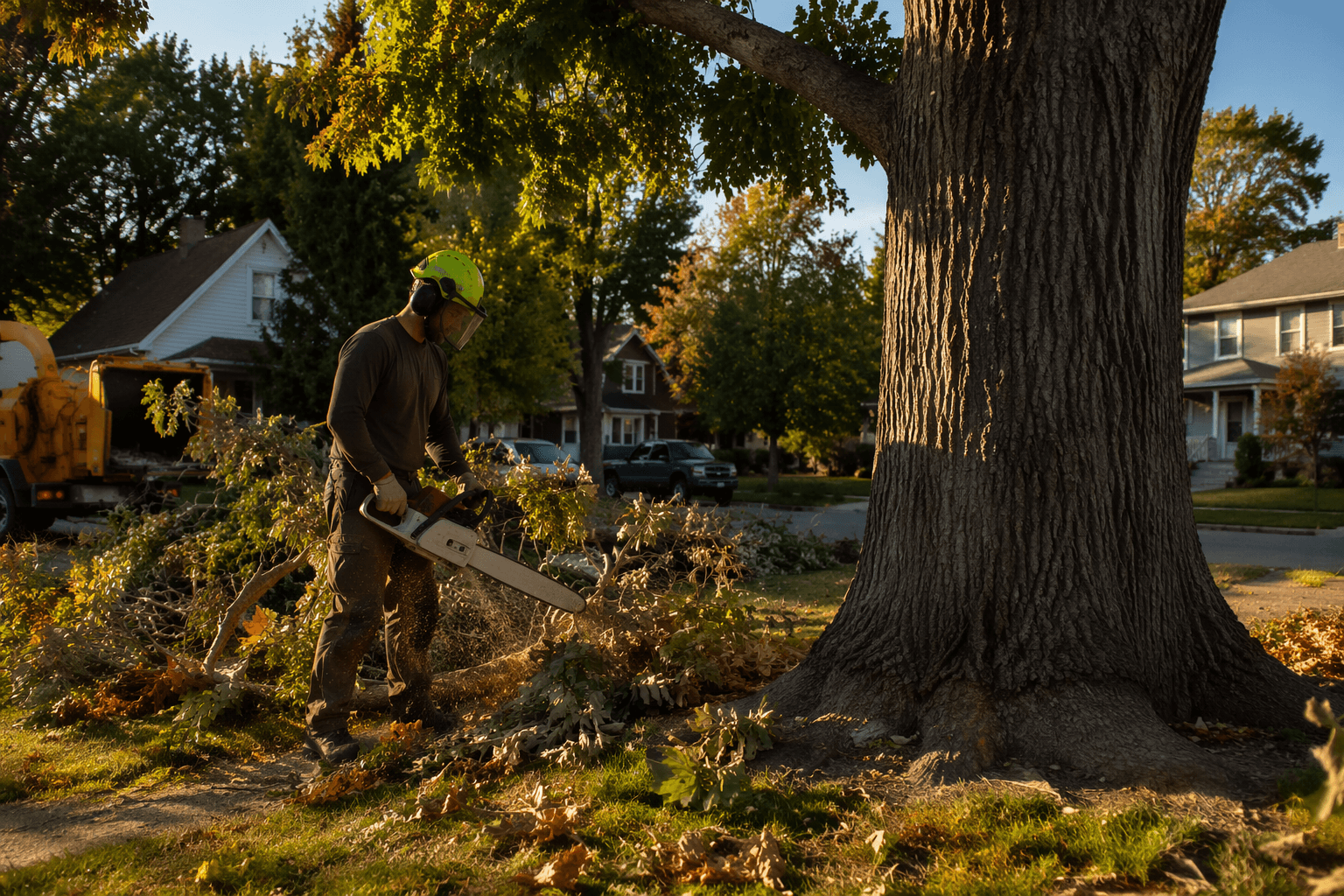
The most important summer rule is simple: before you cut, prune or wound an oak, check the calendar. The Town of Menominee ordinance prohibits cutting, pruning or wounding oaks from April 1 to October 1, and a permit is needed from April 1 through October 1 each year when trimming or cutting oak trees.
That rule is built around oak wilt, the fungal disease identified in the ordinance as Ceratocystis fagacearum. It spreads through grafted root systems and through insects carrying spores, which means a fresh wound can become more than a property-maintenance issue. The Wisconsin Department of Natural Resources says oak wilt kills thousands of trees each year and is especially serious for red oak group species, and it recommends avoiding pruning or cutting oaks from April through July. Menominee County’s local rule is broader than the state recommendation.
Storm damage is the one clear exception. If an oak is damaged in a storm, cleanup can go ahead without a permit, but the department should be notified about the work. After summer wind events, quick cleanup can otherwise turn into a permit violation or a disease-risk problem if the wood is handled the wrong way.
The other times to call before work starts
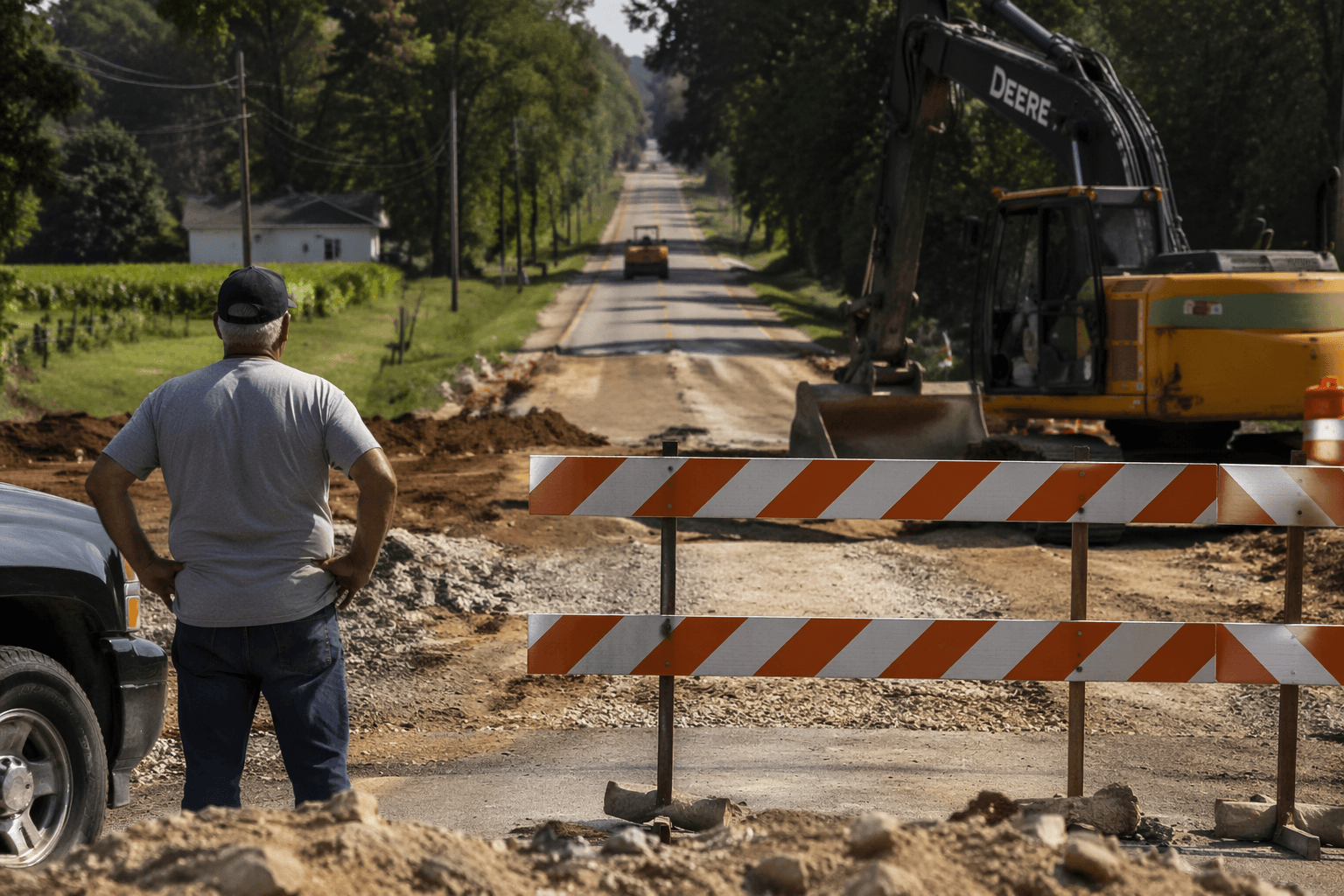
The forestry office is also the place to go when a tree is not just sick, but dangerous. Permits for hazard trees, including dead trees, can be applied for at the forestry office, and building projects can be handled there as well. The fee is $20 at application, a small cost compared with the delays that can come from starting removal or site work without the proper approval.
That same department issues zoning, sanitary and building permits, which shows how closely tree protection is tied to land-use oversight here. If you are planning a garage, driveway, addition or clearing project near woods, the tree questions are not separate from the permit questions. In a county where forest cover dominates the landscape and the reservation and township boundaries overlap, one office helps make sure a project does not run ahead of the rules that protect the land around it.
The county forestry office covers species selection and planting advice as well as disease and hazard-tree questions. That includes decisions about what to plant along a property line, what to replace after a removal, or how to avoid putting the wrong species in a spot where disease pressure or poor site conditions could cause problems later.
Invasive species are part of the same fight
Menominee County’s forest rules are not only about oak wilt. The county and the Menominee Indian Tribe of Wisconsin adopted an invasive species plan in 2010 for the entire county and reservation, and the plan is based on Best Management Practices. That shared approach reflects the reality of a landscape where pests do not stop at parcel lines or municipal boundaries.
The county names emerald ash borer, garlic mustard, buckthorn, honeysuckle, Japanese barberry, spongy moth, beech bark disease, Norway maple and Heterobasidion root disease as threats. Some of those problems show up as dying canopy trees, while others creep in through roadsides, trails, yards and disturbed soil.
The county describes itself as having the largest single tract of virgin timberland in Wisconsin. Invasive insects and diseases are part of the county’s core land-management work, along with planting, hazard-tree identification and permit review.
A local forestry tradition with more than local reach
Menominee forest-management expertise received United Nations commendation in 1995 and the first Presidential Award for Sustainable Development in 1996. The College of Menominee Nation also points to a 1993 joint project with Menominee Tribal Enterprises that led to the Menominee theoretical model of sustainability.
This article was produced by Prism’s automated news system from verified source data, official records, and press releases, then run through automated quality and moderation checks before publishing. The system is built and supervised by the people who set the standards it runs under. Read our full AI policy.
Know something we missed? Have a correction or additional information?
Submit a Tip