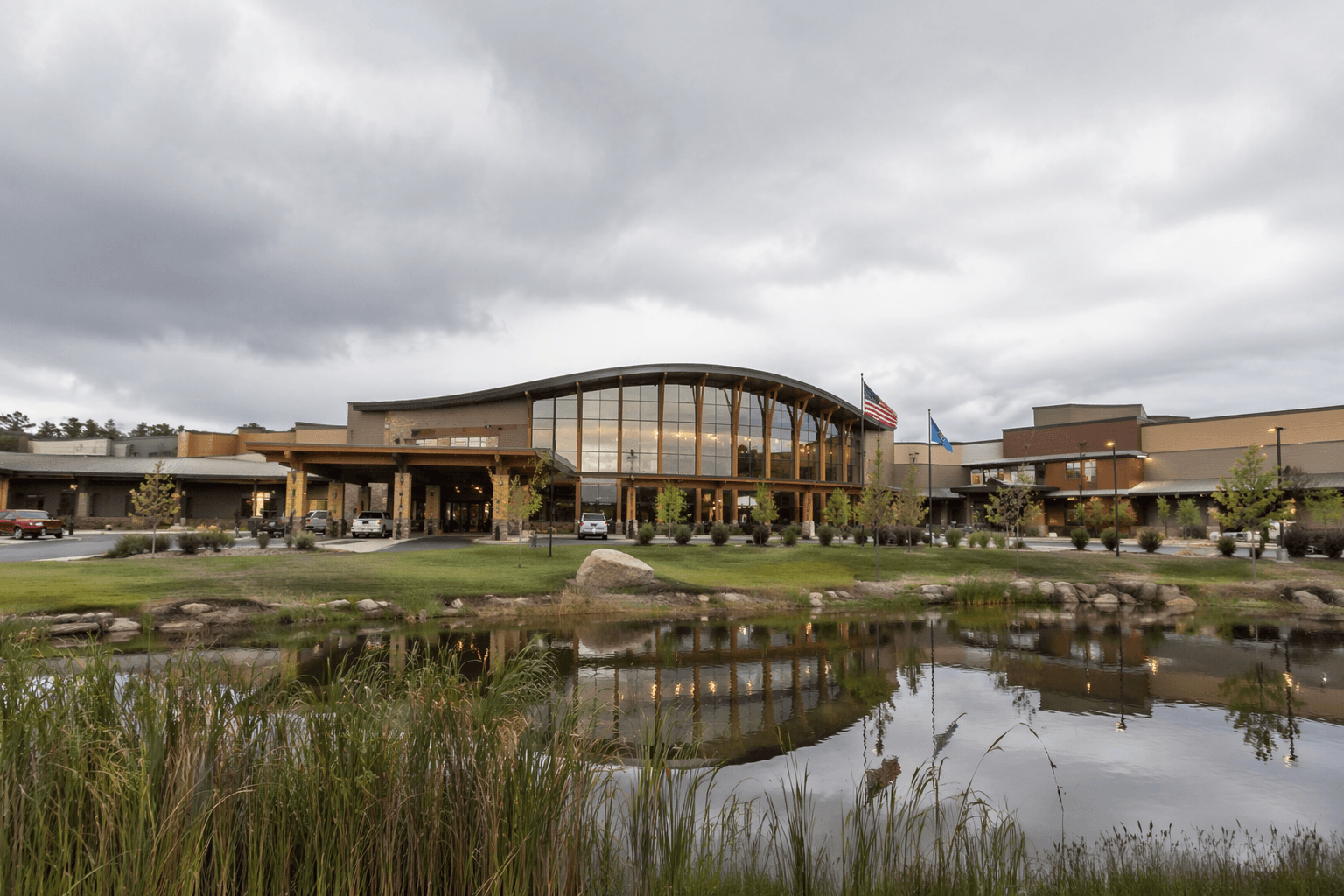
Menominee County Forests Drive Year-Round Jobs, Economic Stability
The Menominee forest model generates year-round jobs, from winter haul windows to spring planting crews, anchoring one of the most resilient rural economies in the forested Midwest.
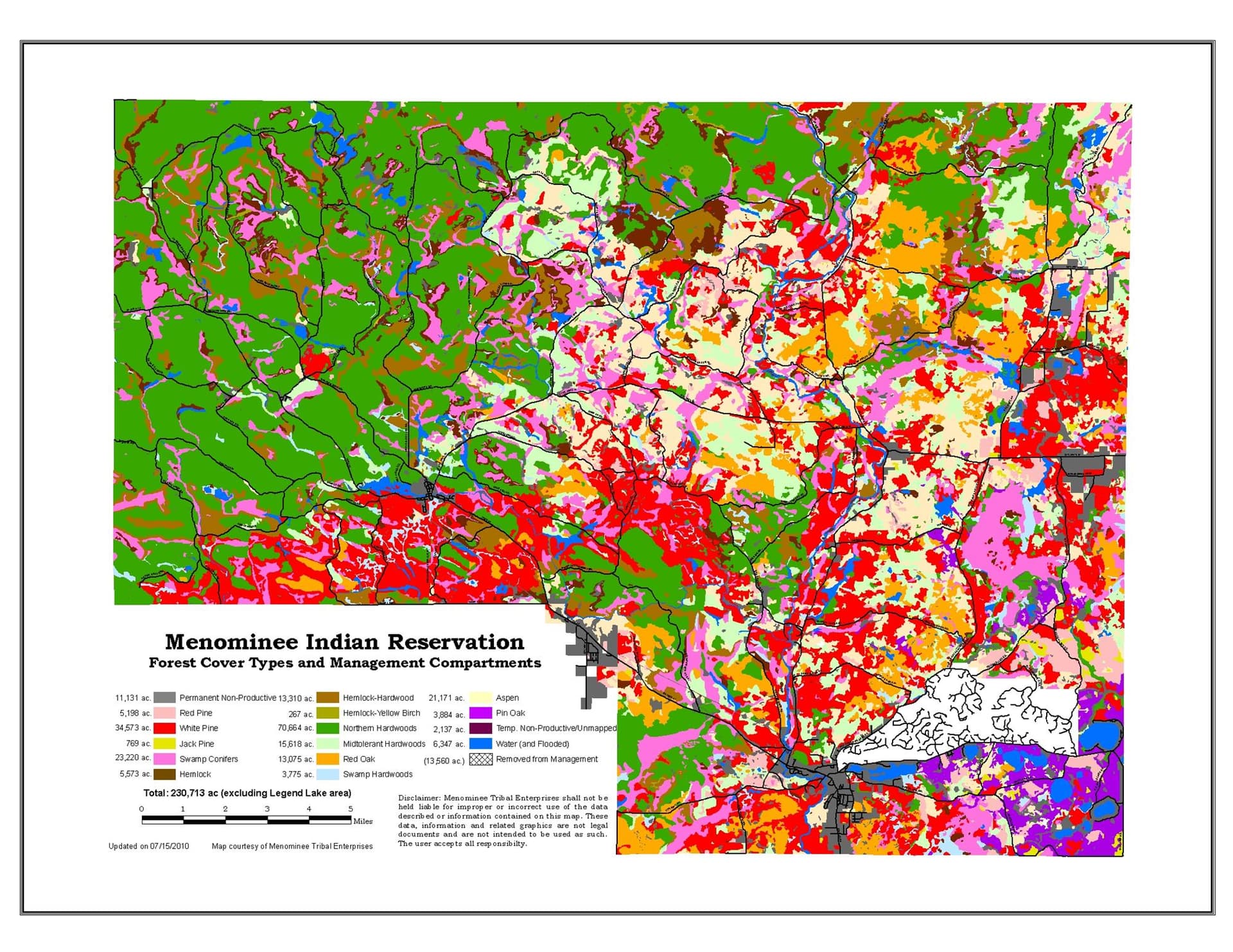
Sustained-yield forestry in Menominee County produces something most rural economies struggle to replicate: a job cycle that does not stop when the calendar turns. From winter log hauls on frozen county roads to spring planting crews moving through newly cleared stands, the Menominee Indian Tribe's forest management model converts a single, continuously managed landscape into recurring employment across logging, milling, transportation, construction, and environmental services.
A Forest Management Model Built for the Long Run
The Menominee Indian Tribe has operated its forestlands under single-tree selection and sustained-yield principles for generations, a system that removes individual trees rather than clearing stands wholesale. This approach preserves old-growth composition while maintaining a continuous harvest flow, meaning the forest never exhausts its productive capacity. That predictability is economically significant: local businesses, from equipment suppliers to trucking firms, can plan hiring and capital spending around a timber supply that does not boom and crash.
The model also serves multiple community functions simultaneously. Timber harvests fund tribal operations and manufacturing jobs. The preserved forest structure supports traditional gathering practices and wildlife habitat. When integrated with prescribed burns and fuel breaks, active management also reduces wildfire risk for surrounding communities. Economic return and cultural stewardship reinforce each other rather than compete, and that alignment across generations is the foundation on which everything else rests.
How the Seasons Shape the Workforce
Forestry employment in Menominee County follows a structured seasonal rhythm that generates demand for different skills at different points in the year.
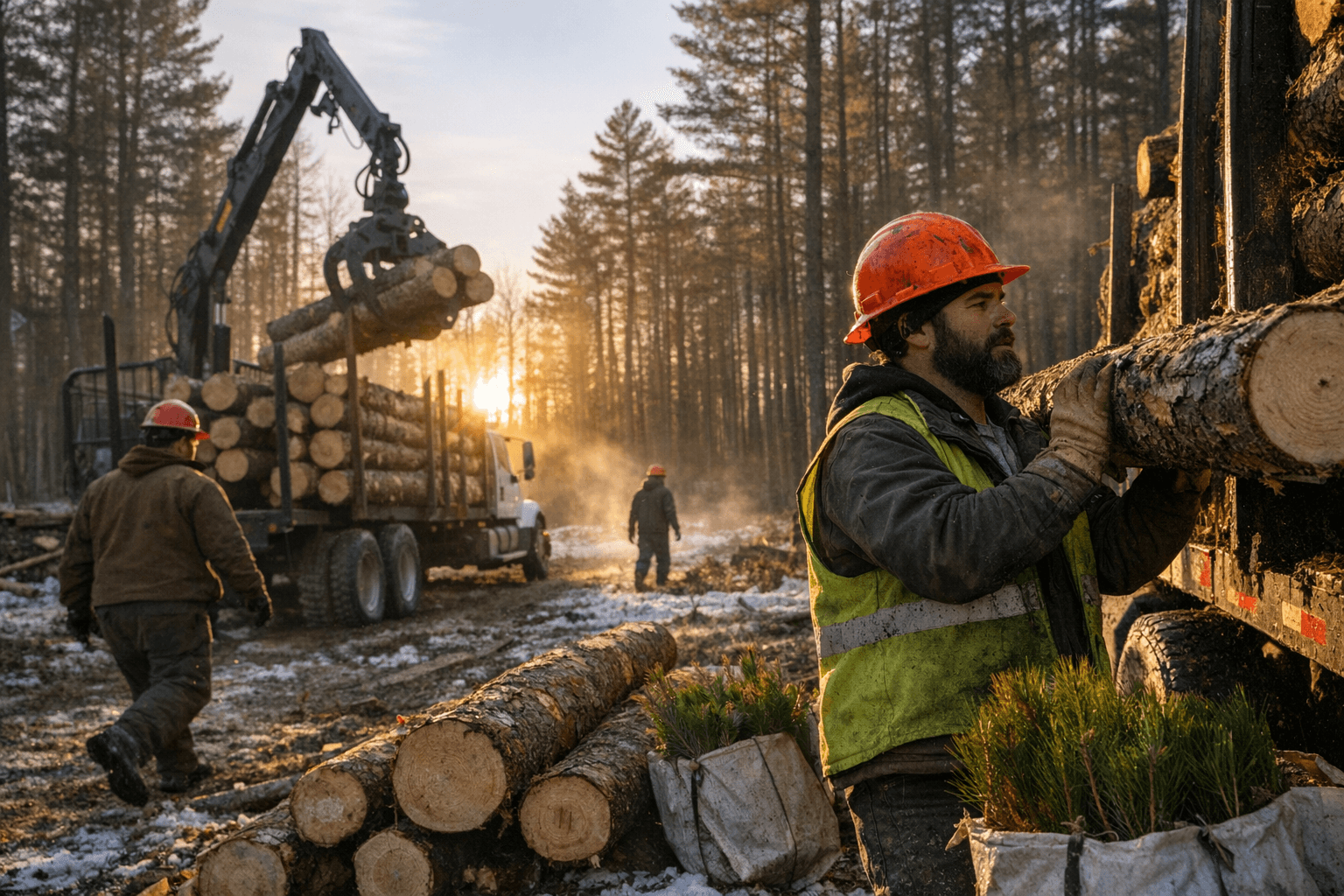
Spring and fall are the most intensive periods for silviculture: planting, site preparation, invasive species control, and prescribed burning. These operations require crews trained in chainsaw work, vegetation management, and fire ecology. Summer typically shifts toward maintenance and non-harvest operations, keeping road systems, equipment fleets, and forest infrastructure in working order. Fall and winter are traditional harvest windows. Cooler, drier conditions reduce soil compaction during timber removal, protecting the forest floor and the long-term productivity of the land.
Winter haul windows are particularly critical to the county's logistics economy. When roads freeze, log trucks can move heavier loads that would damage unpaved roads in warmer months. County road notices and seasonal weight restrictions are not bureaucratic formalities; they are operational signals that logging contractors track closely to schedule hauls and manage fuel and driver costs. Highway departments and tribal forest managers coordinate these windows, and that coordination directly affects how many truck-driving and equipment-operating shifts are available in a given week.
The cumulative effect is a workforce demand profile that spans the full calendar. Skilled machine operators, CDL-licensed truck drivers, mill mechanics, chainsaw crews, foresters, and environmental compliance staff all find work tied to this cycle.
The Neopit Mill and the Local Supply Chain
Menominee Tribal Enterprises and the Neopit sawmill function as the economic anchor of this system. Mill operations produce direct manufacturing jobs and generate a ring of secondary economic activity: equipment supply businesses, maintenance services, trucking contractors, and local retail all benefit from the payroll and procurement activity that flows from active milling.
The supply chain's resilience is visible even in disruption. When mill infrastructure goes out of service, as occurred after a stacker building fire, the procurement, rebuild, and contracting work generated its own layer of local construction and industrial service employment. Rebuild projects funded through federal or tribal grants frequently carry public procurement rules that open subcontracting opportunities to regional contractors, including firms based in and around Menominee County. A mill fire, in other words, becomes a construction employment event for local tradespeople while the broader timber operation continues.
This dynamic illustrates why the Neopit mill is more than a manufacturing facility. It is a node in a supply chain dense enough to absorb economic shocks and redirect spending into local labor markets rather than exporting it to distant contractors.
Stewardship as Economic Infrastructure
The Menominee model's most underappreciated feature may be its predictability. Rotation cycles that conserve old-growth composition while allowing continuous harvest give local employers a reliable planning horizon. A logging contractor in Menominee County is not dependent on a single land sale or a boom-and-bust commodity cycle; the sustained-yield framework produces a consistent timber flow year after year.
That consistency stabilizes community institutions as well. Schools, county services, and local retailers are strengthened when a significant portion of the workforce holds predictable employment rather than enduring seasonal layoffs with no return date. Stewardship, in this context, is not a constraint on economic activity. It is the structural condition that makes economic activity durable across multiple generations.
How Residents and Businesses Can Engage
For anyone looking to connect with forestry-related employment or economic opportunity in Menominee County, the entry points are specific and trackable.
- Job seekers should monitor Menominee Tribal Enterprises postings and tribal human resources announcements for positions in logging, mill operations, forest services, and compliance roles.
- Contractors and construction firms should watch county public works notices and local bid announcements, particularly during mill rebuild or infrastructure replacement cycles when subcontracting opportunities open to regional vendors.
- Landowners near or within the forest management zone need to understand the distinction between tribal trust land and fee land before initiating any harvest, burn notification, or conservation activity; timber sale processes differ significantly depending on land status.
- Community planners and workforce development organizations can maximize local economic capture by investing in CDL training, forestry technician certification, and millwright and mechanic apprenticeships. Every locally trained worker who fills a forestry-adjacent position represents timber-related spending that stays in the county.
Seasonal hauling window notices, burn notifications, and tribal procurement announcements are publicly available and regularly updated. Staying current on these channels is, practically speaking, the difference between capturing local forestry opportunity and watching it pass to contractors from outside the county.
The Larger Case for Aligned Forest and Workforce Policy
Menominee County's model demonstrates what becomes possible when forest management and community workforce development operate in coordination rather than in parallel silos. Sustained-yield forestry creates the timber flow. Skilled local labor captures the value of that flow. Infrastructure investment, from county roads capable of handling winter hauls to training programs that produce certified operators, connects the two.
The result is a rural economy with structural resilience: one that does not depend on a single employer, a single commodity price, or a single federal program. The forest is managed across generations, and the jobs it supports carry the same long-term outlook. That alignment is rare in rural America, and it is worth protecting with the same deliberateness that the Menominee model applies to the land itself.
This article was produced by Prism’s automated news system from verified source data, official records, and press releases, then run through automated quality and moderation checks before publishing. The system is built and supervised by the people who set the standards it runs under. Read our full AI policy.
Did this article answer your question?