Menominee County Sees Record-Breaking Warmth During Early March Heat Surge
Northeast Wisconsin shattered temperature records March 9–10, with Menominee County caught in an extraordinary early-spring warm spell that drew National Weather Service attention.
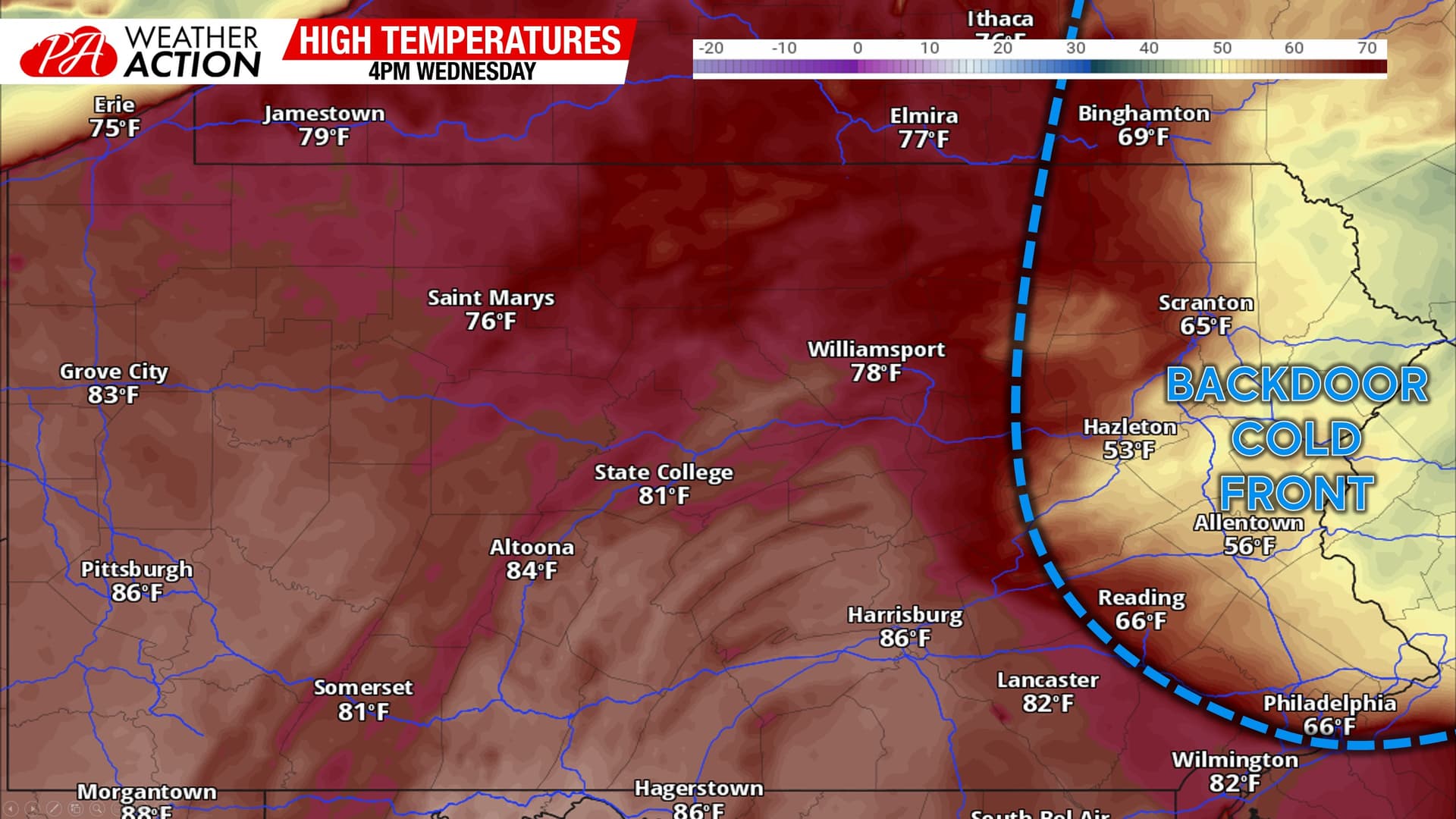
An extraordinary early-spring heat surge swept through Menominee County and across northeast Wisconsin on March 9 and 10, producing record or near-record high temperatures that caught even seasoned meteorologists' attention just weeks into meteorological spring.
The two-day warm spell stood out sharply against historical norms for early March in the region. Local television meteorologists tracked and reported outstanding daytime highs across communities throughout northeast Wisconsin, flagging the event as exceptional for the calendar date. The National Weather Service, responding to the scope and intensity of the warmth, issued related hydrometeorological information tied to the temperature surge, signaling concerns that extended beyond simple record-setting to broader environmental effects in the region.
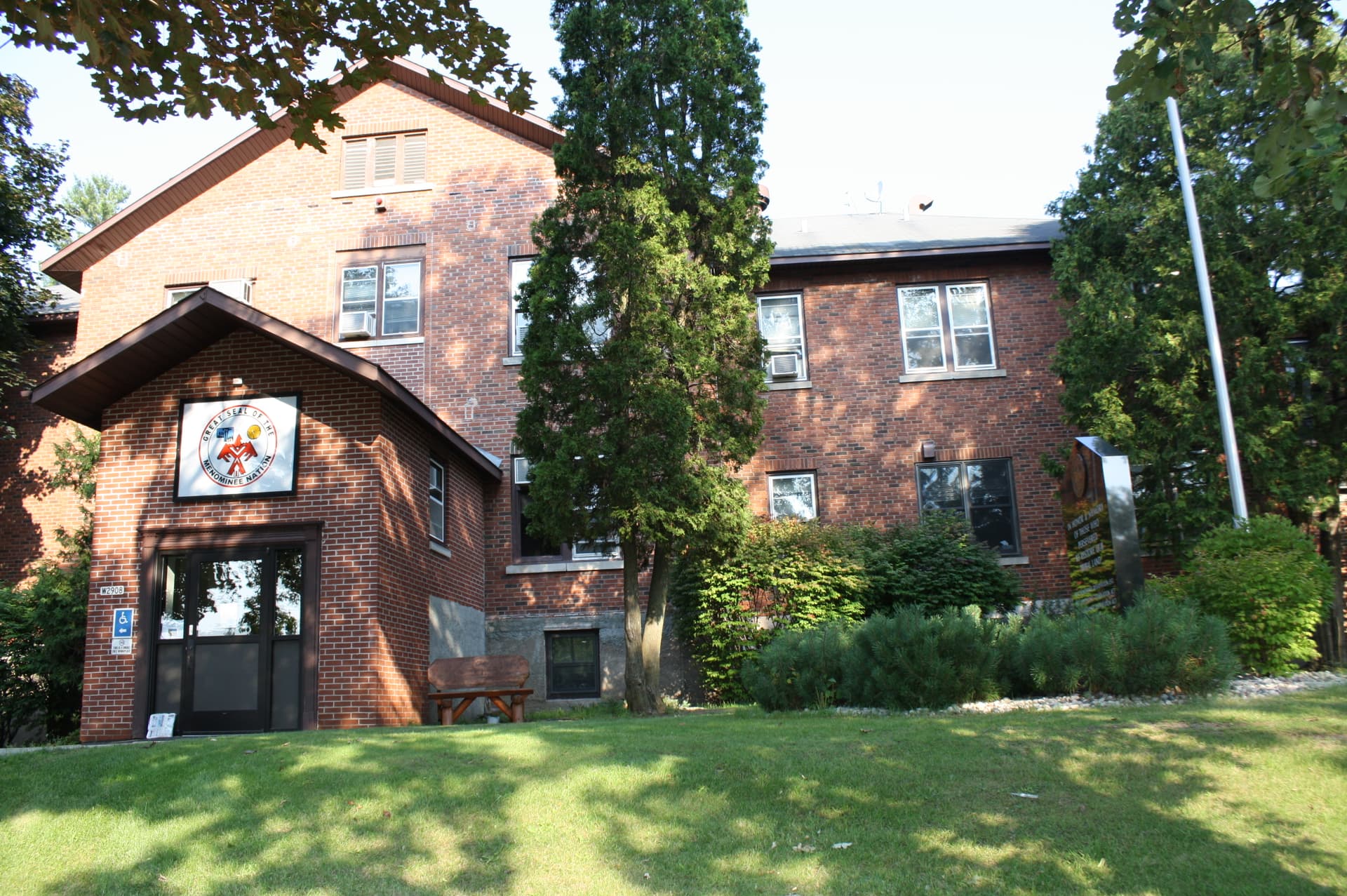
Northeast Wisconsin's early March climate is typically still locked in the grip of late-winter cold, making the March 9–10 readings all the more striking by comparison. Menominee County, situated in the northeastern corner of the state along the Michigan border, experienced the warmth alongside neighboring communities throughout the region.

Hydrometeorological advisories from the National Weather Service in situations like this typically accompany concerns about rapid snowmelt, elevated river levels, or increased runoff potential, though the precise nature of the agency's related guidance was tied directly to conditions on the ground during those two days.
The warm spell arrived and receded quickly, as early-spring temperature anomalies in the Great Lakes region often do. But the record or near-record readings logged across northeast Wisconsin on those two days will remain part of the official climate record for the area, benchmarks against which future early-March temperatures will be measured for years to come.
This article was produced by Prism’s automated news system from verified source data, official records, and press releases, then run through automated quality and moderation checks before publishing. The system is built and supervised by the people who set the standards it runs under. Read our full AI policy.
Did this article answer your question?