Menominee language revival deepens forest stewardship on reservation
A Menominee phrase translated loosely as “all my relatives” turns the forest into family, and that shift is reshaping stewardship across Keshena and Neopit.
Language and land are part of the same lesson
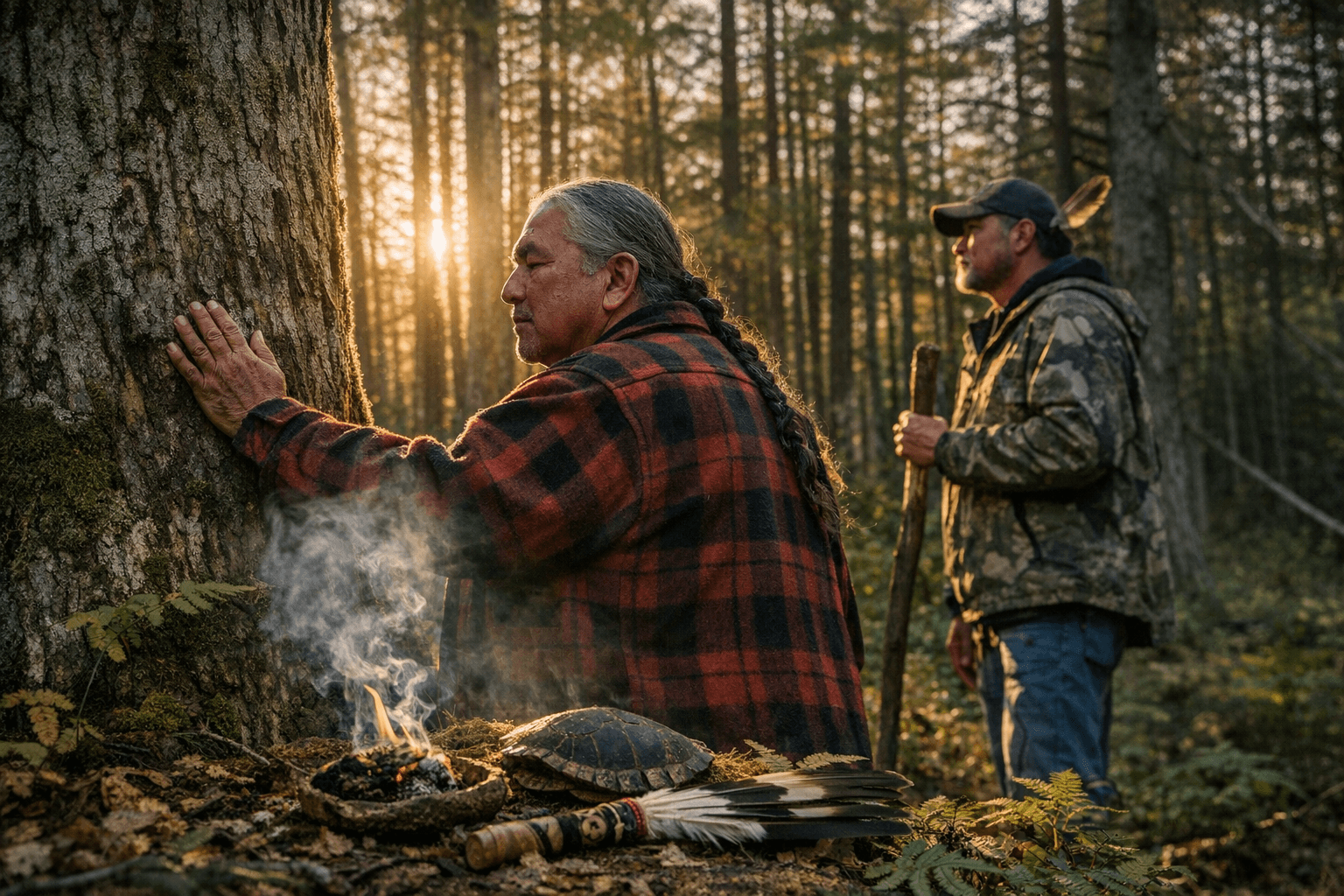
A Menominee phrase translated loosely as “all my relatives” does something more than describe family. It places trees, animals, water and people in the same circle of responsibility, and on a reservation with more than 223,500 forested acres, that idea changes how land is read, managed and protected.
Jennifer Gauthier, who directs the Sustainable Development Institute at the College of Menominee Nation, says the lesson becomes clearer when people learn in the woods rather than only in a classroom. As she puts it, “learning language in the forest changes how people see the forest.” That shift matters in Keshena, Neopit and across the Menominee Reservation because the language is not only preserving words. It is restoring a way of understanding stewardship itself.
A forest shaped by history, not just scenery
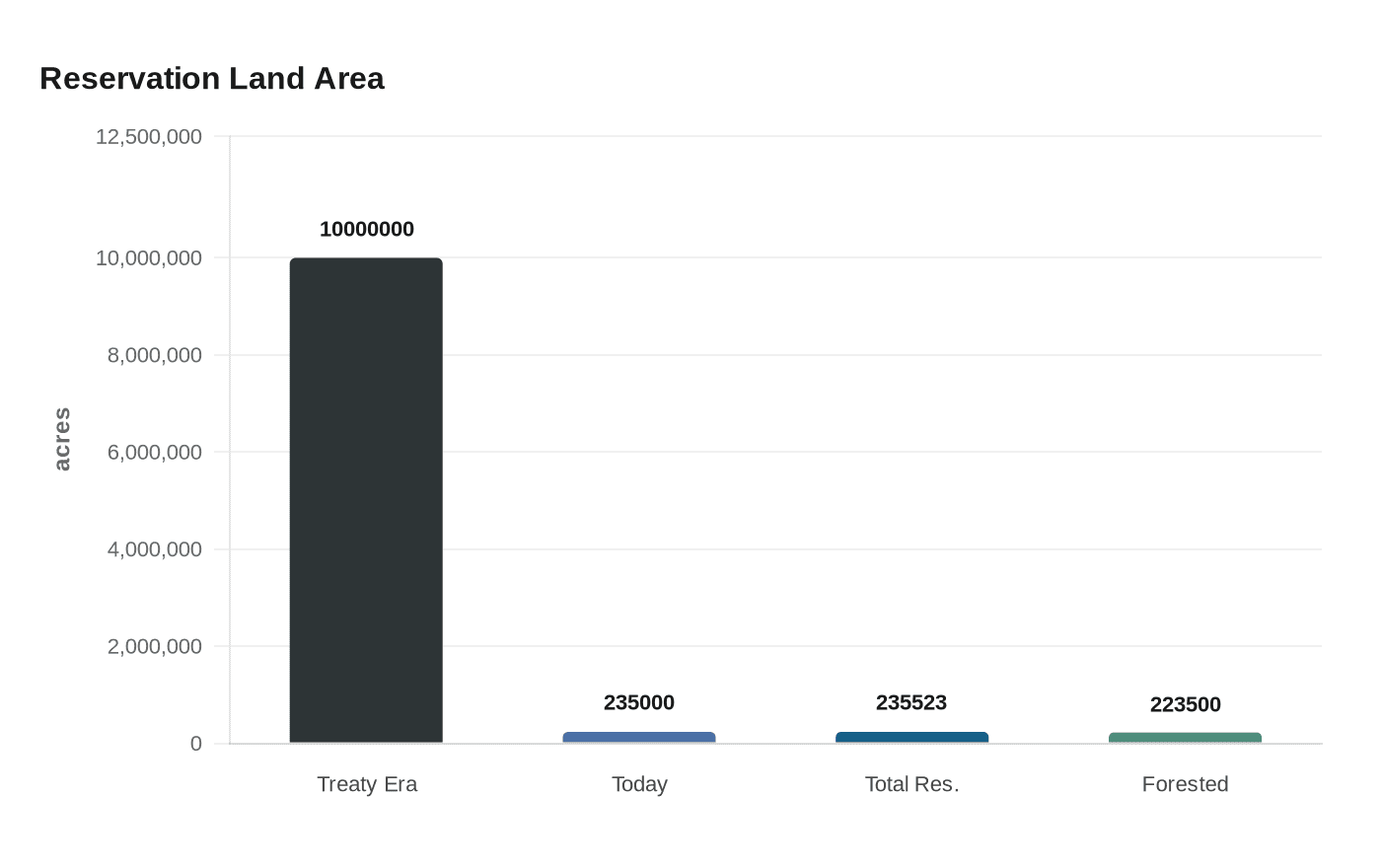
The Menominee Indian Tribe of Wisconsin says its history in this region goes back about 10,000 years. The reservation, established in 1854 through a treaty with the United States, sits on land that was reduced from an estimated 10 million acres at the start of the treaty era to a little more than 235,000 acres today through seven treaties. That history is the backdrop to every conversation about land, sovereignty and the future of natural resources in Menominee County.
What remains is extraordinary. Tribal materials say the reservation covers about 235,523 acres, or roughly 357.96 square miles, and includes about 223,500 heavily forested acres. The tribe describes it as the largest single tract of virgin timberland in Wisconsin, and U.S. Forest Service materials call the Menominee forest an internationally recognized example of sustainable forest management, with boundaries visible from space. That is not just a conservation story. It is a governance story about a people who have kept control of a working forest and built policy around it for more than 150 years.
Menominee forestry is often discussed as an environmental model, but the tribe’s own materials frame it as part of a land ethic rooted in Menominee values. The College of Menominee Nation’s Sustainable Development Institute says it was created to build on those principles and long-standing forestry practices, linking cultural knowledge with modern planning. For a county where forests shape jobs, ceremony, food and identity, that connection is not symbolic. It is practical.
How the language carries forest knowledge
The April 2026 feature puts special emphasis on how Menominee carries a worldview in which nature is not separate from people. Words tied to trees, relatives and traditional practices reinforce a living relationship with the forest instead of a mindset that treats land as a commodity to be used and discarded. In that sense, language functions like a map of responsibility.
That matters because language shapes what people notice. If a tree is discussed only as timber, then a forest becomes inventory. If the vocabulary also carries kinship, seasonal practice and ecological relationships, then the same forest becomes a set of obligations that can guide hunting, harvesting and long-term stewardship. The language revival effort is therefore not a side project to forestry. It is a way of protecting the knowledge system that makes sustainable forestry possible.
An immersion program built into daily life
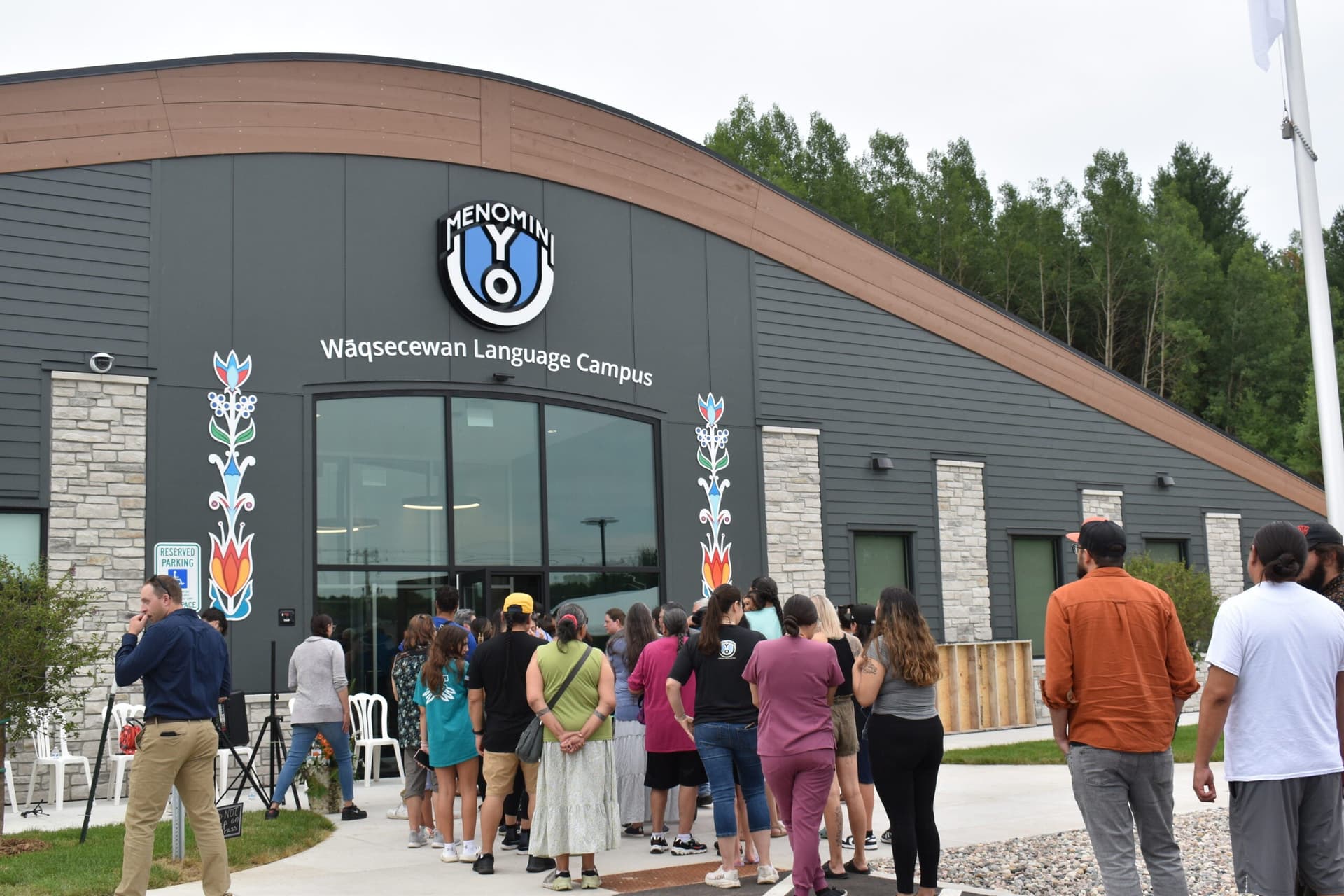
The tribe has moved to make that knowledge part of everyday education. Tribal materials say the immersion concept began in 2017 with daycare and Head Start, creating an environment where children can hear the language from birth. The Menominee Tribal Legislature approved a plan to support and fund the Immersion Language Program, signaling that this is a governance priority, not an extracurricular effort.
The scale of the work also shows how seriously the tribe is treating the language pipeline. Tribal documents note that 42 enrolled tribal members are certified to teach Menominee language. A department listing in 2026 shows multiple immersion trainees and instructors active in the Menominee Language and Culture Department, which suggests a growing workforce of teachers rather than a single generation of fluent speakers carrying the burden alone.
That institutional base matters because language recovery is fragile work. Wisconsin Life reported in 2013 that fewer than 20 people spoke Menominee fluently. Later reporting found that teaching the language in schools helped spark interest in cultural heritage and academic success. Taken together, those details show a community that has moved from near-loss toward rebuilding, step by step, through classrooms, family learning and tribal policy.
Why this matters for Menominee County now
For local families, the stakes reach beyond cultural pride. The Menominee forest is a source of employment, but it is also the basis for tribal decision-making, environmental health and intergenerational knowledge. When children learn Menominee in settings that include the forest, they are also learning how to interpret the land that supports their community and how to carry forward the rules that keep it healthy.
That is why this story is larger than language revival alone. It is about whether the tribe can keep strengthening control over its own land base, resource management and educational systems after centuries of dispossession. A forest that has remained productive for more than 150 years did not stay that way by accident. It stayed that way because Menominee governance, culture and stewardship were kept in conversation.
In Keshena, Neopit and the rest of the reservation, the revival of Menominee is helping make sure that conversation continues.
This article was produced by Prism’s automated news system from verified source data, official records, and press releases, then run through automated quality and moderation checks before publishing. The system is built and supervised by the people who set the standards it runs under. Read our full AI policy.
Did this article answer your question?