Regalia circle helps Menominee tribal members preserve cultural traditions
Candace Leaman's regalia circle keeps Menominee skills alive in Neopit, where youth, elders and family makers pass traditions forward.
A working space for living tradition
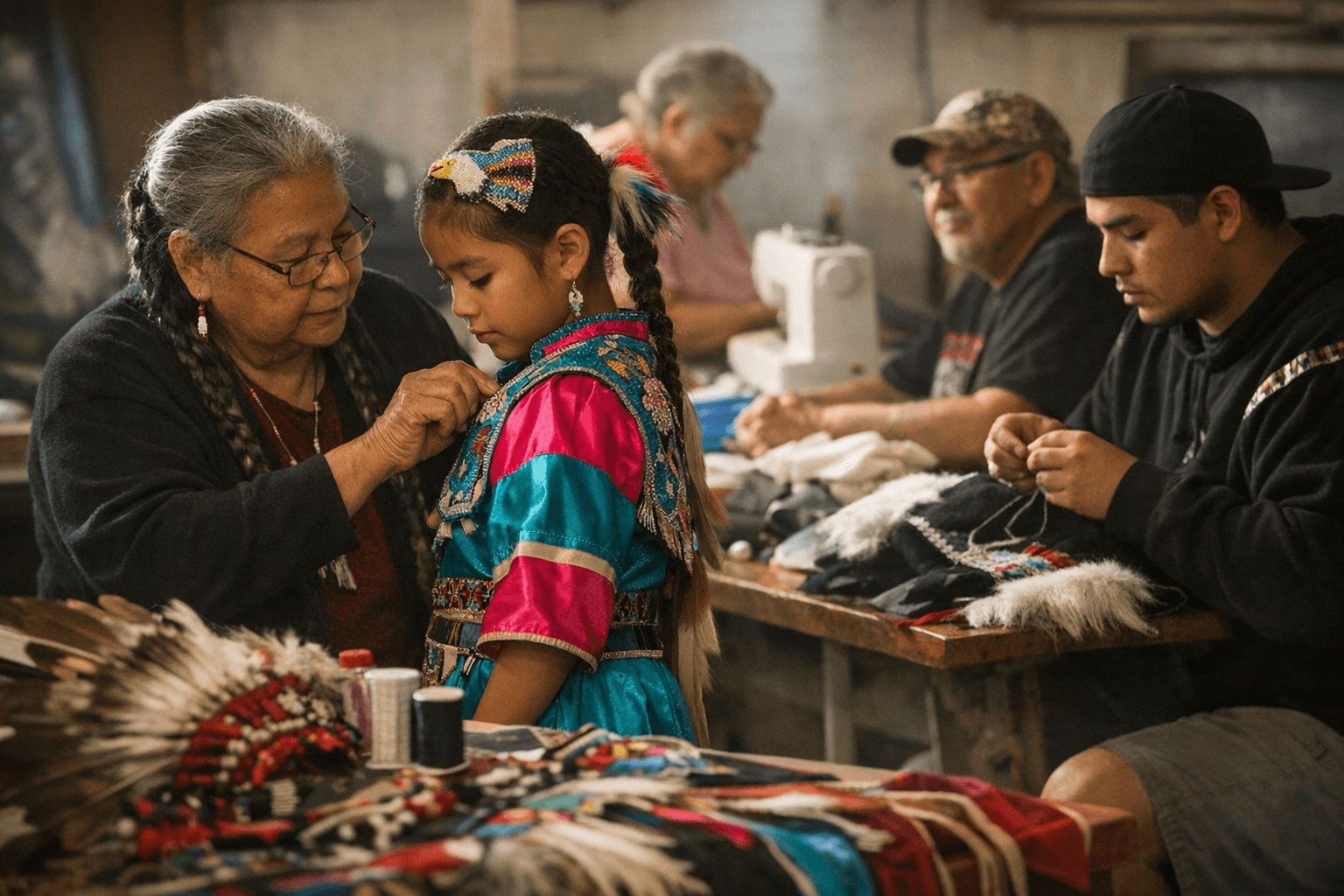
Candace Leaman is carrying forward a regalia circle in Neopit that keeps Menominee traditions in motion, not in storage. In a county-reservation area that spans 235,000 acres, with 233,000 acres in trust status and about 217,000 acres in commercially forested land, that kind of cultural work is part of the region’s core infrastructure, not a side interest.
The circle matters because it turns making into teaching. Sewing, designing, repairing and wearing regalia are all part of a shared practice that supports powwows, ceremonies, school events, family gatherings and personal expression. Younger members learn the steps, experienced makers show the methods, and elders help keep the rules of respect, patience and craftsmanship intact.
A decade of work, and a move that signals staying power
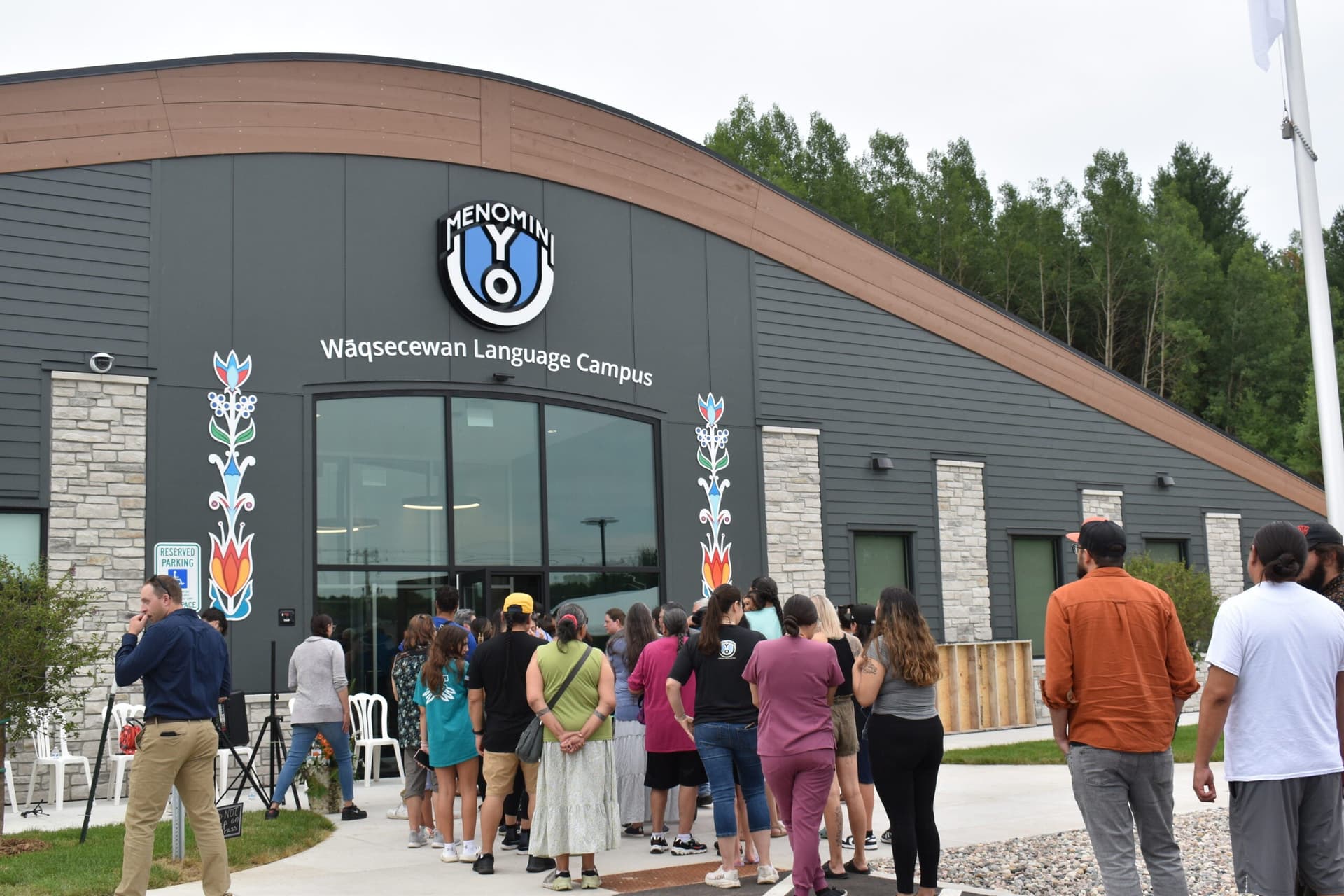
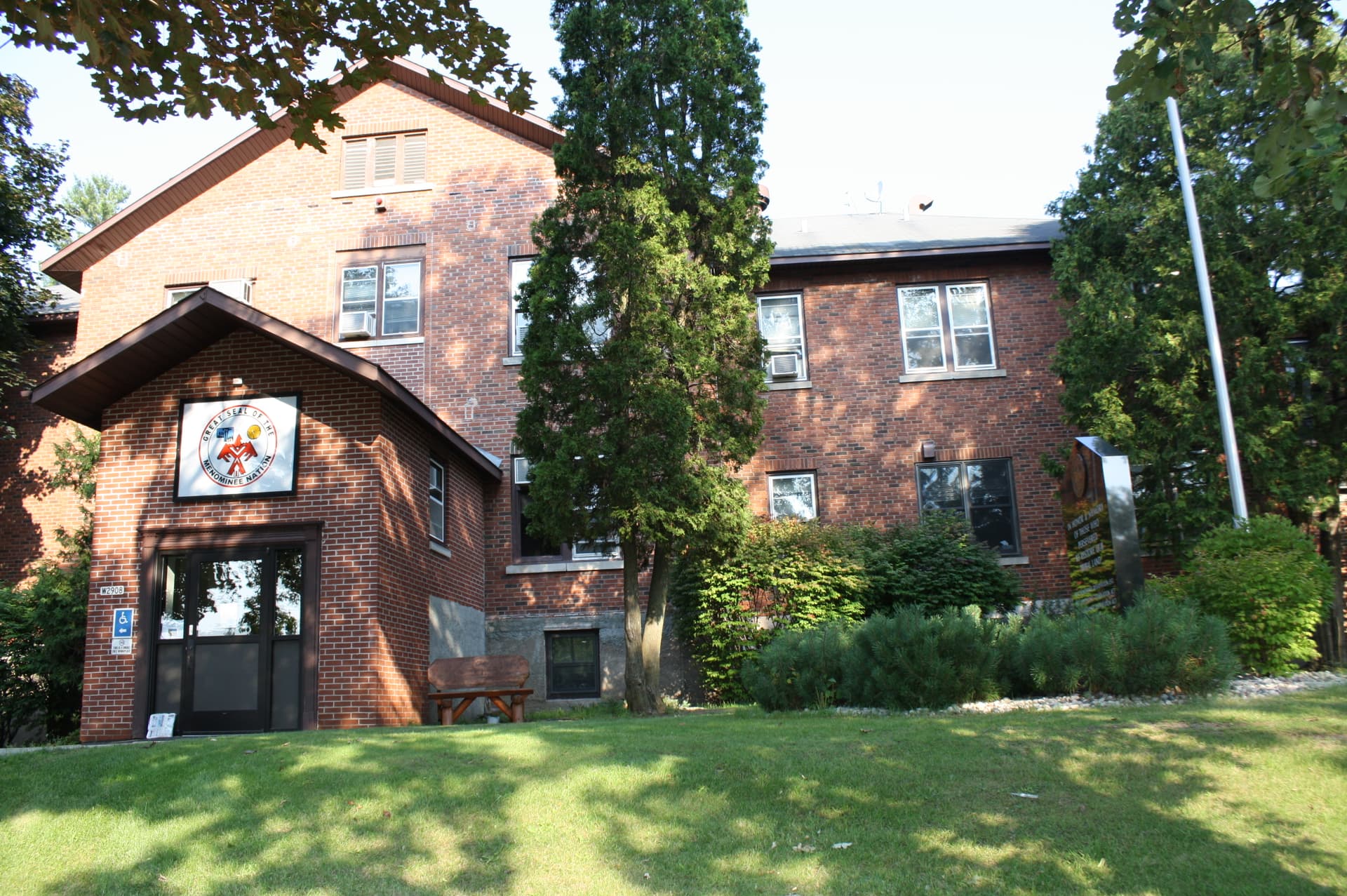
The Regalia Circle has deeper roots than a single season of attention. Tribal community updates say it was established by Candace Lehman about ten years ago, which puts the group in the category of an institution, not a one-off project. Over time, it has also changed locations, moving from Keshena to Neopit and from the Menominee Indian Tribe Agriculture Department’s Community Kitchen to the Menominee Tribal Police precinct building.
That relocation says something important about the circle’s place in tribal life. It is not tucked away as a private club or occasional craft session. It has a physical home inside a tribal setting, where community members can gather, work and pass along knowledge in a space tied to governance, safety and daily operations.
The practical value of that kind of continuity is easy to miss if regalia is seen only as art. In reality, it is a living system of skill transfer. A finished outfit carries hours of labor, but it also carries the lesson that cultural knowledge survives when people meet regularly, work with their hands and learn from one another in person.
Why place matters in Menominee County
The Menominee Nation’s cultural work is rooted in a landscape where tribal identity and civic life overlap closely. The tribe traces its creation to the mouth of the Menominee River, about 60 miles east of the present Menominee Indian Reservation, and identifies five ancestral clans: Bear, Eagle, Wolf, Moose and Crane. That history gives present-day regalia work a clear line back to place, lineage and community belonging.
In a county whose boundaries are nearly coterminous with the reservation, culture is not happening somewhere far removed from everyday life. It is unfolding in the same geographic and institutional space where tribal members live, work, vote, learn and gather. That makes a regalia circle more than a craft room. It is a local institution helping keep Menominee traditions visible in public life.
That visibility matters for children and young adults as much as it does for elders. When regalia-making is practiced in an active community setting, younger members are not only told what the traditions mean. They see how those traditions are maintained, repaired, worn and explained. That is how identity becomes something lived rather than merely remembered.
What the circle teaches, beyond sewing
Regalia-making demands patience and community connectedness, and those two qualities are central to what the circle offers. The work teaches accuracy, design, beadwork, repair, and the discipline to finish something carefully rather than quickly. It also teaches how to ask questions, how to listen and how to take direction from people who have already spent years learning the craft.
That educational value is why regalia circles matter for intergenerational learning. Elders have a place to teach in a respectful setting. Parents and grandparents can bring children into a shared activity that connects handwork to heritage. And tribal members who may not have grown up with the same opportunities can still learn how to create and wear regalia in a way that reflects community standards.
The result is not just a garment. It is a visible sign that traditional knowledge remains active in daily life rather than being confined to archives, museum displays or anniversary celebrations. A circle like this keeps cultural memory in circulation, where it can be corrected, strengthened and passed on.
Support from wider educational efforts
The Menominee circle also fits within a broader educational movement. Wisconsin 4-H launched a Regalia Making Project Guide in 2025, describing it as a national award-winning, peer-reviewed, six-activity project. University of Wisconsin Extension says the guides are designed to help Native youth learn about their culture, build skills and express identity through traditional regalia.
That broader framework reinforces what community makers already know. Regalia is not just decorative work. It is an educational process that blends cultural knowledge, technical skill and personal expression. The extension materials also note that regalia-making requires patience and community connectedness, which is exactly the kind of environment a circle can provide.
The point is not to replace community teaching with curriculum. It is to show that formal educational institutions now recognize what tribal communities have long practiced. Regalia-making works best when it is shared, supervised and grounded in relationships that reward care over speed.
Public stages keep the tradition visible
Menominee public life gives that teaching a stage. Woodland Bowl in Keshena remains a ceremonial space and longtime host of the Menominee Nation Contest Powwow, which local coverage says has been held for nearly six decades and draws contestants and spectators from across North America each August. That kind of gathering keeps regalia in motion, where it belongs.
Another sign of that ongoing public presence came at the 33rd annual Sturgeon Feast and Celebration Powwow, held on April 12, 2025 at Menominee Nation High School. Events like that show how regalia, dance and ceremony remain recurring parts of community life, not occasional displays.
Taken together, the circle, the powwow grounds and the school gatherings form a practical cultural network. The regalia circle supplies the skills. Woodland Bowl and other public venues give those skills a place to be seen. And the broader tribal community supplies the reason to keep going.
Without spaces like this, much more would be lost than costumes or craft techniques. The county would lose a setting where children learn from elders, where tribal members practice identity in public and where Menominee traditions stay visible in the places where everyday life happens. The circle keeps that knowledge moving, one careful stitch at a time.
This article was produced by Prism’s automated news system from verified source data, official records, and press releases, then run through automated quality and moderation checks before publishing. The system is built and supervised by the people who set the standards it runs under. Read our full AI policy.
Did this article answer your question?