Menominee River Canoe Journey Reinforces Heritage and Environmental Stewardship
Recent Menominee River canoe journeys and Protectors of the Menominee River activities reaffirm the river's role as a cultural and communal anchor, centering places such as the 60 Islands area in Menominee heritage. The gatherings matter to residents because they sustain traditional practices, support local visitors and businesses, and spotlight ongoing stewardship against proposed mining projects that could affect water and cultural sites.
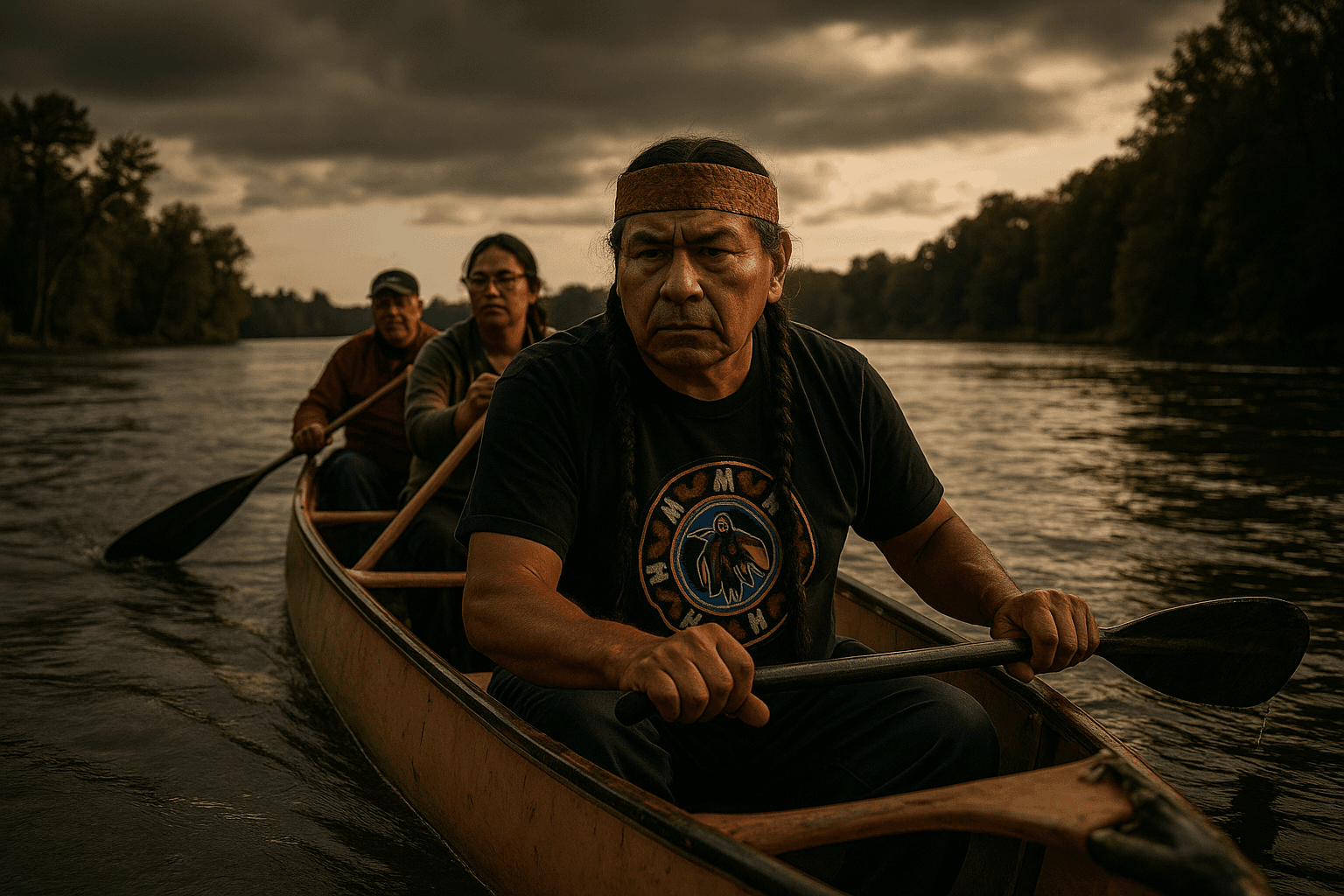
Community paddlers and stewardship groups have once again drawn attention to the Menominee River as a living cultural landscape. Recent Menominee on the Menominee Canoe Journey events brought local participants and visitors together to practice seasonal traditions at culturally significant places, including the 60 Islands area. Parallel activities by Protectors of the Menominee River emphasized community participation in protecting those places from proposed mining projects that residents and tribal members say could threaten water quality and cultural resources.
The canoe journey serves both ceremonial and public roles. It reconnects Menominee people and neighboring communities to traditional practices while providing a visible demonstration of collective care for the river. For Menominee County the event also has economic dimensions. Local outfitters, lodges, restaurants and other small businesses see increased activity during journey weekends and related gatherings, and visitors who come for the river bring spending that supports a seasonal tourism pattern across the county.
Stewardship actions by community groups have focused attention on the 60 Islands area and other cultural sites identified as central to Menominee heritage. Those efforts include monitoring river access points, organizing educational paddles and coordinating with tribal leaders to assert the river as a priority in land use and environmental reviews. The concern is that proposed mining projects upstream or nearby could introduce risks to fisheries, recreation and cultural places that are interwoven with local identity and livelihoods.
The situation underscores a common policy tension in rural counties where resource development proposals intersect with cultural preservation and tourism based economies. Local leaders and residents face questions about how to weigh potential jobs and investment against possible long term impacts on water, fish and cultural sites. State and federal permitting processes will shape outcomes, and community engagement during those reviews can influence mitigation measures or conditions placed on proposals.
For Menominee County residents the canoe journey is more than a seasonal event. It is a recurring assertion of stewardship and place based identity that connects cultural continuity to everyday economic and environmental choices. Continued community participation and careful attention to regulatory processes will determine how the river and its cultural places are protected for future generations.
This article was produced by Prism’s automated news system from verified source data, official records, and press releases, then run through automated quality and moderation checks before publishing. The system is built and supervised by the people who set the standards it runs under. Read our full AI policy.
Did this article answer your question?