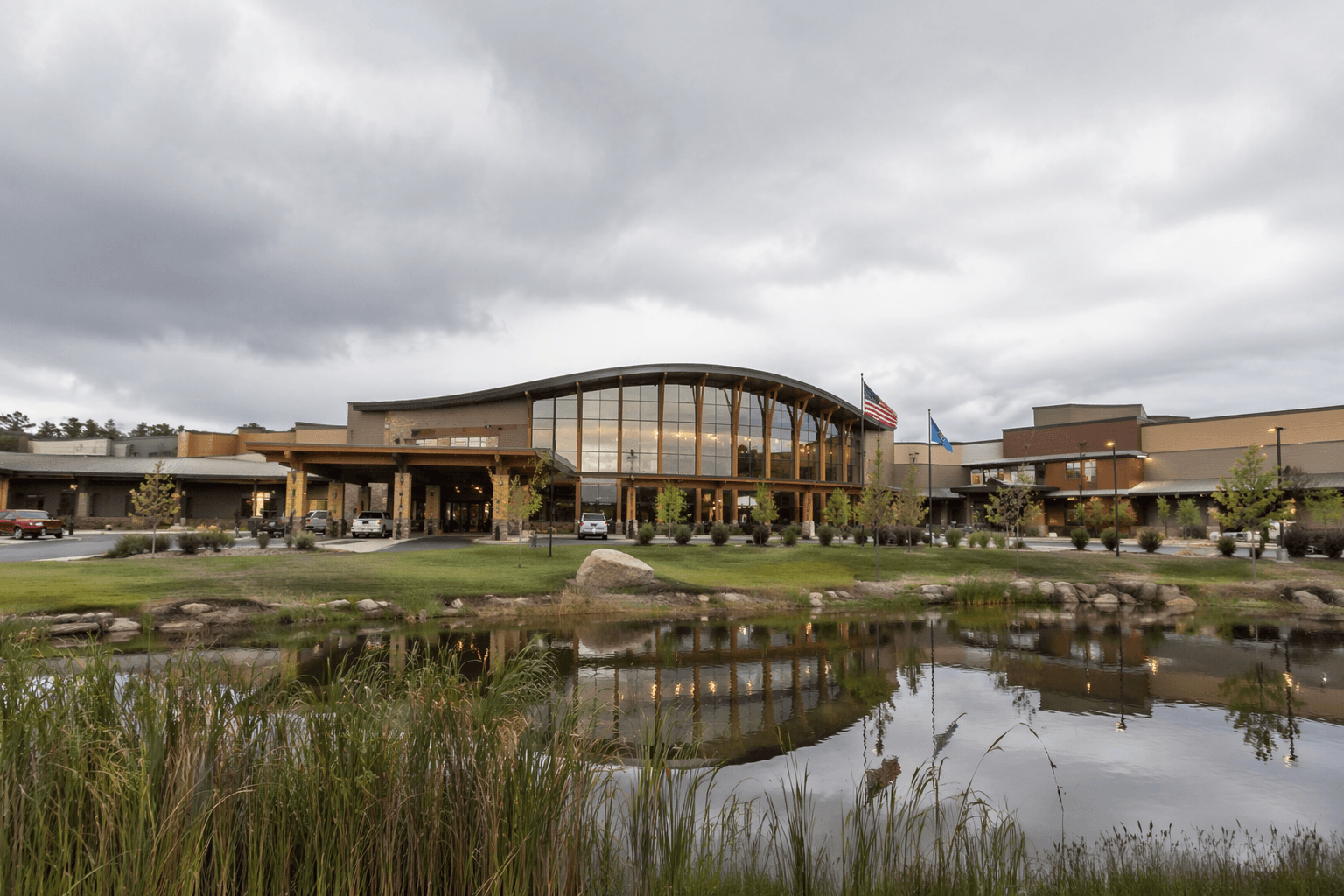
Menominee Tribal Enterprises Drives Tribal Economy Through Sustainable Forestry
Menominee Tribal Enterprises generates 20% of all county jobs and $96M in economic output, proving 150 years of sustainable forestry can anchor a rural tribal economy.

Menominee Tribal Enterprises employs 457 people, accounts for one in five jobs in Menominee County, and has been harvesting the same forest for 150 years without depleting it. That combination of economic weight and ecological discipline is what makes the Neopit-based operation one of the most closely studied forest enterprises in the Upper Midwest.
Owned by the Menominee Indian Tribe of Wisconsin, MTE serves as the primary economic engine of the reservation, which straddles the area near Neopit and Keshena. The company describes itself as "The Forest Keepers," and that tagline carries institutional weight: the Menominee forest has been continuously and sustainably managed longer than Wisconsin has been a state.
What MTE Actually Does
MTE manages sustainable harvesting across the Menominee Forest and operates a sawmill and manufacturing operation that converts timber into finished lumber and forest products. The company emphasizes what it calls "strong vertical integration between the woods and the mill," meaning the chain from standing tree to finished board is controlled entirely within the enterprise. That integration gives MTE quality control advantages that outside suppliers cannot easily replicate, and it keeps more economic value inside the reservation rather than leaking to downstream processors.
The product line reaches far beyond raw lumber. MTE supplies wood brokers and exporters, lumber yards, basketball court manufacturers, furniture and cabinetry makers, pallet producers, construction firms, and interior designers. The company serves clients across Wisconsin, including major markets in Milwaukee, Green Bay, Madison, Appleton, Eau Claire, Oshkosh, Manitowoc, Wausau, Waupaca, and Sheboygan. Its reach extends beyond the state: MTE describes itself as "an internationally recognized sustainable wood supplier," and the credentials backing that claim are specific and verifiable.
Certifications That Open Markets
MTE holds Forest Stewardship Council certification under code FSC C008058, one of the most recognized sustainability credentials in global timber markets. The company is also NHLA Certified through the National Hardwood Lumber Association, a grading standard that reassures buyers about dimensional consistency and quality. MTE is additionally a member of the U.S. Green Building Council, which connects the company to the LEED building certification system. MTE explicitly markets its wood as "chemical-free FSC and LEED certified," a specification that matters to architects and contractors pursuing green building ratings.
Together, these certifications allow MTE to compete in premium markets where buyers actively seek verified sustainable sourcing. The ability to say the wood comes from a forest managed continuously for 150 years, with FSC documentation to prove it, is a competitive differentiator that no recently certified competitor can replicate.
The Economic Numbers
A regional economic analysis using an input-output model built for Menominee County and the surrounding region, including Langlade, Oconto, and Shawano Counties, produced the most detailed picture available of MTE's local impact. The 2007 findings remain the benchmark for understanding the company's scale relative to the county economy.
In that year, MTE represented roughly 20 percent of all jobs generated in Menominee County and accounted for 18 percent of direct worker compensation countywide. Total economic output attributable to the company reached just over $96 million. The indirect and induced economic multiplier for MTE activity was calculated at approximately 1.13, a figure that the analysis explicitly connects to "the generally non-diverse and rural nature of the Menominee County economy." In practical terms, that multiplier generated 67 additional jobs beyond MTE's direct workforce, bringing the total employment impact to 524 jobs across the region. The majority of those additional jobs fell in non-MTE manufacturing, forestry, and service sector activities in the surrounding counties.
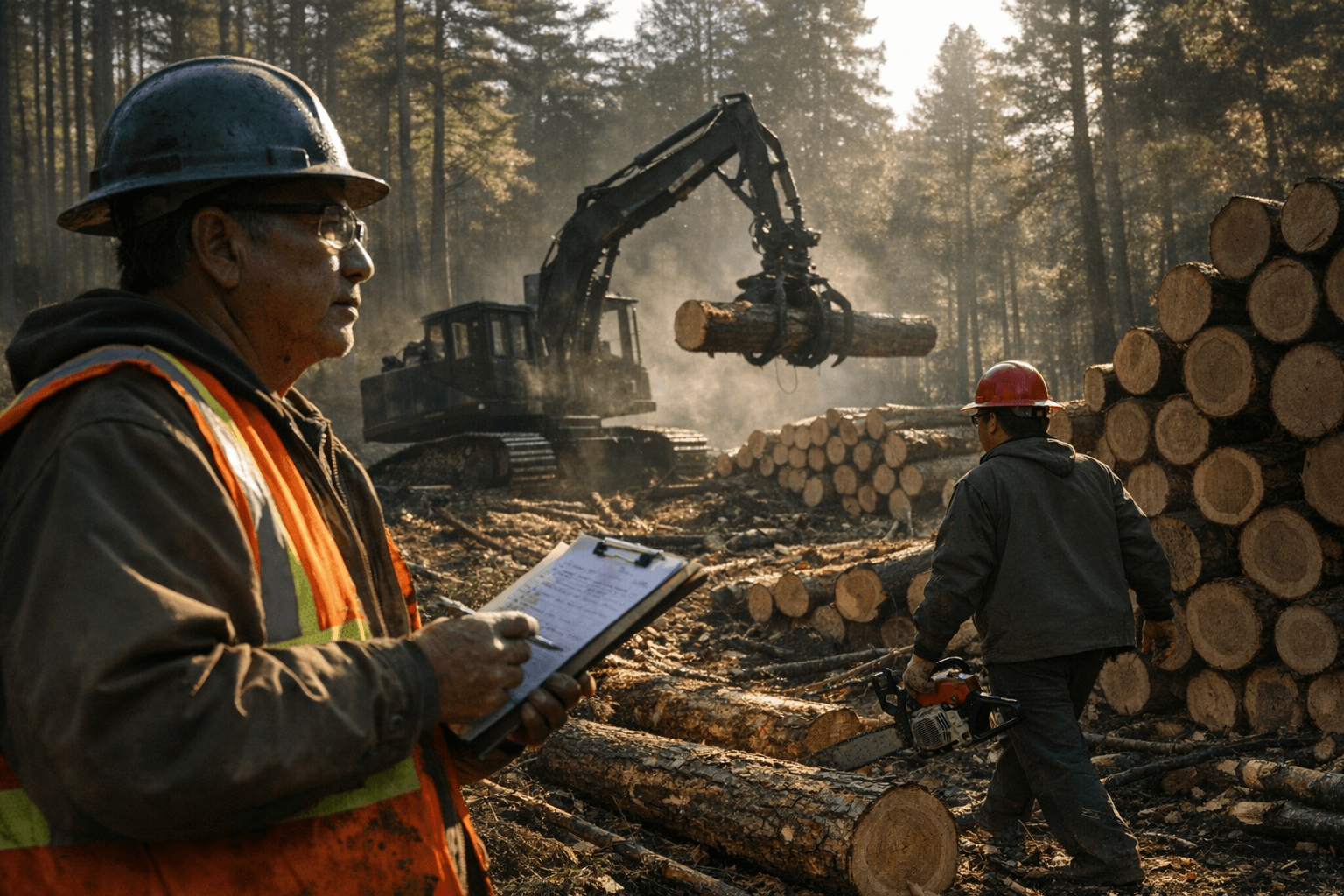
Of MTE's 457 direct jobs, 257 employees reside within Menominee County itself. The analysis notes that a significant share of workers commutes from outside the county, which means wage income earned at MTE partly flows into consumption in neighboring communities rather than circulating entirely within Menominee County. That dynamic limits the local multiplier effect and is one reason the 1.13 figure remains relatively modest. Understanding that leakage is important for county planners thinking about how to deepen MTE's benefit to resident households.
Navigating Market Pressures
MTE's strategic position is strong but not without pressure. The forest products market has faced competition from rising import volumes and periodic downturns in residential construction demand. Economic analysis of MTE's market context identified three strategic priorities for the company: distinguishing itself as a leader in sustainably harvested wood, exploring new production efficiencies, and seeking value-added product opportunities. MTE's FSC and LEED certifications directly address the first priority, giving buyers documented proof of responsible sourcing at a time when greenwashing is a recognized risk in commodity markets.
The push toward value-added products is particularly significant for a rural county economy. Moving further along the manufacturing chain, from raw lumber toward finished components or specialty wood products, would increase the wages and skill levels associated with each unit of output, and potentially raise the multiplier above its current 1.13 level. That is the logic behind sustainability-based differentiation as an economic development strategy, not just an environmental one.
Careers and Hiring
MTE actively recruits across multiple job categories, from entry-level fieldwork to professional and technical roles. Current and posted positions have included Forestry Project Intern A and B, Millwright/Trainee, MTE Operations Administrator, and BIL Fuels Technician. Hourly and non-professional positions can be reached through Jobs@MTEwood.com, while professional positions use a separate channel at ProJobs@MTEwood.com. The company also accepts applications by mail, in person, and by fax, though specific addresses are best confirmed directly through MTE's offices in Neopit.
For anyone in Menominee County looking for stable, year-round employment connected to the land, MTE represents one of the county's most consistent employers. The forestry and manufacturing operation runs on a long cycle, not the quarterly volatility that drives layoffs in other industries. A forest managed for 150 years is by definition a long-term employer.
A Model Worth Watching
MTE's mission statement commits the company to "serving the needs of our forest, employees, wood products customers, tribal community, and future generations." That sequencing is intentional. The forest comes first because without sustained yield management, there is no mill, no payroll, and no economy. The Menominee approach to that sequencing has drawn recognition from researchers and forest certification bodies alike, describing MTE as "distinct in its rich history and experience in forest management."
As global markets continue to demand verified sustainable sourcing and green building materials, a tribal enterprise that can document 150 uninterrupted years of responsible stewardship holds an advantage that no competitor can manufacture overnight.
This article was produced by Prism’s automated news system from verified source data, official records, and press releases, then run through automated quality and moderation checks before publishing. The system is built and supervised by the people who set the standards it runs under. Read our full AI policy.
Did this article answer your question?