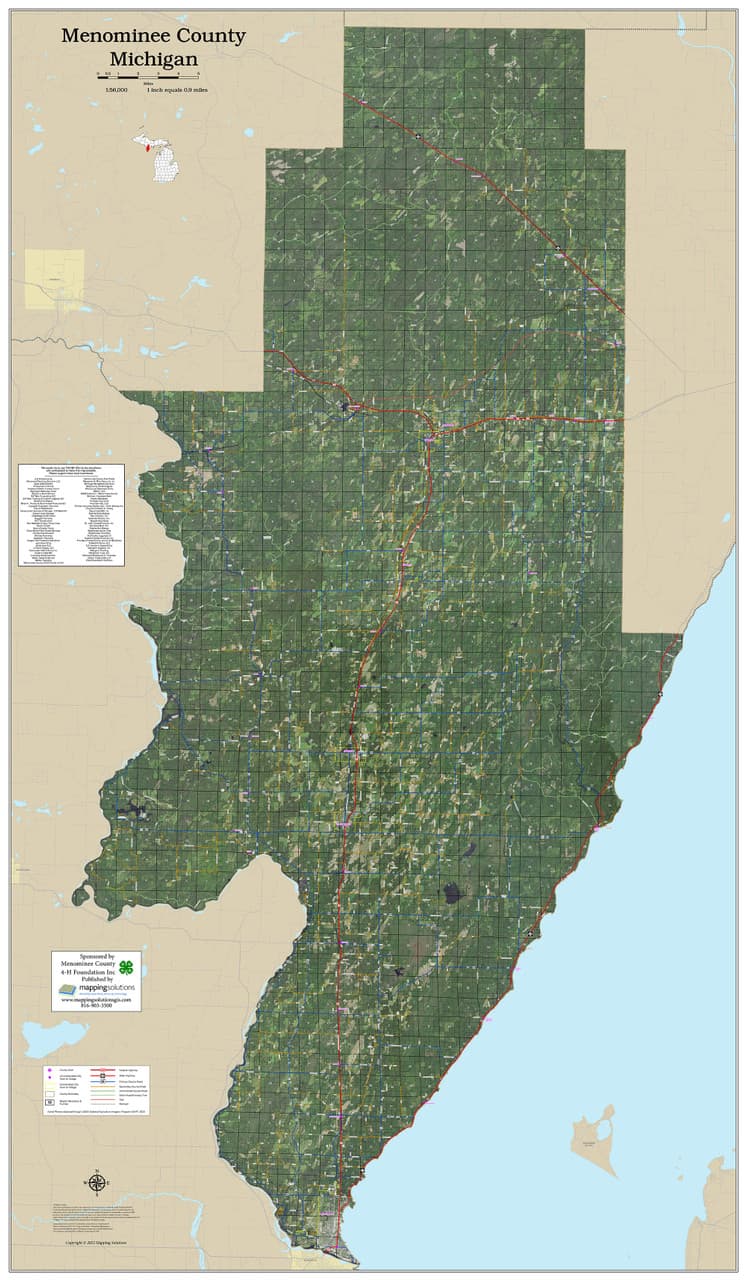
Menominee Tribe skips primary, sends legislature race to January election
The Menominee Tribal Legislature race skips a primary after the certified field fell short of the tribe’s threshold, sending voters straight to the January main election.
The Menominee Indian Tribe of Wisconsin is sending its legislature race straight to the January main election after the number of certified candidates fell short of the threshold that would have triggered a primary. For enrolled tribal members in Keshena, Neopit, Zoar and other parts of the Menominee Indian Reservation, the notice means there will be no preliminary cut, only the main ballot.
The tribe’s election code says a primary is held only when the number of candidates exceeds twice the number of offices to be filled. The Menominee Tribal Legislature is a nine-member governing body elected by enrolled tribal members, and the tribe’s election code was adopted on July 20, 2007, then amended in its entirety on Aug. 5, 2010. The Constitution and Bylaws also give the Menominee Tribal Election Commission authority to issue rules needed to carry out tribal election ordinances.
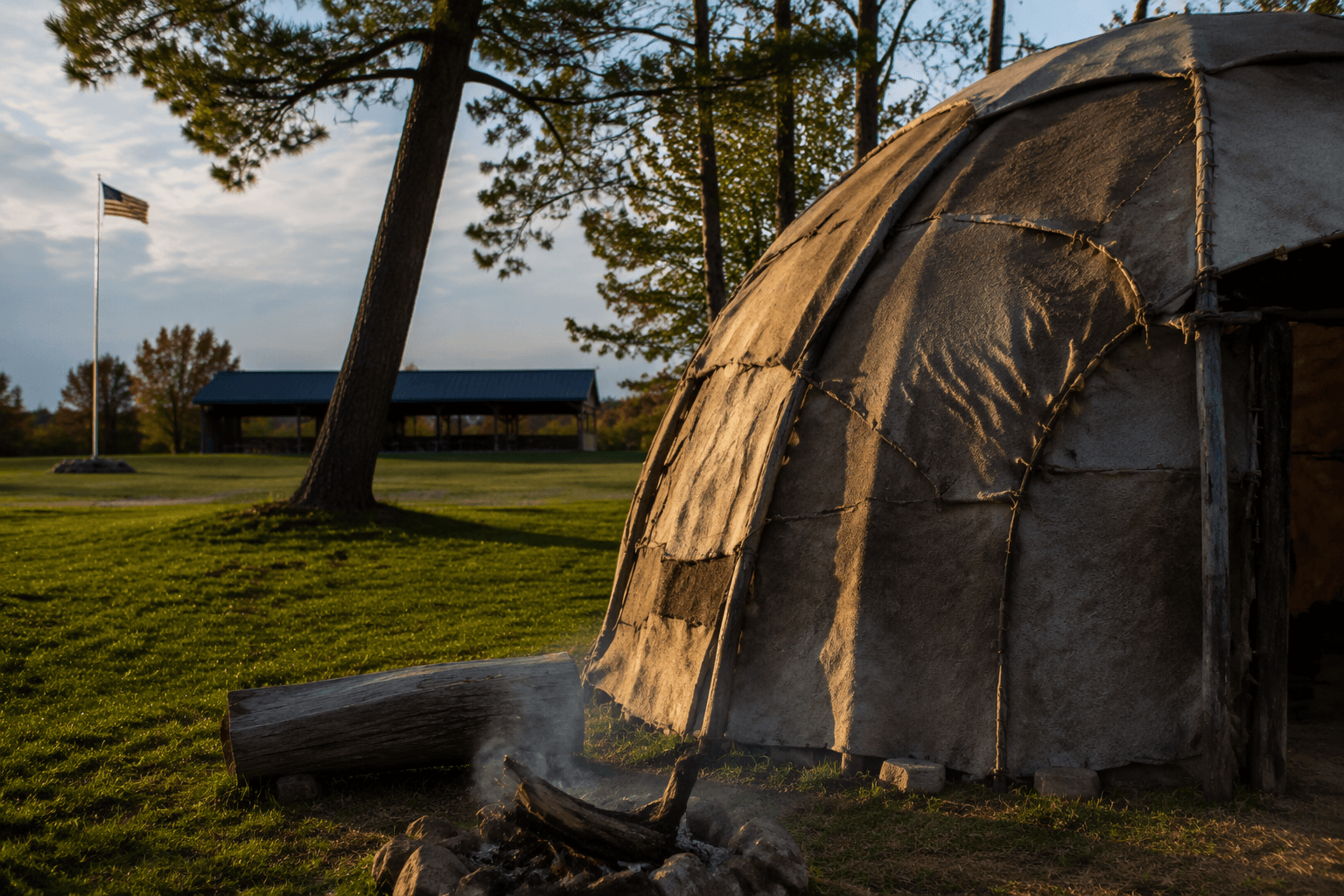
That structure matters because the legislature handles the decisions that shape everyday governance in Menominee County and on the reservation, including housing, land use, cultural programming, natural resources and public safety. On Jan. 16, 2025, the legislature approved the 2025-2028 hunting and trapping rules and regulations, a reminder that the election is tied directly to policy choices affecting the Menominee Nation’s daily operations.
The tribe’s own history puts the current election process in a longer frame. Tribal members became able to elect an advisory board in 1928, and federal Indian affairs records describe one Menominee vote as the first election since restoration to federal status. The move from advisory representation to a formal legislature reflects that history of rebuilding tribal government through elections.
A previous Menominee Tribal Legislature general election, held Jan. 14-15, produced three winners for three-year terms. Marcus Grignon received 319 votes, Daynell Grignon 310, and Kaycee Wayka 260. Other candidates in that race included Craig Corn, Margaret Snow, John J. O’Kimosh, Gunnar Peters and Michelle P., showing how closely watched the legislature contests can be when seats are on the line.
For this cycle, the practical change is simple: the certified names go directly to the January ballot, and voters will decide the next legislature without a primary step in between.
This article was produced by Prism’s automated news system from verified source data, official records, and press releases, then run through automated quality and moderation checks before publishing. The system is built and supervised by the people who set the standards it runs under. Read our full AI policy.
Did this article answer your question?