Wisconsin Supreme Court backs Menominee Tribe in land trust dispute
A 4-3 ruling cleared the Menominee Tribe’s path to seek trust status for 21.35 acres at Legend Lake, shielding the tribe and Guy Keshena from the lawsuit.

On June 23, 2026, the Wisconsin Supreme Court ruled 4-3 that the Menominee Indian Tribe of Wisconsin is protected by tribal sovereign immunity in the Legend Lake land dispute. The court also held that immunity extended to tribal member Guy Keshena, whose purchase of more than 30 parcels in the Legend Lake development had been targeted in the lawsuit.
The case centered on 21.35 acres in Menominee County that Keshena bought in 2017 with tribal authorization and intended to place into federal trust. If approved, the land would become tax-exempt and fall under federal and tribal jurisdiction instead of remaining on the county tax rolls. The Legend Lake Property Owners Association sued in 2018, arguing that restrictive covenants adopted in 2009 could block the transfer and preserve local control over the parcels.
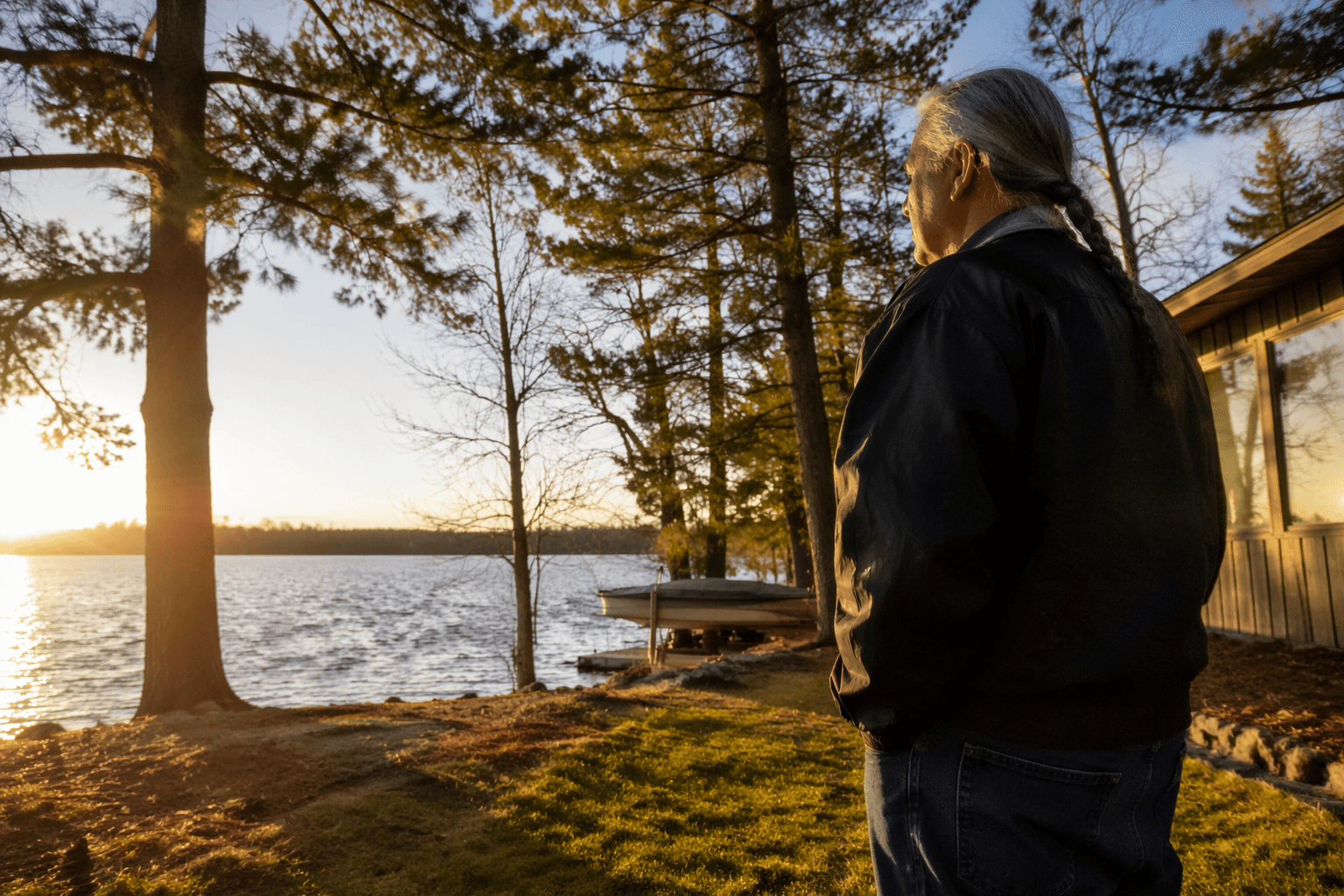
The majority, led by Justice Susan M. Crawford and joined by Chief Justice Jill J. Karofsky and Justices Rebecca Frank Dallet and Janet C. Protasiewicz, held that sovereign immunity was “the rule, not the exception,” and that nothing in federal law had stripped it away in this dispute. Justices Rebecca Grassl Bradley and Annette Kingsland Ziegler dissented, while Justice Brian K. Hagedorn filed a separate dissent joined by Bradley and Ziegler. The Menominee County Circuit Court had already sided with the tribe before the case reached Madison.
The Menominee were terminated under the Menominee Termination Act, with federal recognition ending on April 30, 1961, before Congress restored tribal status in 1973 through the Menominee Restoration Act. Its ties to the region stretch back thousands of years, and it once occupied more than 10 million acres across what is now Wisconsin and the Upper Peninsula of Michigan.
If more parcels move into trust, the county could lose more property from its tax base, while the tribe gains more room to plan for housing, stewardship, jurisdiction, and economic development around Legend Lake and beyond. The ruling removes a court challenge that had stood in the way of future buyback efforts.
This article was produced by Prism’s automated news system from verified source data, official records, and press releases, then run through automated quality and moderation checks before publishing. The system is built and supervised by the people who set the standards it runs under. Read our full AI policy.
Did this article answer your question?