Wolf River shapes life, travel and identity in Menominee County
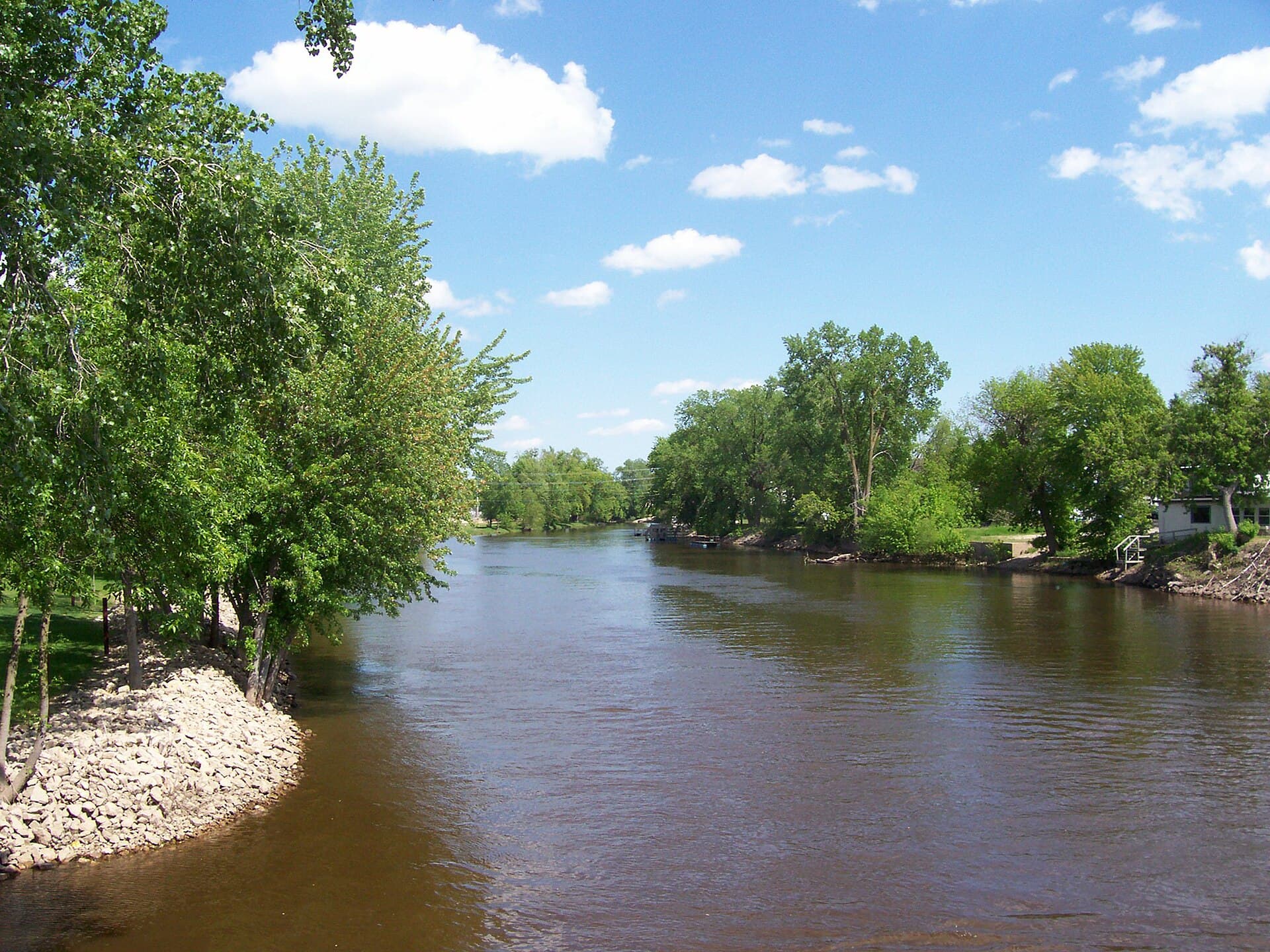
The Wolf River is Menominee County’s main road map, linking Keshena, Big Smokey Falls, campgrounds and tribal cultural stops in every season.
In Menominee County, the Wolf River is more than scenery. The Wisconsin Department of Natural Resources says the basin drains 3,690 square miles, and almost the entire 233,384-acre Menominee Indian Reservation sits inside it, which helps explain why the river corridor shapes where people live, travel and gather. Menominee County itself is small, with 4,255 residents in the 2020 Census and 357.6 square miles of land, but its identity is dense: 80.9% of residents identified as American Indian and Alaska Native alone, tying the county’s geography closely to tribal life.
That connection makes the Wolf River an ideal close-to-home rediscovery. The river flows south until it joins the Upper Fox River above the Lake Winnebago Pool lakes, so it is part of a much larger water system, but for Menominee County residents it is also the local route that leads to falls, campgrounds, whitewater, fishing, and cultural stops that explain the place as clearly as any map.
Keshena’s Big Smokey Falls is the most useful starting point
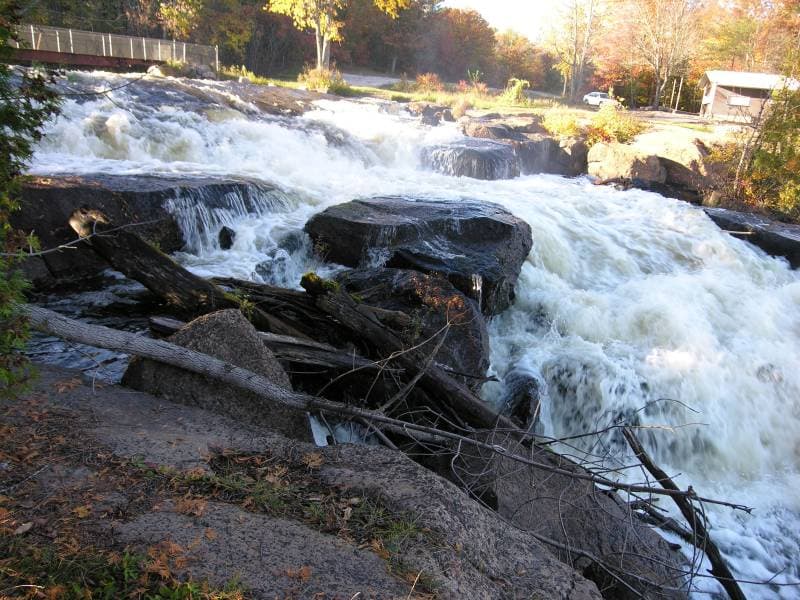
Big Smokey Falls in Keshena gives the river its strongest all-season visitor draw. Travel Wisconsin describes it as one of the state’s standout whitewater-river destinations and says River Forest Campground is only about a 15-minute drive away, which makes the falls an easy anchor for a day trip or overnight stay. That short distance matters in a county where the river corridor naturally gathers recreation, lodging and local traffic into one practical loop.
The falls also fit the way the Wolf River is used on the ground. Travel Wisconsin points to guided rafting through Shotgun Eddy, and the Menominee Indian Tribe of Wisconsin’s tourism listings place Shotgun Eddy alongside whitewater rafting businesses tied to the area. For a resident looking to revisit a familiar stretch of water, that means the river is not just a view from the bridge: it is an active route where visitors launch trips and where local scenery carries real seasonal use.
A river day can also include culture, not just water
The same tourism listings that highlight river outings also point to the Menominee Indian Tribe of Wisconsin Museum and the Menominee Casino & Resort. That mix tells the story of the county better than a simple outdoor checklist would. The river is part of a broader visitor economy that combines whitewater, indoor interpretation and hospitality in the same corridor, so a single trip can move from rapids to museum exhibits without leaving the Keshena area.
That matters because Menominee County is not a place where culture sits apart from land. The tribe says its history in the region goes back 10,000 years and traces its creation story to the mouth of the Menominee River. Set against that timeline, the Wolf River is not just a recreation asset. It is part of a much longer homeland story, one that still shapes everyday life in the reservation communities around Keshena and Neopit.
Fishing, rafting and paddling change with the season
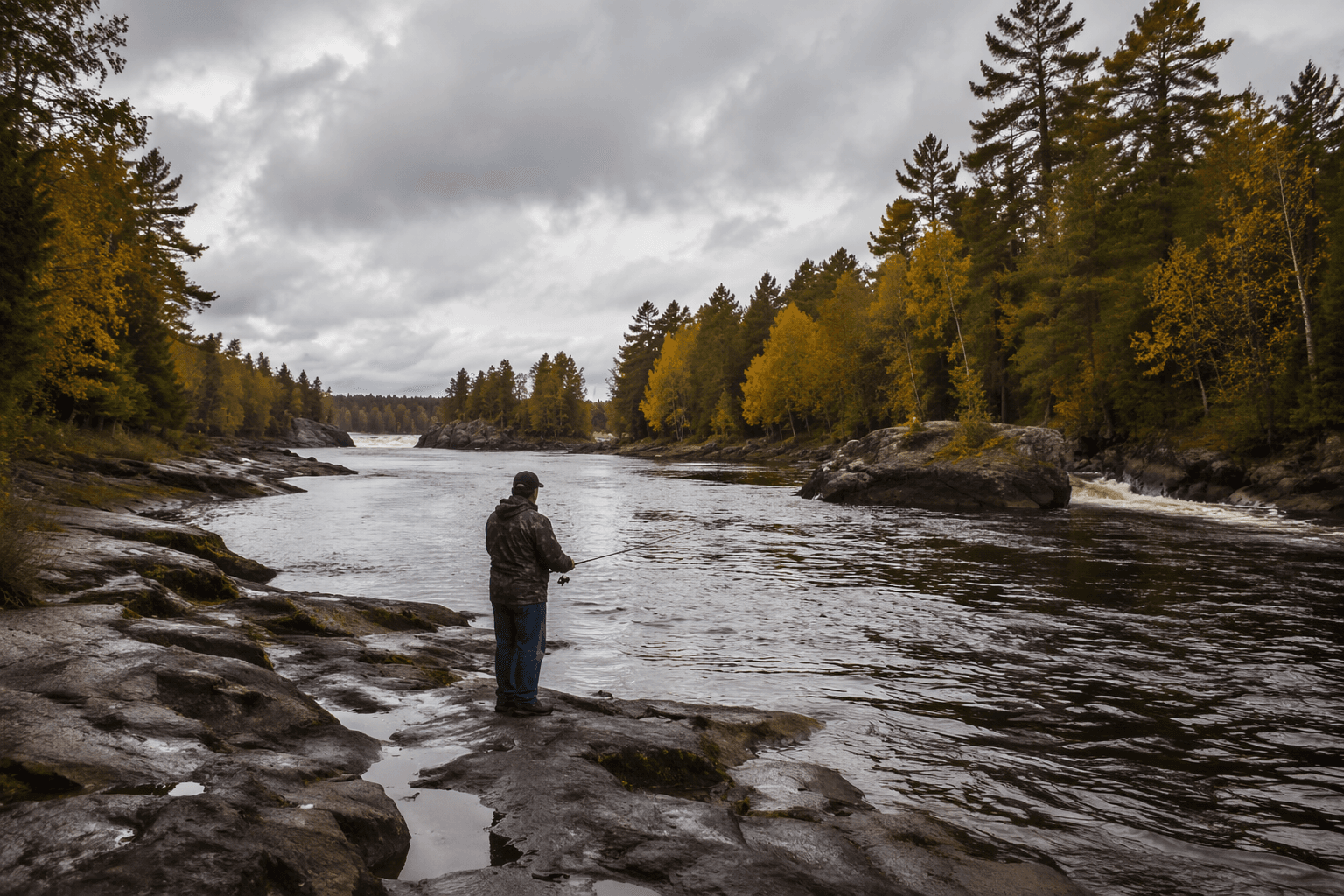
The Wisconsin DNR says the Wolf River is well known for trout fishing, and its whitewater rapids draw rafters, kayakers and canoeists. That combination makes the river unusually flexible across the year. In warmer months, the rapids and launch points give the county an obvious outdoor draw. In shoulder seasons, trout fishing keeps attention on the water even when rafting crowds thin out, and the same river corridor remains a working landscape rather than a one-note attraction.
That range is part of why the river fits Menominee County so well. The county’s land base is compact, but the basin is broad, and the river corridor provides a shared orientation for residents in Keshena, Neopit and across the reservation. For people who already know the road network, the Wolf River explains where the memorable stops are: the falls, the campground, the rafting outfitters, the museum and the casino all sit within the same geography.
What to pair with the river on a local outing
A practical Menominee County river day does not need much planning, but it works best when the stops build on each other.
- Start at Big Smokey Falls in Keshena for the clearest river view and the strongest whitewater setting.
- Keep River Forest Campground in mind if the outing is turning into an overnight stay, since it is about a 15-minute drive from the falls.
- Add a rafting trip with Shotgun Eddy if the goal is to get on the water instead of just looking at it.
- Pair the river with the Menominee Indian Tribe of Wisconsin Museum for a cultural stop that gives context to the land.
- Finish with the Menominee Casino & Resort if the day is meant to stay close to Keshena and still feel like a full outing.
The Wolf River State Trail adds another layer to that pattern. Even without turning the day into a long drive, the river corridor works as a local route that links fishing, paddling, whitewater and cultural sites into one recognizable Menominee County experience.
Why the river still defines the county
Menominee County is small enough that a single watershed can shape how the whole place feels. The Wolf River basin covers most of the Menominee Indian Reservation, and that is why the county’s recreation, scenery and settlement patterns all follow the same water line. When residents look for a place to fish, paddle, camp or show visitors what matters here, they are usually returning to the same corridor.
That is what makes the Wolf River worth rediscovering. It is the place where Menominee County’s land base, tribal history, visitor businesses and daily outdoor use all meet in one visible line of water, and it remains the county’s clearest guide to itself.
This article was produced by Prism’s automated news system from verified source data, official records, and press releases, then run through automated quality and moderation checks before publishing. The system is built and supervised by the people who set the standards it runs under. Read our full AI policy.
Did this article answer your question?