Chesapeake plans $1.2 billion gas pipeline to Miami-Dade by 2030
A 24-inch gas pipeline could run into Miami-Dade by 2030, backed by nearly 250,000 dekatherms a day in shipping commitments.
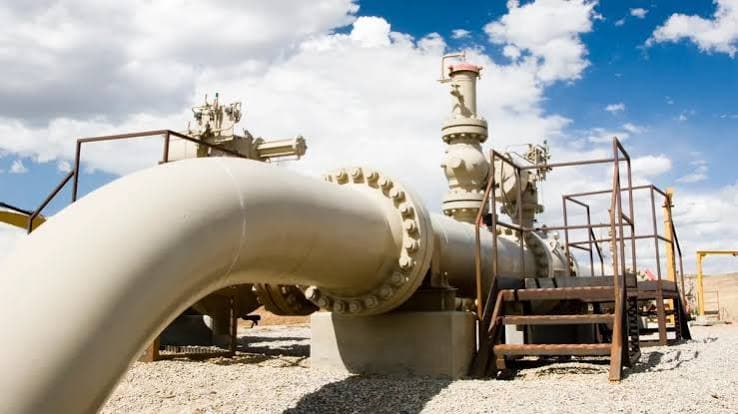
Chesapeake Utilities is planning a 24-inch intrastate natural gas pipeline that would run from Palm Beach County into Miami-Dade County, a project the company says is meant to relieve South Florida supply constraints and improve reliability for homes and businesses. The Florida Energy Pathway carries an estimated $1.2 billion cost and is expected to enter service in 2030, subject to final commissioning.
The company said the line is anchored by firm commitments totaling nearly 250,000 dekatherms per day from multiple investment-grade shippers. Chesapeake said Peninsula Pipeline Company will develop, construct and operate the project, and that it may bring in one or more third-party partners who could own up to 49% of the pipeline.
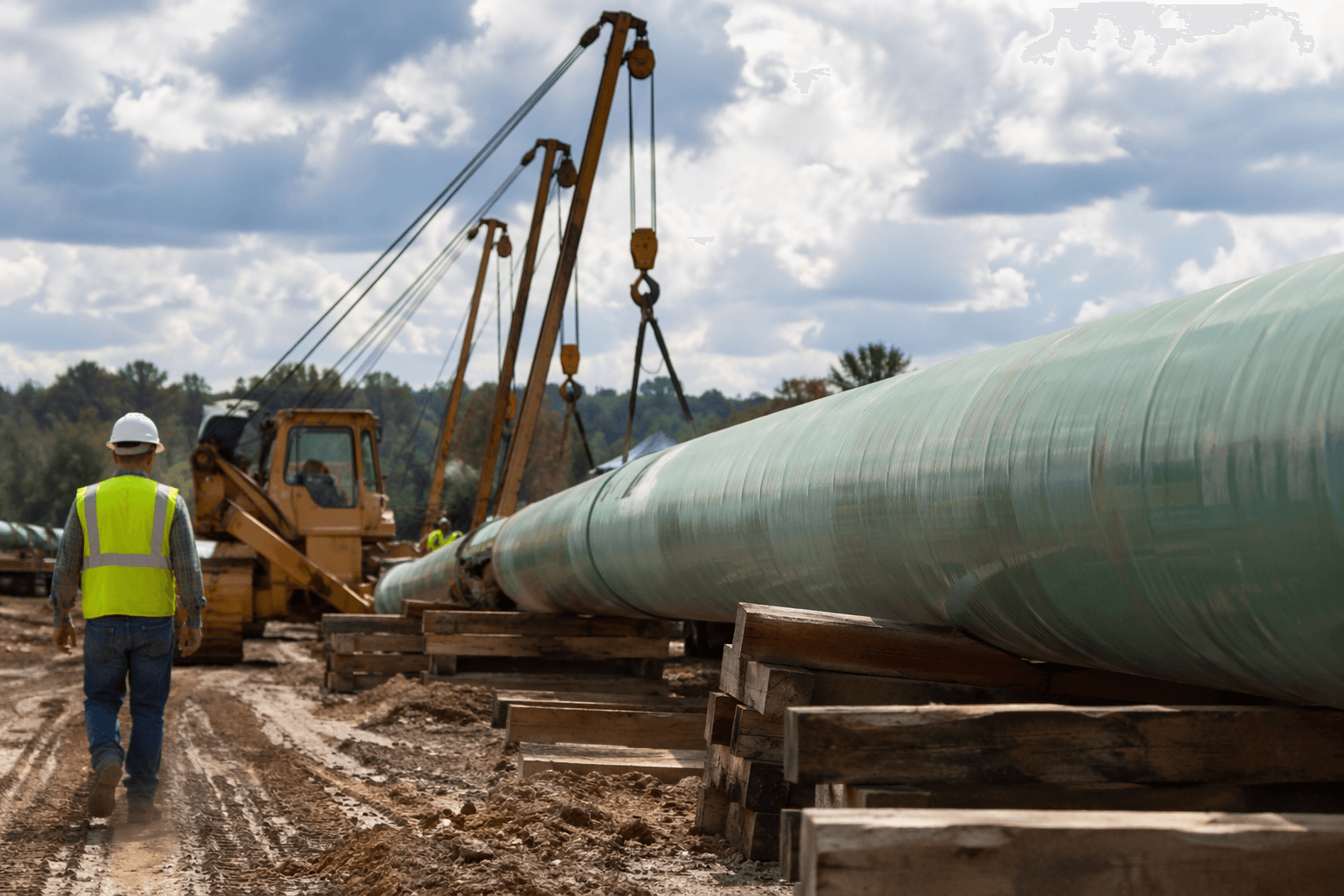
For Miami-Dade households and businesses, the central question is whether the new line will steady fuel supply in a fast-growing region or add another layer of long-term infrastructure costs. Chesapeake said the project is designed to expand transportation capacity, address regional supply constraints and enhance system reliability as South Florida’s population and economy continue to grow.
The pipeline announcement builds on Chesapeake’s expansion in the state after it completed its acquisition of Florida City Gas on December 1, 2023. Florida City Gas serves about 120,000 residential and commercial customers across eight Florida counties, including Miami-Dade, and operates roughly 3,800 miles of distribution main and 80 miles of transmission pipe.
That acquisition pushed Chesapeake into five of the 10 most populous counties in Florida, giving the Dover, Delaware-based company a larger footprint across one of the country’s fastest-growing markets. Chesapeake said the Florida Energy Pathway is meant to reinforce that position by extending natural-gas infrastructure deeper into South Florida, where energy demand has been rising alongside population growth and development.
Chesapeake said it expects to share more details at its second-quarter earnings call in August. For Miami-Dade, the project now stands as both an energy supply proposal and a test of whether new gas infrastructure can support affordability and resilience without increasing exposure along the route or complicating county climate goals.
This article was produced by Prism’s automated news system from verified source data, official records, and press releases, then run through automated quality and moderation checks before publishing. The system is built and supervised by the people who set the standards it runs under. Read our full AI policy.
Did this article answer your question?