Cyclospora cases rise in Florida, including Miami-Dade infections
Florida logged 60 cyclosporiasis cases this year, including six in Miami-Dade, as CDC counted 843 confirmed U.S. infections and no deaths.
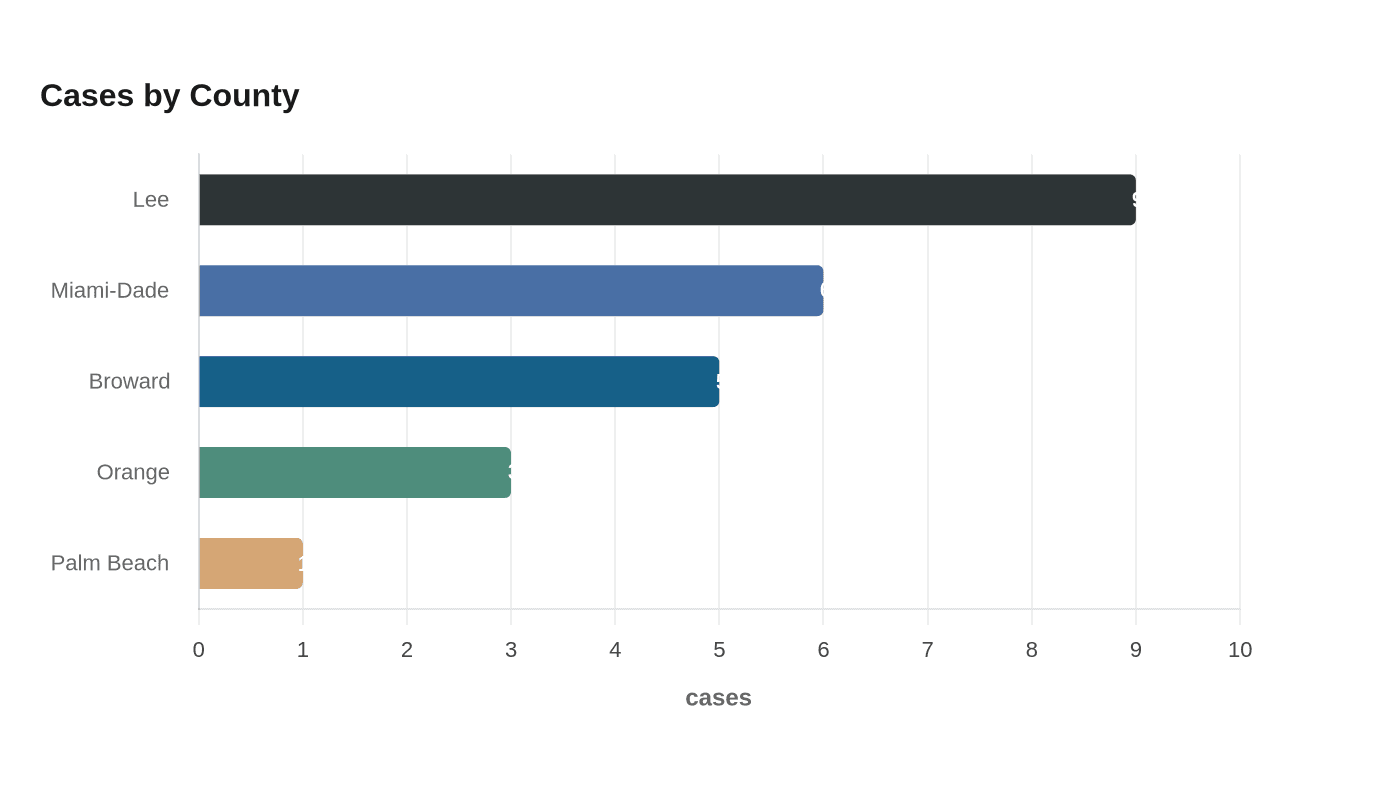
Florida’s cyclosporiasis tally had climbed to 60 cases by July 4, nearly double the 34 reported at the same point in 2025, and Miami-Dade County had six infections in state data. The Florida Department of Health counted 50 cases between May 1 and July 4, including 49 confirmed and one suspected, during the parasite’s usual season, from May 1 through Aug. 31.
The Florida breakdown showed 31 cases acquired in Florida, 10 acquired outside the United States and nine of unknown acquisition. Other counties on the list included Lee with nine cases, Orange with three and Palm Beach with one, while Broward had five. Florida’s reportable disease system updates each Thursday after a four-day quality window, so counts can move as investigators validate reports.
On July 9, the CDC counted 843 confirmed domestic cases across 31 states since May 1, along with 86 hospitalizations and no deaths. Investigators are still working to identify the source of illness, and state totals may run higher than CDC figures because states can include probable cases that have not yet been confirmed nationally.
Symptoms usually begin about a week after exposure, though they can start as soon as two days later or take two weeks or more. Watery diarrhea is the most common symptom, alongside loss of appetite, weight loss, cramping, bloating, nausea and fatigue; untreated illness can last from a few days to more than a month and may return after symptoms improve. Outbreaks in the United States have been linked to fresh produce, and prevention includes avoiding food or water that may be contaminated with feces, washing hands before and after handling raw fruits and vegetables, and rinsing produce thoroughly under running water. If symptoms linger, a clinician can order specific testing for Cyclospora, which routine stool tests may miss, and treat it with trimethoprim-sulfamethoxazole, sold as Bactrim.
This article was produced by Prism’s automated news system from verified source data, official records, and press releases, then run through automated quality and moderation checks before publishing. The system is built and supervised by the people who set the standards it runs under. Read our full AI policy.
Did this article answer your question?