Miami pastors sound alarm on Christian nationalism
Miami-area pastors say Christian nationalism could spill into school board fights and elections in Miami-Dade. The Archbishop of Miami has called it “neo-nativism.”
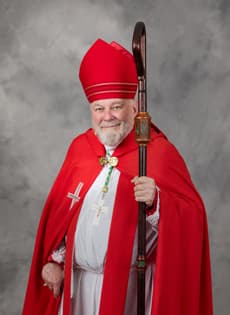
Miami-area pastors are warning that Christian nationalism could shape school board fights, elections and public policy in Miami-Dade County. In a county defined by Catholic, evangelical, Black church, immigrant and interfaith communities, clergy say the issue now reaches beyond theology and into civic power.
The concern surfaced in a Miami Herald story published July 18, 2026. Christian nationalism is described in related coverage as a movement that fuses Christian values with the nation’s identity, and the warning from Miami pastors comes as far-right Christians have become more vocal and influential across the United States.
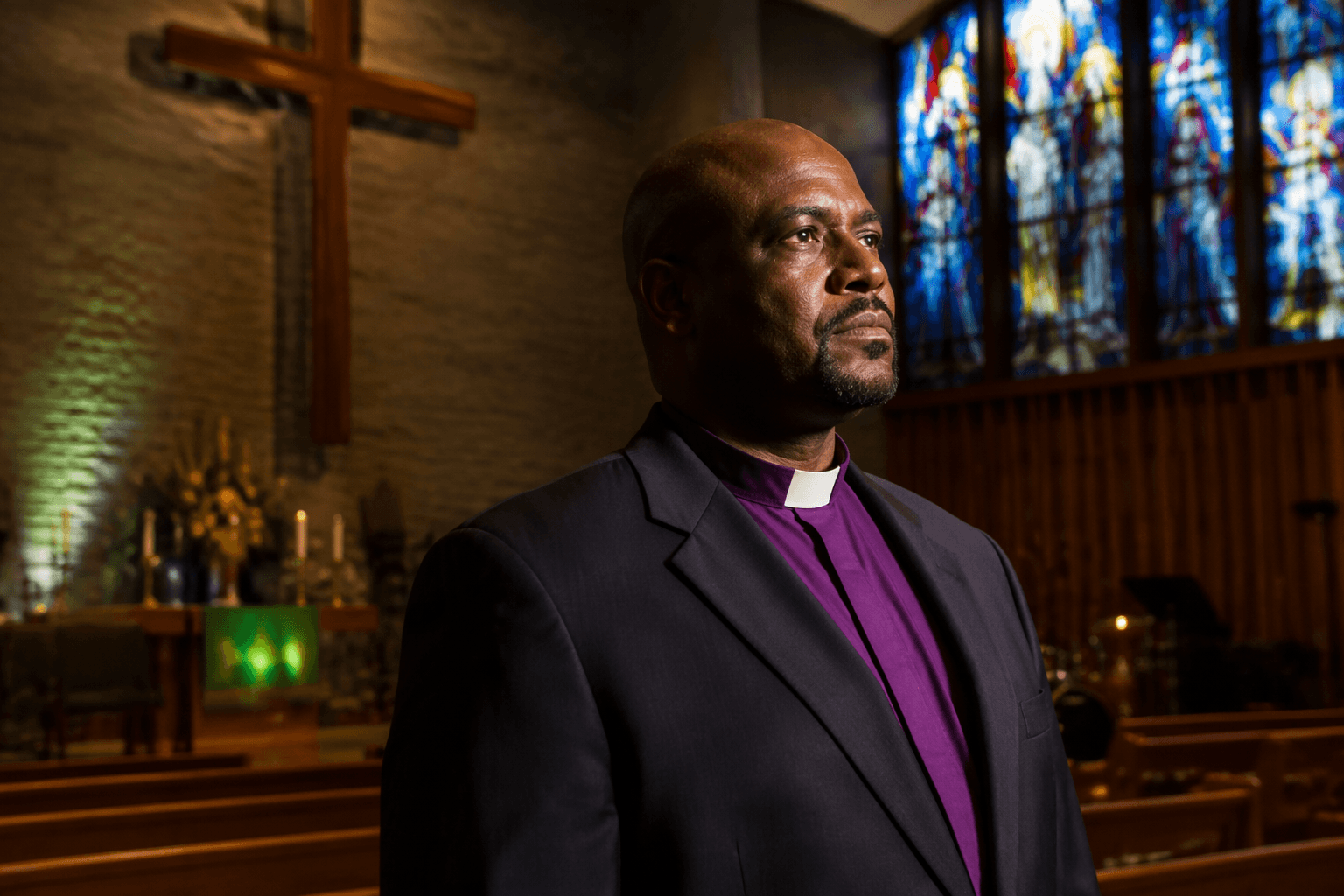
That tension has already shown up in Miami’s public life. On July 20, 2025, faith leaders weighed whether churches can endorse political candidates under IRS rules, a question that goes directly to how far houses of worship can step into elections. On Feb. 18, 2026, pastors, people of faith and advocates gathered in Downtown Miami for a peaceful protest against immigration policies they said were inhumane, showing how quickly religious language can move from the pulpit into public demonstrations.
The debate is especially charged in South Florida because local religious leaders have not spoken with one voice. The Archbishop of Miami has publicly criticized Christian nationalism and called it “neo-nativism,” a sharp rebuke from one of the region’s most prominent Catholic figures. A Miami pastor also spoke at a Washington, D.C. rally on May 19, 2026 that merged prayer, politics and U.S. history, another sign that the line between faith and partisan messaging is being tested far beyond Miami-Dade.
For pastors sounding the alarm, the concern is not limited to church doctrine. It is about whether faith will be used to divide neighborhoods, influence elections and pressure institutions that serve residents of every background. In Miami-Dade, where public schools, immigration debates and neighborhood politics routinely intersect, that question carries weight in places from Downtown Miami to Coral Gables.
This article was produced by Prism’s automated news system from verified source data, official records, and press releases, then run through automated quality and moderation checks before publishing. The system is built and supervised by the people who set the standards it runs under. Read our full AI policy.
Did this article answer your question?