African Cemetery at Higgs Beach links Key West to maritime history
Higgs Beach hides Key West’s African Cemetery, a memorial to Africans from three intercepted slave ships and a public reminder of the city’s Black maritime past.
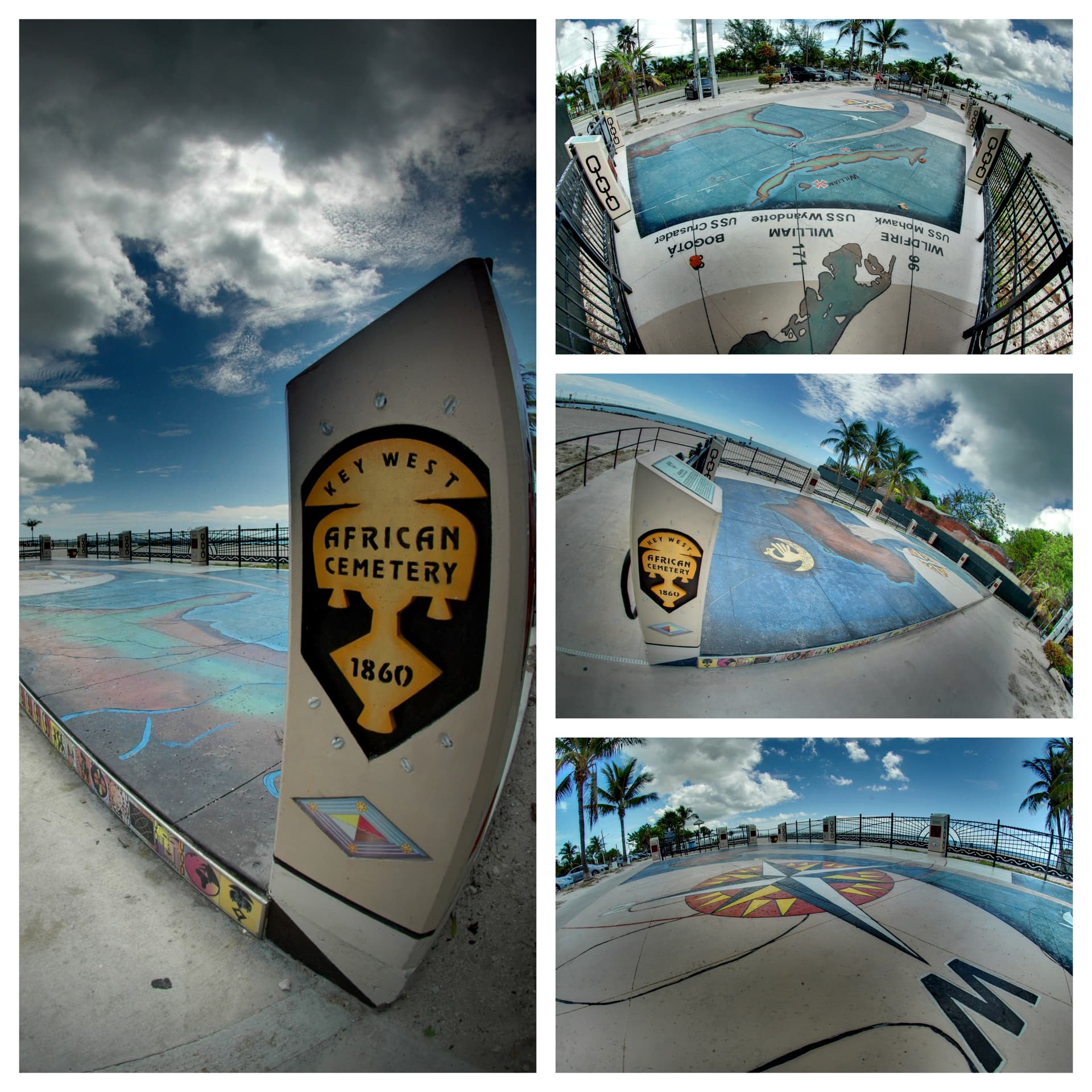
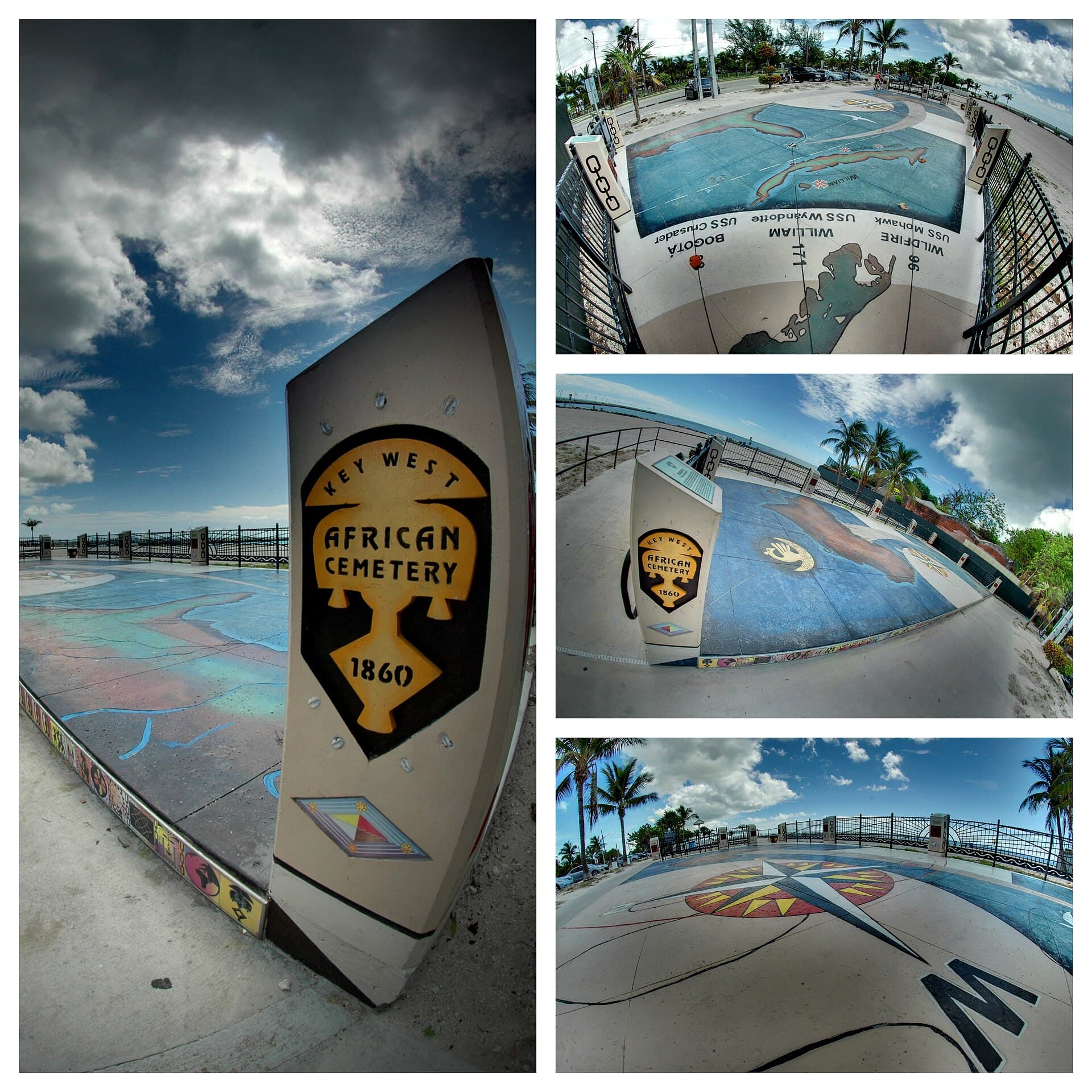
Higgs Beach looks like a place for sand, swimming, and a walk along the shore, but it also holds one of Key West’s most important Black maritime memorials. Just beside Clarence S. Higgs Memorial Beach Park, and near West Martello Tower, the African Cemetery at Higgs Beach keeps a difficult chapter of Monroe County history in plain sight.
A memorial on a working shoreline
The City of Key West treats the African Cemetery at Higgs Beach as an official historic site, and the city’s page for it is curated by the Mel Fisher Maritime Museum. That pairing matters because it places the cemetery inside a serious public history framework, not as a roadside marker that visitors might pass without understanding what stands there. The memorial sits where daily life and remembrance overlap, so a person can move from the beach to a place of mourning in a few steps.
That physical setting also explains why the site still resonates. Higgs Beach is one of the county’s most familiar community spaces, yet the ground there carries a story tied to Key West’s role as a port city. The shoreline is not just recreational space. It is where the island’s history of arrival, labor, empire, commerce, and loss comes into view.
From three slave ships to a cemetery
The cemetery exists because, in 1860, the U.S. Navy intercepted three illegal slave ships and diverted them to Key West. The memorial is tied to the Africans who died after that rescue, which places the site at the intersection of maritime history and the history of slavery in the United States. It is one of the clearest places in the Florida Keys where that larger story can still be read on the landscape itself.
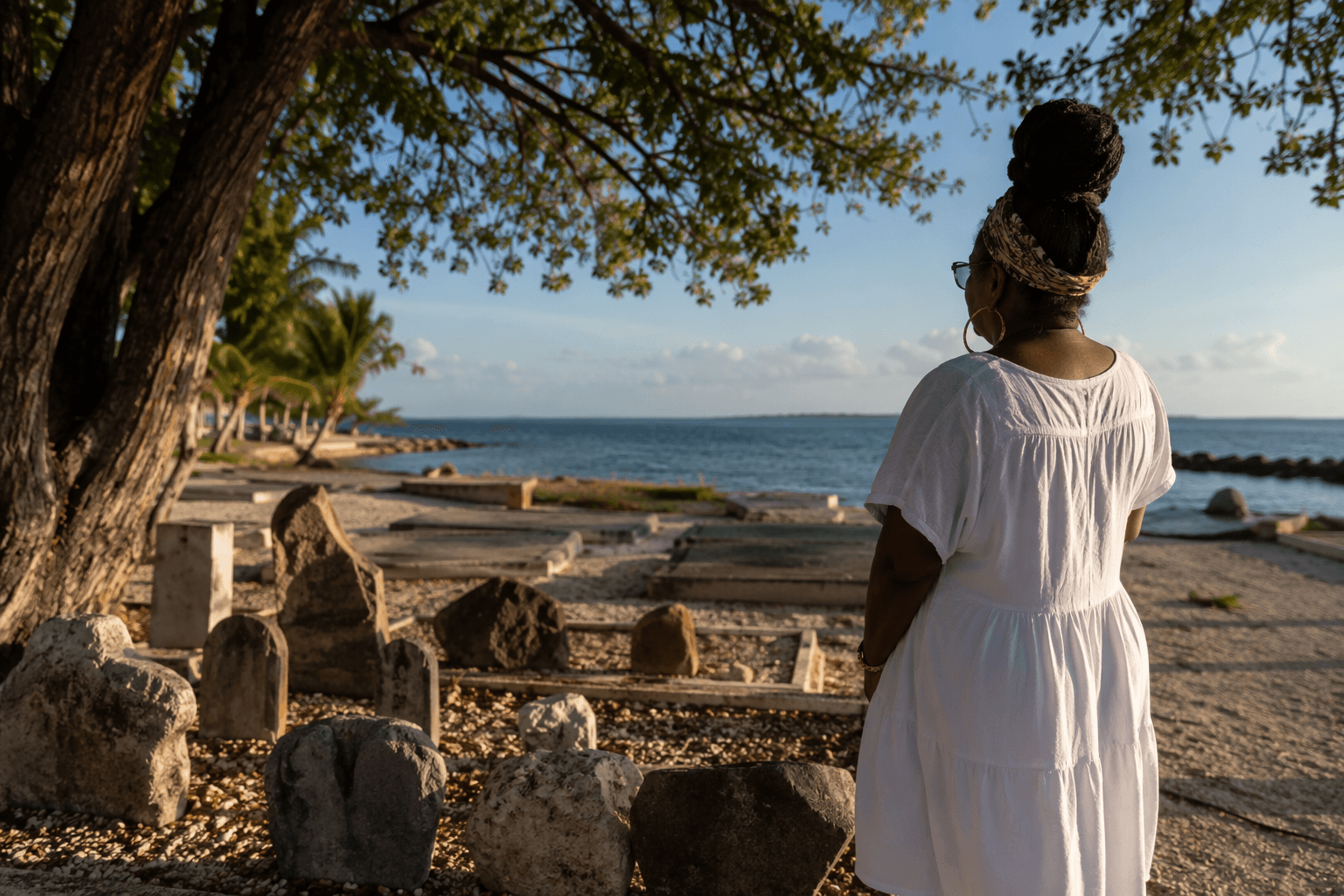
Historical references describe the African Cemetery at Higgs Beach as the only known African refugee cemetery in the United States. Another source says the memorial commemorates nearly 300 African refugees. A historical entry adds a more specific detail: the cemetery contains at least nine burials, likely linked to 295 Africans who died in 1860. Taken together, those facts show the difference between the physical graves that remain visible and the much larger population the site represents.
That gap between burial count and memorialized lives is part of what makes the site so important. The cemetery is not simply a collection of marked graves. It is also a public acknowledgment of people whose arrival in Key West came through naval interception, forced migration, and death, with their memory preserved in a place that many visitors otherwise associate only with leisure.
What the site reveals about Key West
The African Cemetery at Higgs Beach gives Monroe County residents and visitors a direct route into Key West’s African and Caribbean past. Key West’s growth was shaped by people who came by sea, including free residents, laborers, and those brought through the slave trade. That history is not abstract here. It sits on the same shoreline where people now gather for recreation, which makes the cemetery a rare public place where the city’s layered past is visible without leaving the beach.
The nearby West Martello Tower adds another layer to that landscape. A Civil War-era coastal fortress stands within the same general setting, so the area combines military history, memorial space, and a public beach in one corridor. Few places in the Keys offer such a compressed view of how Key West developed as a maritime community and how its public memory has been shaped in the open.
Preservation, interpretation, and public memory
The site’s National Register of Historic Places listing on June 26, 2012, gave it formal recognition as a historic place of national importance. But the listing is only one part of the story. The more immediate evidence of stewardship came in 2023, when Monroe County’s African Cemetery Memorial at Higgs Beach received restoration work from the original artists. That kind of upkeep signals ongoing care, not a forgotten monument left to weather on its own.
Interpretation matters just as much as preservation. Because the Mel Fisher Maritime Museum curates the city’s page for the site, the memorial is presented as part of Key West’s maritime heritage rather than as an isolated marker. That framing helps visitors understand why the cemetery belongs in conversations about the Florida Keys, the Atlantic slave trade, and the history of Black life in a port city. It also keeps the site from being absorbed into the broader beach landscape, where its meaning could easily be lost.
For Monroe County, the lesson is straightforward. Higgs Beach is not only a recreational shoreline. It is one of the county’s most visible reminders that Key West’s 19th-century history was shaped by slavery, rescue, death, and remembrance. The cemetery’s official status, its National Register recognition, and its recent restoration all show that the memorial remains an active part of the public record, not a relic hidden behind it.
This article was produced by Prism’s automated news system from verified source data, official records, and press releases, then run through automated quality and moderation checks before publishing. The system is built and supervised by the people who set the standards it runs under. Read our full AI policy.
Did this article answer your question?