Black divers visit Key West slave ship wreck as sacred site
Black divers descended to the Henrietta Marie marker off Key West, treating the 20-foot-deep plaque as a grave, not just a wreck.

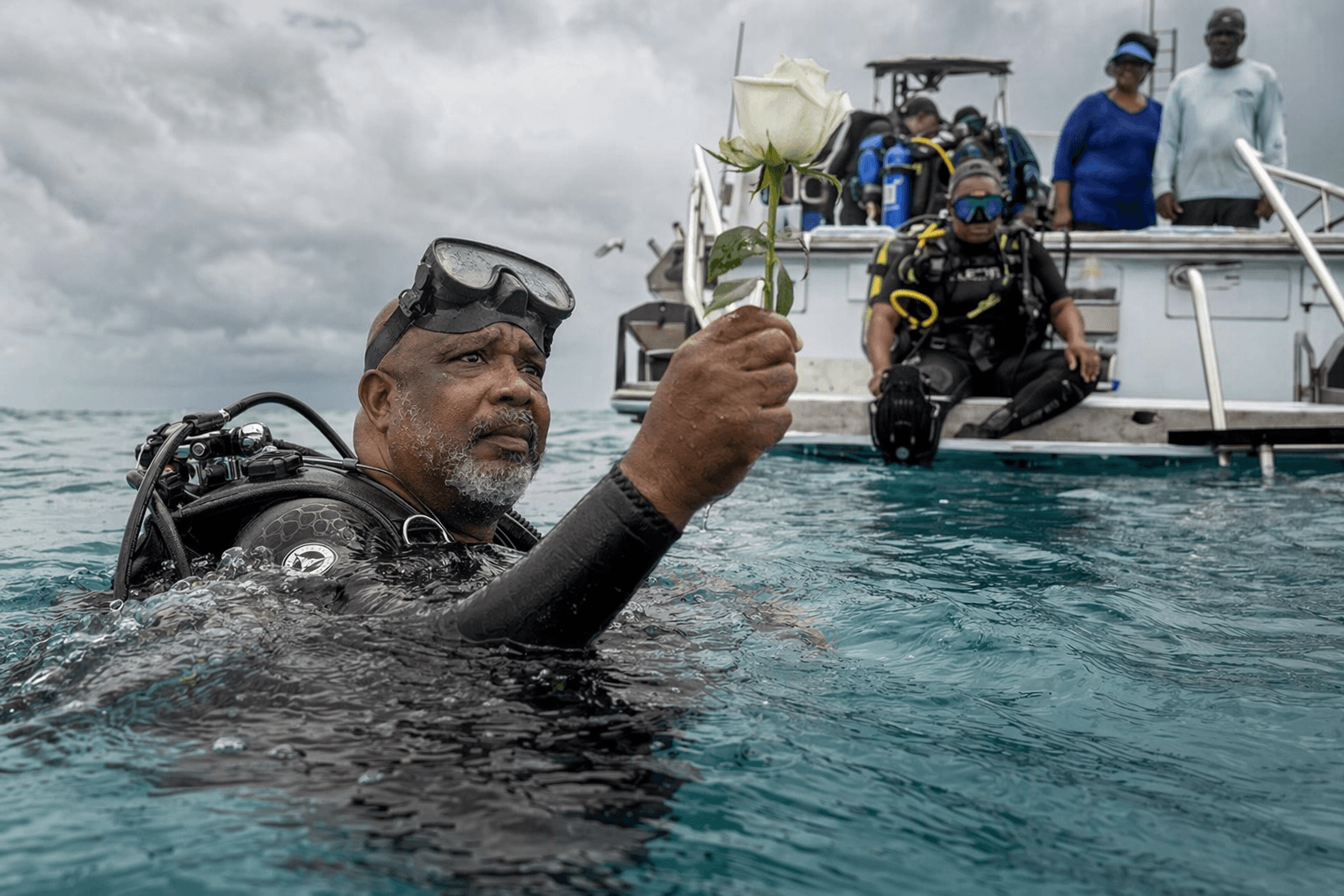
Black divers and community members went down to the Henrietta Marie wreck site off Key West and treated the underwater plaque like a memorial, not a tourist stop. The 20-foot-deep marker has become a sacred place for people tracing ancestry through the transatlantic slave trade and for divers who see the site as a place of mourning, memory and reconnection.
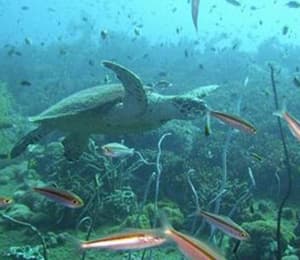
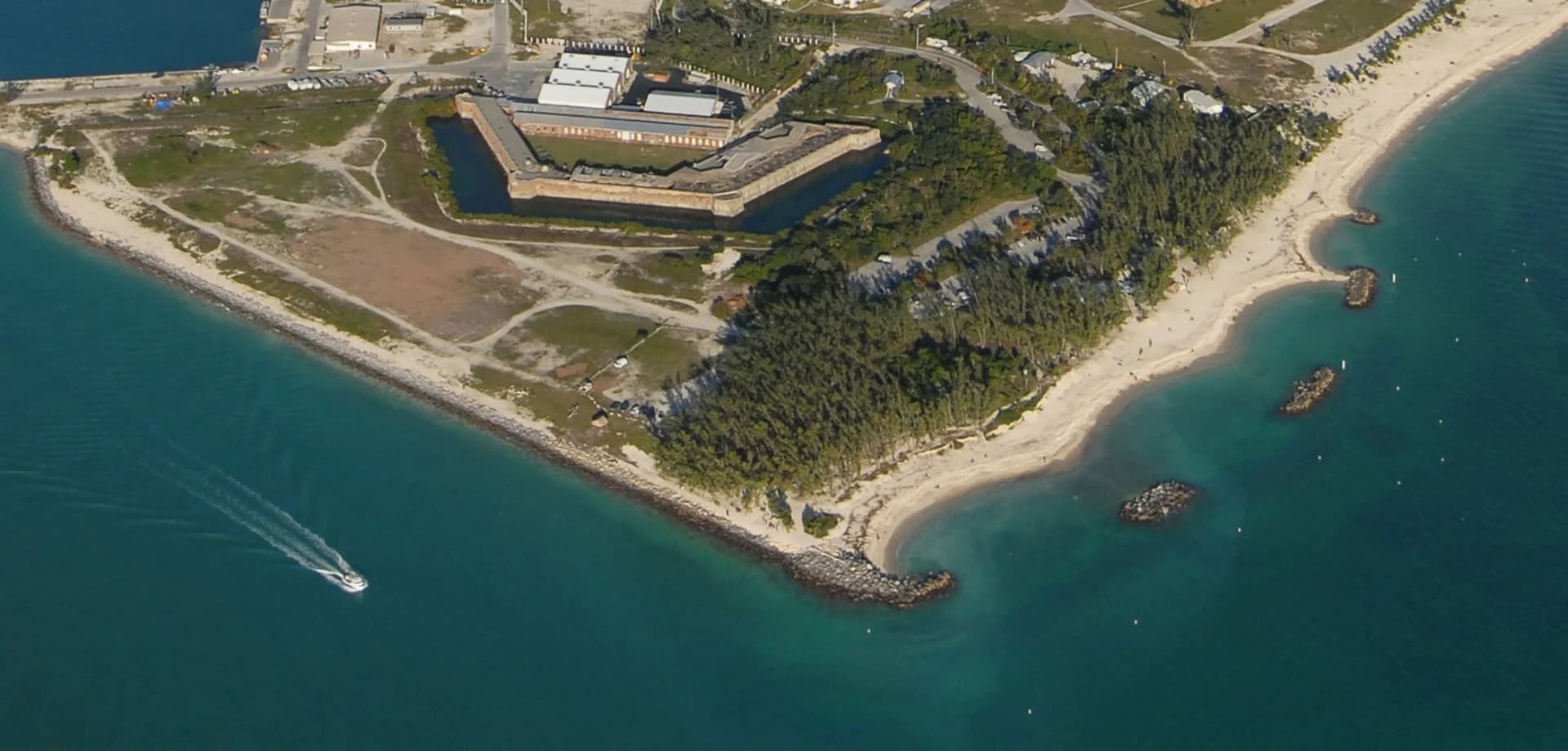
The pilgrimage centered on the English slave ship that sank in the summer of 1700 at New Ground Reef, about 35 miles west of Key West, after it had sold 191 captive Africans in Jamaica and was heading back toward Britain. There were no survivors. More than three centuries later, the wreck still carries that history in plain view below the surface of the Atlantic Ocean and at nearby Black heritage sites in Key West.
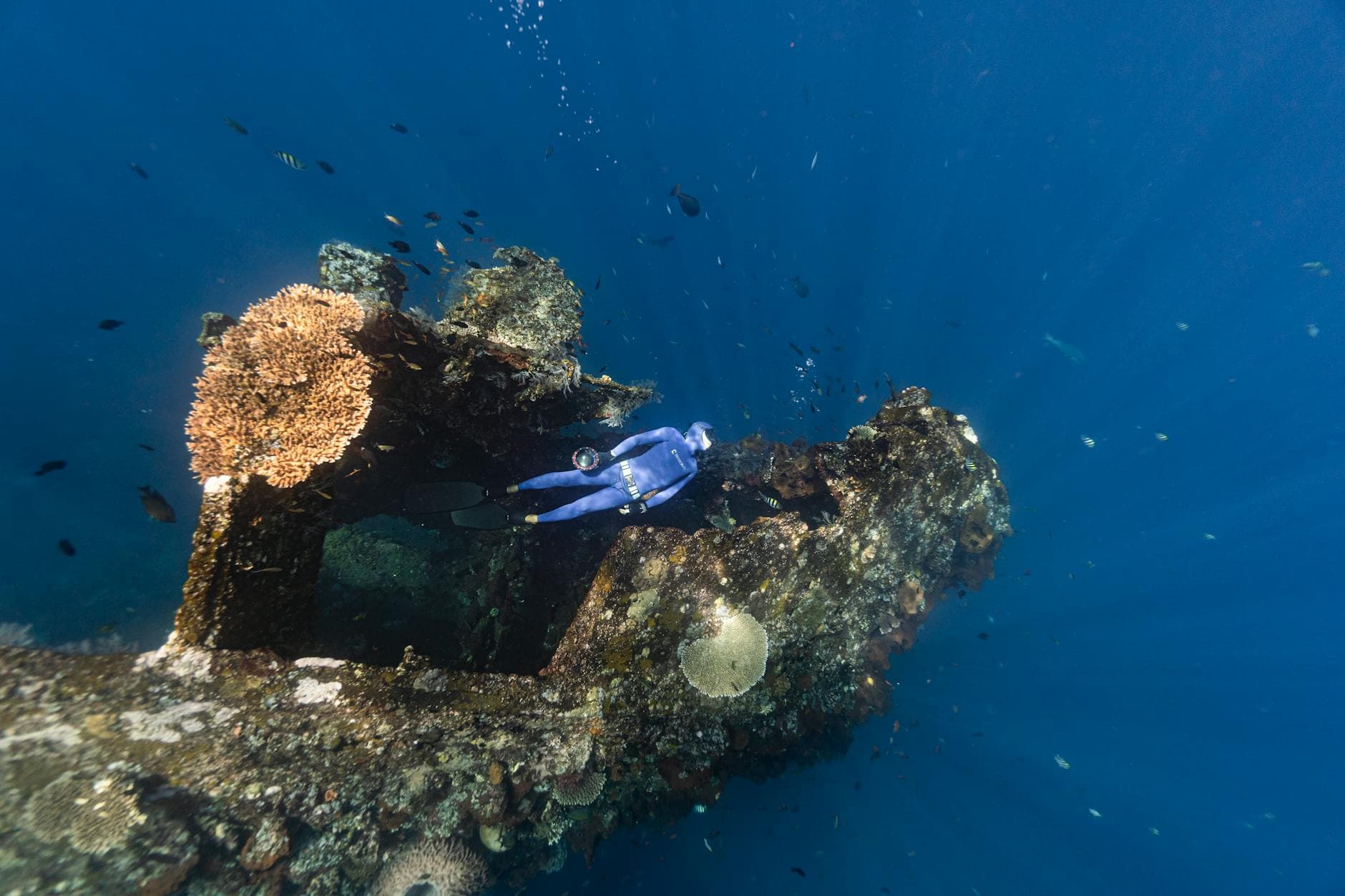
The memorial plaque was placed at the wreck site in May 1993 by the National Association of Black Scuba Divers. Its inscription reads: “In memory and recognition of the courage, pain and suffering of enslaved African people.” Over time, the marker has become a living reef, covered in corals and sponges, and a place where visitors speak the ship’s name as an act of remembrance.
The site also holds exceptional archaeological weight for Monroe County. Mel Fisher’s divers first found the wreck in 1972, and it was partially excavated in 1983. Corey Malcom of the Florida Keys History Center said there are “literally thousands of objects” from the ship, including more than 80 sets of shackles, two cast-iron cannons, trade beads, trade bars and ship remains. Those artifacts make the Henrietta Marie one of the largest sources of tangible evidence from a slave ship in North America.
The emotional pull of the pilgrimage stretched beyond the wreck itself to Higgs Beach African Cemetery in Key West, where 294 African men, women and children are buried after the U.S. Navy rescued 1,432 Africans from three illegal slave ships in 1860. More than 1,000 survivors were later sent to Liberia. For Ruthie Browning and others in the group, the visit made the history immediate and personal. Jay Haigler of Underwater Adventure Seekers said the club had tried to make the dive the previous summer but turned back because the water was too rough.
The Underwater Adventure Seekers are widely described as the world’s oldest Black scuba diving club, and their return to the wreck site underscored why the Henrietta Marie still matters in Monroe County now. Michael Cottman, who wrote books on the ship and helped with the marker’s installation, has long argued that annual pilgrimages to the plaque honor the people lost in the trade. In Key West, that history remains visible both above and below the waterline.
This article was produced by Prism’s automated news system from verified source data, official records, and press releases, then run through automated quality and moderation checks before publishing. The system is built and supervised by the people who set the standards it runs under. Read our full AI policy.
Did this article answer your question?