Sargassum piles up on Key West beaches, bringing foul odor
Brown mounds of sargassum are blanketing Key West beaches, and the rotten-egg smell is turning shoreline life into a cleanup problem.
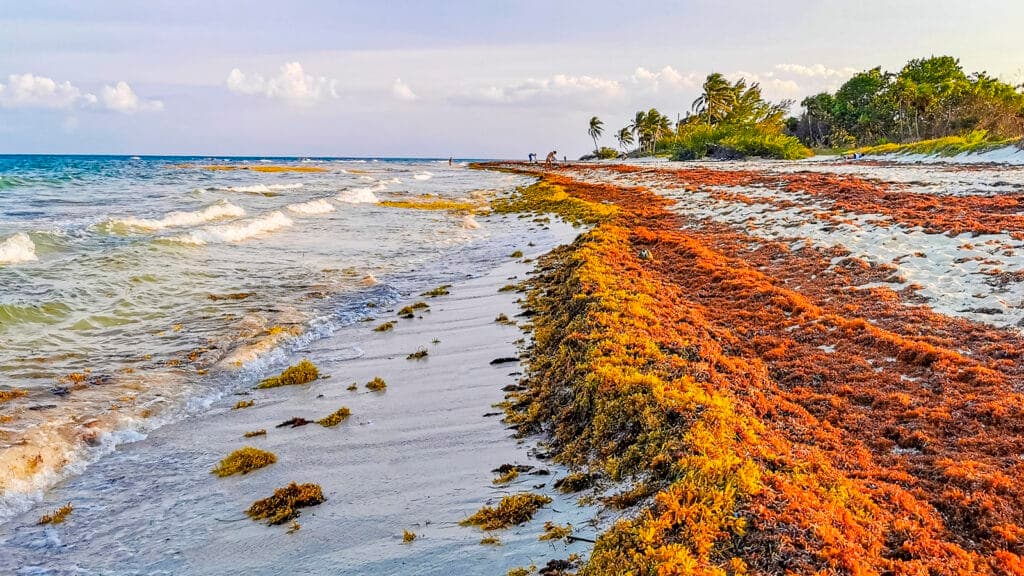
Brown mats of sargassum are pushing up on Key West beaches, and the smell of decaying seaweed is making the shoreline hard to enjoy for residents, visitors and workers who depend on a clean waterfront.
What looks like a simple nuisance carries a longer list of consequences. NOAA says large amounts of sargassum have been a recurring problem since 2011 in the Caribbean Sea, the Gulf region and the tropical Atlantic, and that the blooms can bring significant economic, environmental and public-health harm. In Key West, that means beaches that draw residents and tourists alike can quickly lose their appeal when the seaweed piles up and the odor hangs in the air.
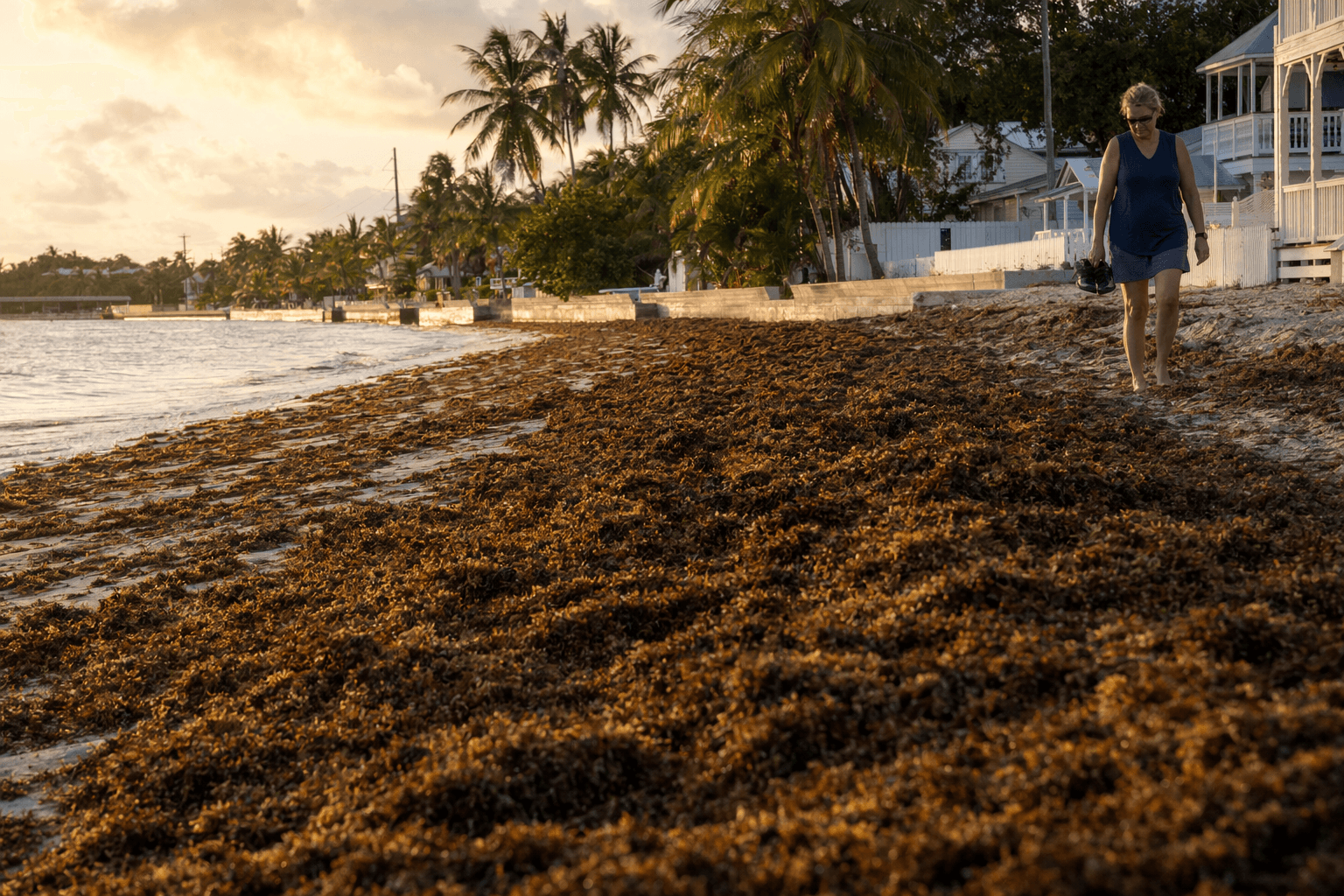
The health concern is not just the look and smell. The Florida Keys National Marine Sanctuary says decomposing sargassum can produce hydrogen sulfide, the rotten-egg-smelling gas that may irritate the respiratory system. The sanctuary also says sargassum can contain high levels of arsenic and other heavy metals, which adds another layer of concern when the algae rots in the heat on the sand.
Cleanup is not simple or cheap. The sanctuary says options for removing sargassum are limited and costly, leaving local governments with a recurring maintenance problem rather than a one-time fix. Monroe County’s Project Management Office manages parks, beaches and boat ramps across the Florida Keys, putting much of the day-to-day burden for coastal upkeep on county operations. The City of Key West has also had the issue on its radar for years, posting a city item titled “Sargassum Solution” on April 3, 2023.
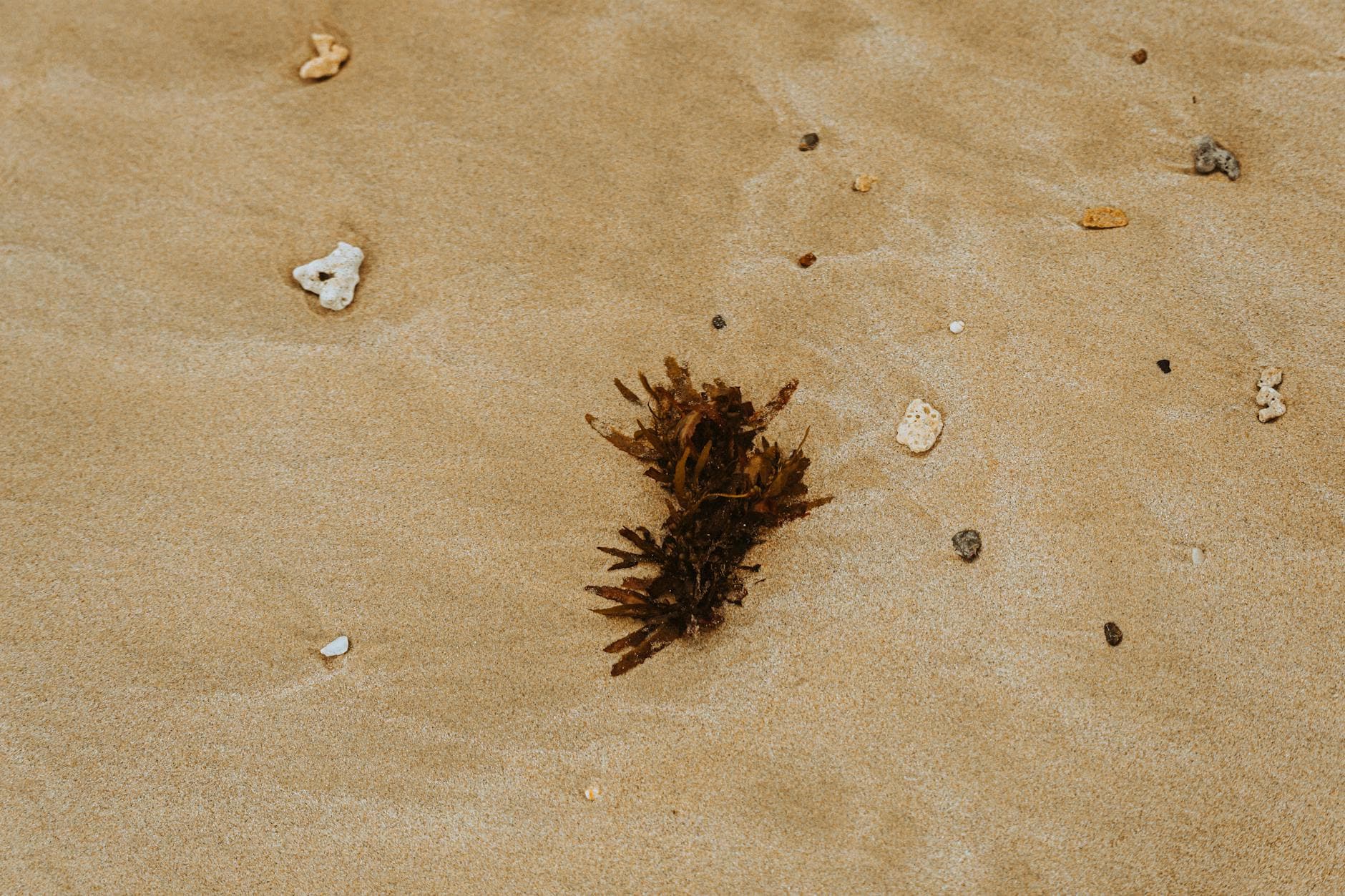
The scale of the problem has only grown. NOAA said on May 12, 2025, that the total sargassum amount across the Caribbean Sea and Gulf region had reached a new record, topping the previous high set in June 2022. NOAA and the University of South Florida now publish a daily Sargassum Inundation Risk product that rates coastal risk from low to high using satellite-derived AFAI fields and current patterns. NOAA-funded higher-resolution maps now cover both the lower Florida Keys and upper Florida Keys, giving local officials and beach managers a clearer picture of where the heaviest buildup may land next.
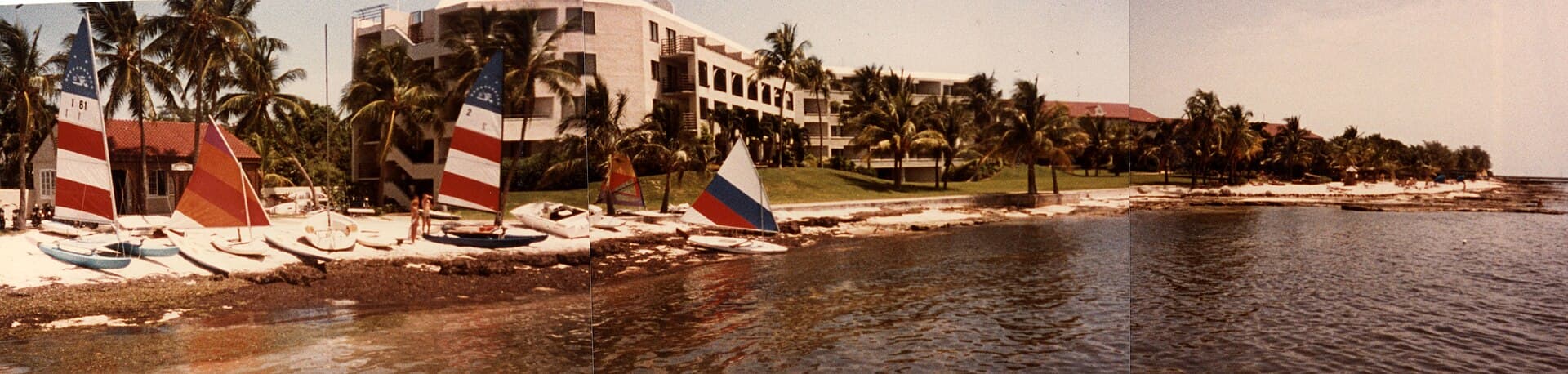
For Key West, the effect is immediate and practical. Sargassum changes the feel of the beach, puts pressure on maintenance crews and weakens the island’s image at the very moment visitors expect clear water and open sand.
This article was produced by Prism’s automated news system from verified source data, official records, and press releases, then run through automated quality and moderation checks before publishing. The system is built and supervised by the people who set the standards it runs under. Read our full AI policy.
Did this article answer your question?