Emaciated manatee calf rescued in Florida Keys, flown to SeaWorld rehab
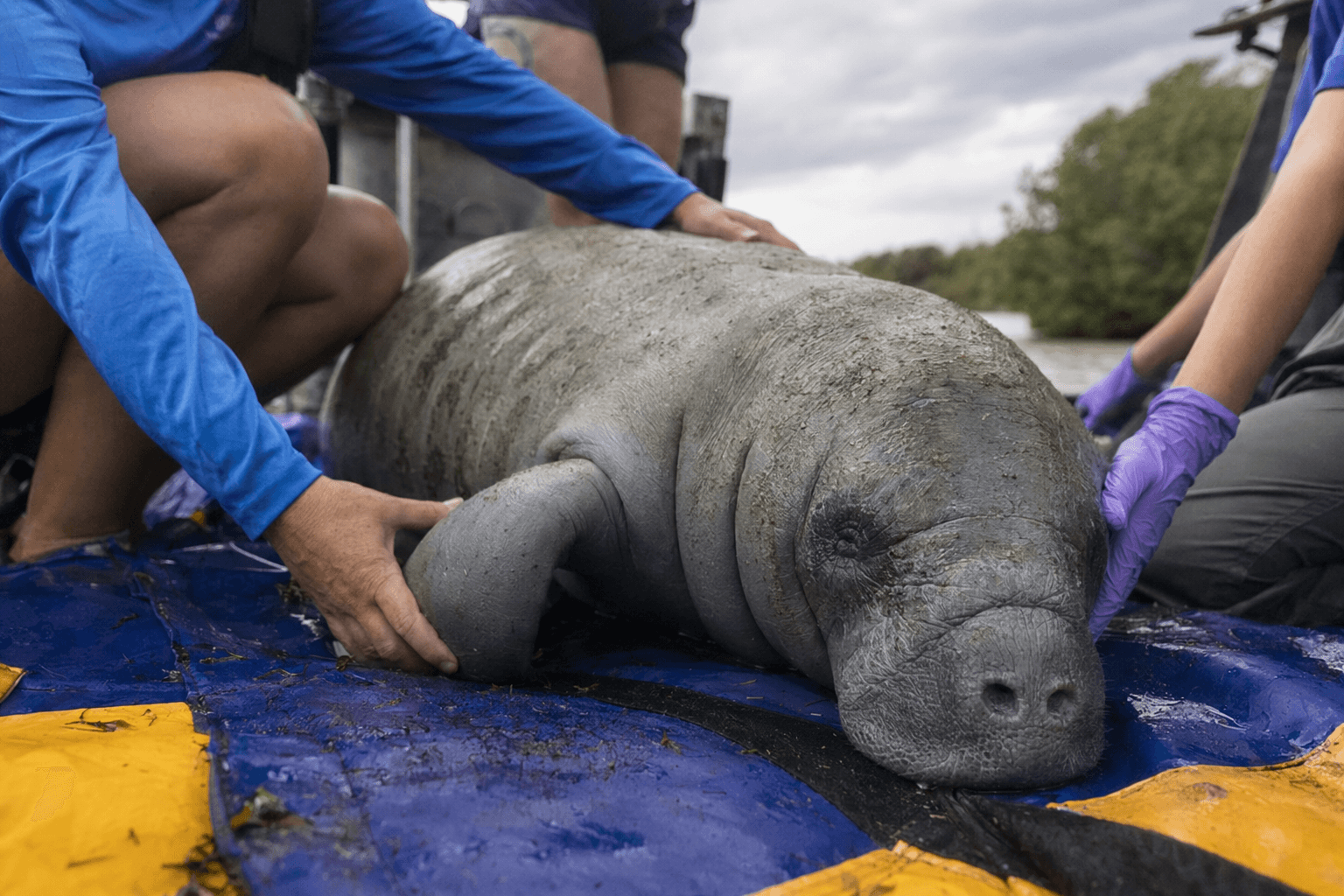
A severely emaciated manatee calf was pulled from the Atlantic side of the Keys after rescuers found its mother nearby but not nursing. The male calf was flown to SeaWorld Orlando for intensive rehab.

A severely emaciated manatee calf was rescued on the Atlantic side of the Florida Keys and flown to SeaWorld Orlando after rescuers determined the young animal needed immediate care. The male calf was found in such poor condition that local teams did not leave him in place.
The Florida Fish and Wildlife Conservation Commission and the Dolphin Research Center handled the rescue and transport, moving quickly once they saw the calf’s condition. Rescuers said the mother was nearby, but she was not nursing, which made human intervention necessary. In a case like this, the choice was not simply to observe and wait; it was to remove a calf that was clearly struggling and give it a chance to survive.
That response fits the Keys’ marine-mammal rescue network, where distressed manatee reports are investigated and, if needed, animals are captured and transported to one of four critical care facilities. The Manatee Rescue & Rehabilitation Partnership, a statewide cooperative of agencies, organizations and oceanaria, coordinates rescue, rehabilitation, release and long-term monitoring for Florida manatees. In the Keys, the Dolphin Research Center says it is a nonprofit research and education facility and local reporting has identified it as the only authorized manatee rescue handler across the island chain, which stretches more than 100 miles and keeps its team on call around the clock.
The rescue also underscores how quickly a manatee calf can decline in local waters. FWC says cold-stressed manatees can become emaciated and dehydrated, and the agency’s 2025 mortality review shows cold stress, red tide and calf- and watercraft-related deaths were major factors in manatee mortality statewide. That review recorded 632 deaths across Florida, below the five-year average of 731 but still a reminder of how many threats the species faces.
Once a calf reaches rehabilitation, the goal is eventual return to the wild if treatment goes well. FWC says orphaned manatees with little or no experience in the wild are typically released at warm-water sites during the winter, and high-risk animals are often tagged so specialists can track how they adapt after release. For Monroe County, the rescue was a local emergency with a familiar pattern: a vulnerable animal in Keys waters, a coordinated response and a transfer out of the county because the calf needed care that could not wait.
This article was produced by Prism’s automated news system from verified source data, official records, and press releases, then run through automated quality and moderation checks before publishing. The system is built and supervised by the people who set the standards it runs under. Read our full AI policy.
Did this article answer your question?