Islamorada fishermen draw millions online, reshaping Keys fishing culture
Two Islamorada fishermen have turned traps, bycatch and stone crab claws into viral content, giving Monroe County’s working waterfront a new digital audience.
How two Islamorada fishermen became internet fixtures
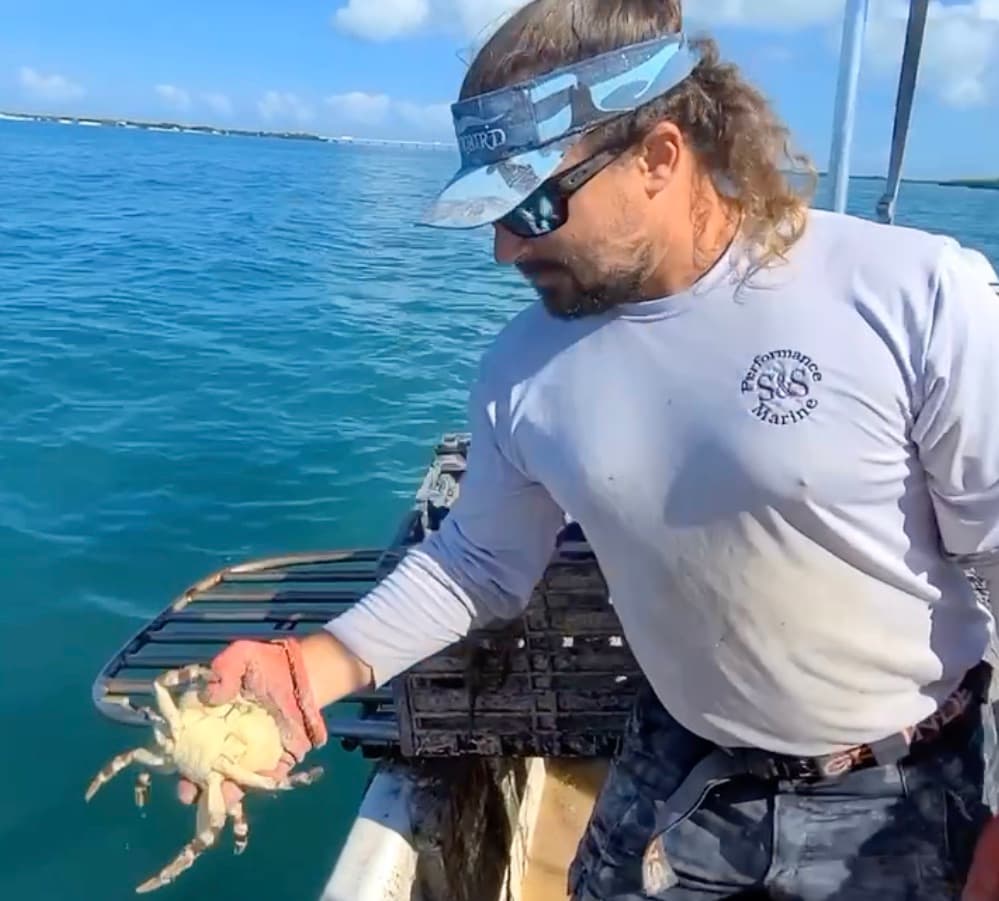
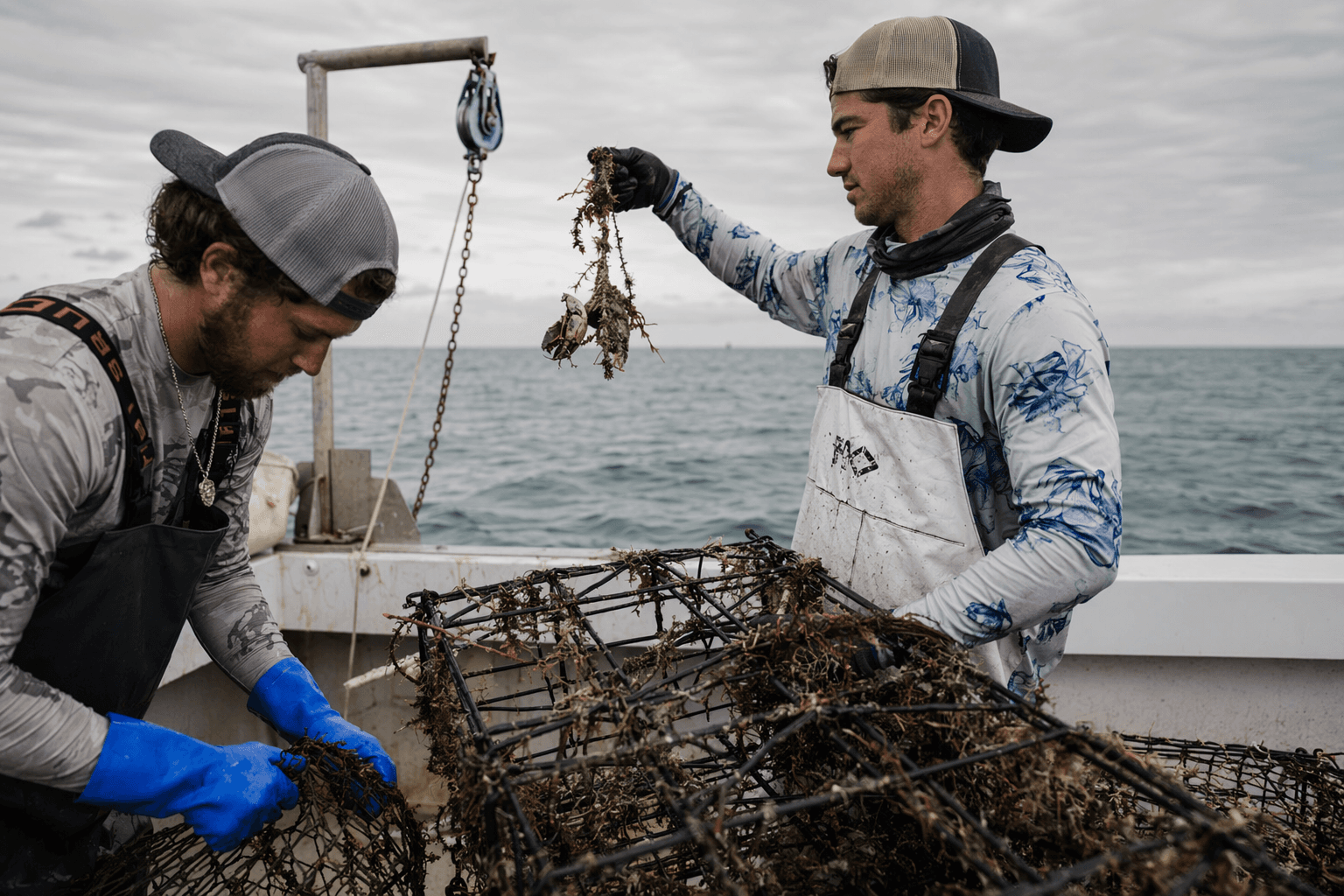
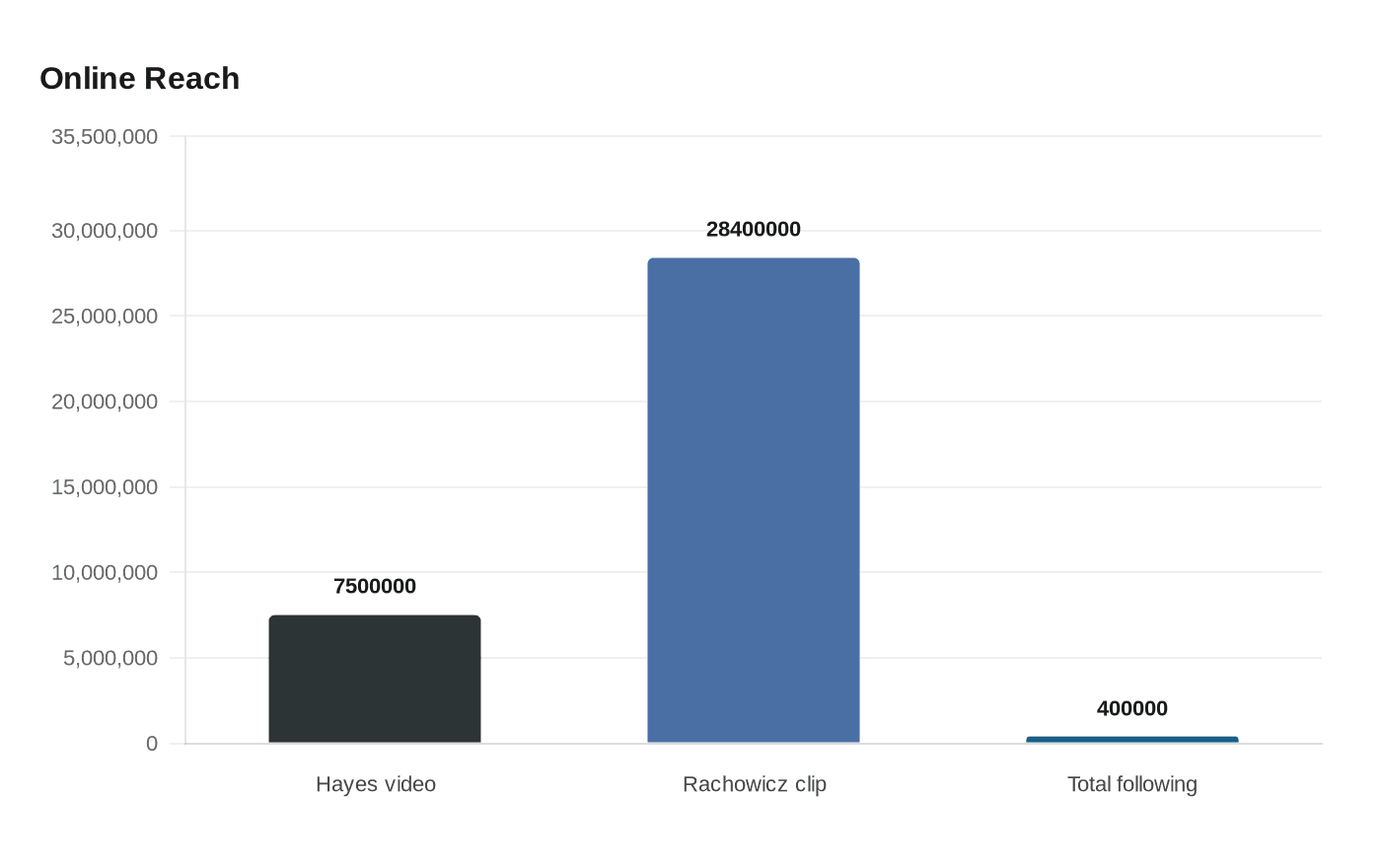
Jesse Hayes and Conner Rachowicz are proving that a commercial fishing day in Islamorada can travel far beyond the dock. Together, the two fishermen have built a following of about 400,000 across TikTok, YouTube, Instagram, Facebook and Snapchat by posting what they pull from Keys waters, from stone crab claws to the strange marine life that shows up in their traps.
The numbers help explain why their videos keep landing. Hayes, 43, has drawn 7.5 million views with a video explaining how a stone crab regrows its claws. Rachowicz, 25, has reached 28.4 million views with a clip of a puffer fish inflating in his trap. In a county where commercial fishing is both an industry and an identity, those kinds of audiences are reshaping who gets to tell the story of the water.
A local trade with a global audience
What makes the Hayes-Rachowicz following unusual is not just the size of the audience. It is the subject matter. Their clips often feature baby octopus, urchins, moray eels and sargassum fish, creatures many viewers have never seen in person. That turns each post into a mix of entertainment and marine education, with working fishermen serving as informal guides to the hidden life of the Florida Keys.
The videos also help correct a common misconception in Monroe County and beyond: that commercial fishing is a narrow or static trade. In reality, the fishery is deeply tied to changing waters, changing markets and a changing media landscape. The pair have even had viewers accuse them of using artificial intelligence because the footage looks so unusual and polished. Their answer is simple in practice, if not always easy for outsiders to believe: the Keys produce strange, vivid and very real marine life.
That visibility matters because the fishermen are not posting from outside the industry. They are showing a working waterfront from the inside, one trap haul and one bycatch surprise at a time. For locals who know only the tourist postcard version of Islamorada, the feed offers a sharper look at what the water actually supports.
Why the economics matter in Monroe County
The digital attention would be notable on its own, but it lands in a county where commercial fishing still carries real economic weight. NOAA’s Florida Keys socioeconomic monitoring says commercial fishing has accounted for roughly 5% to 8% of the local economy, depending on how income is measured, and that monitoring has been running since fiscal year 1998.
The Florida Keys Commercial Fishermen’s Association says the commercial fleet supports more than 1,600 families, about 5% of Monroe County’s population. It also says Stock Island alone lands about 7 million pounds of seafood with a dockside value of $24 million, and that Monroe County has more than 350 federally permitted fishing boats, the largest commercial fleet from Texas to North Carolina. Those figures put Hayes and Rachowicz in context. They are not niche personalities off to the side of the economy. They are part of a broad network of captains, crews, dealers and dockside workers whose livelihoods still run through the county’s waterfront.
That is why the social media attention matters beyond vanity metrics. When a working fisherman reaches millions online, he is not simply selling a personality. He is helping the public see a local sector that already functions as a major export industry and a cultural anchor for the Keys.
A soft market pushes fishermen to diversify
The timing of the online success also reflects pressure in the seafood economy. Florida’s Department of Agriculture and Consumer Services says fishermen landed 96.5 million pounds worth $240.5 million wholesale in 2024, down 16.3% from 2023. The agency also says stone crab was the top-valued West Coast species that year at $41.2 million, followed by spiny lobster at $30.6 million.
For fishermen working in that environment, social media can do more than build a personal brand. It can create an income stream when traditional markets soften. Hayes and Rachowicz are using digital platforms to supplement what they make on the water, which is important in a business where weather, fuel, seasons and prices can all move against a crew at once.
That does not mean the online audience replaces the dockside economy. It means the fishermen are adapting to it. For Monroe County, where tourism gets the most attention but fishing still helps sustain working families, the shift shows how a legacy industry can stretch into new channels without losing its roots.
Rules, seasons and why education matters
The educational side of the videos also fits the regulatory reality of the fishery. The Florida Fish and Wildlife Conservation Commission says Florida’s stone crab fishery is the state’s third most valuable commercial fishery, with average annual dockside value near $30 million. It also says stone crab season is closed from May 2 through Oct. 14, and that the 2025-2026 season opened Oct. 15, 2025, and runs through May 1, 2026.
FWC rules add another layer of detail that the public often misses. Stone crab claws must meet a minimum size limit of 2 7/8 inches, and egg-bearing females cannot be targeted. Those are the kinds of facts that make Hayes’s claw-regrowth video more than a clever clip. It helps explain why the fishery is managed the way it is, why conservation and harvest are linked, and why the public discussion around commercial fishing should not stop at a photo of a cooler full of seafood.
That is especially relevant in Monroe County, where fishing itself is regulated by state and federal agencies rather than the county. Monroe County’s Marine Resources Office focuses on boating and waterway infrastructure, while county planning documents warn that working waterfronts, including fish houses and commercial fishing dockage, have been lost to redevelopment pressure. The result is a fragile landscape where access to the water can be as important as the catch itself.
What locals may misunderstand about commercial fishing
The viral videos help bridge a gap that has long shaped attitudes toward commercial fishermen. Many residents and visitors see the industry only in passing, usually through seafood menus, dockside trucks or debates over access and regulation. They do not always see the skill involved in handling traps, identifying bycatch or working with highly seasonal species that depend on strict rules and narrow market windows.
Hayes and Rachowicz are changing that by showing the messier, more surprising side of the job. A puffer fish inflating in a trap is not just internet bait. It is a reminder that the Keys waters are biologically rich and that fishermen spend their days sorting through that complexity. A stone crab claw explanation is not only educational content. It is also a clear demonstration of how a regulated fishery works in practice.
For Monroe County, that matters because public support often follows familiarity. The more people understand about what commercial fishermen do, the harder it becomes to flatten the trade into stereotypes. In Islamorada, where the water has always been both workplace and identity, social media is giving the next generation a new way to see the old economy.
What Hayes and Rachowicz have built is bigger than a pair of viral accounts. It is evidence that the Keys’ working waterfront can still speak loudly, even in a digital age, and that the story of Monroe County’s fishing culture is now being written as much on the feed as on the dock.
Know something we missed? Have a correction or additional information?
Submit a Tip