Key West aquarium seeks over-water expansion behind historic site
Key West’s aquarium is asking to add about 1,200 square feet of over-water decking, a move that could reshape how the city weighs waterfront access and public trust.

Key West’s historic aquarium is seeking a modest but symbolically loaded expansion over the water behind its Whitehead Street site, putting one of the island’s best-known attractions back in front of the city’s land-use gatekeepers. The request calls for a Minor Development Plan and Conditional Use that would allow about 1,200 square feet of over-water decking and a wave attenuator, a design that could improve the visitor experience while testing how far the city will let private and quasi-private uses reach into its limited shoreline.
The City of Key West Planning Board is scheduled to review the proposal Thursday, and its role is central to what happens next. The board hears development approval requests and land-use changes, which means the aquarium’s plan is not a routine maintenance item but a formal decision about whether new over-water construction fits the city’s rules, its waterfront protections and the character of one of the most visible parcels in Key West.
That visibility matters because the Key West Aquarium is not just another business on the waterfront. The building was constructed between 1932 and 1934 and opened on Feb. 17, 1935, as Key West’s first tourist attraction and the first open-air aquarium in the United States. The city marked its 90th anniversary in February 2025, proclaiming Feb. 17 as Key West Aquarium Day, a reminder that the site has long carried civic as well as commercial weight.
The aquarium says it reopened in 1982 after restoration and expansion in the late 1970s, when the aging facility was updated to keep pace with tourism. Today, it says it houses more than 250 specimens of fish, sharks and four of the five species of sea turtles found in the Florida Keys, giving the project a clear operational rationale: more room could support a more immersive waterfront setting for exhibits and education.
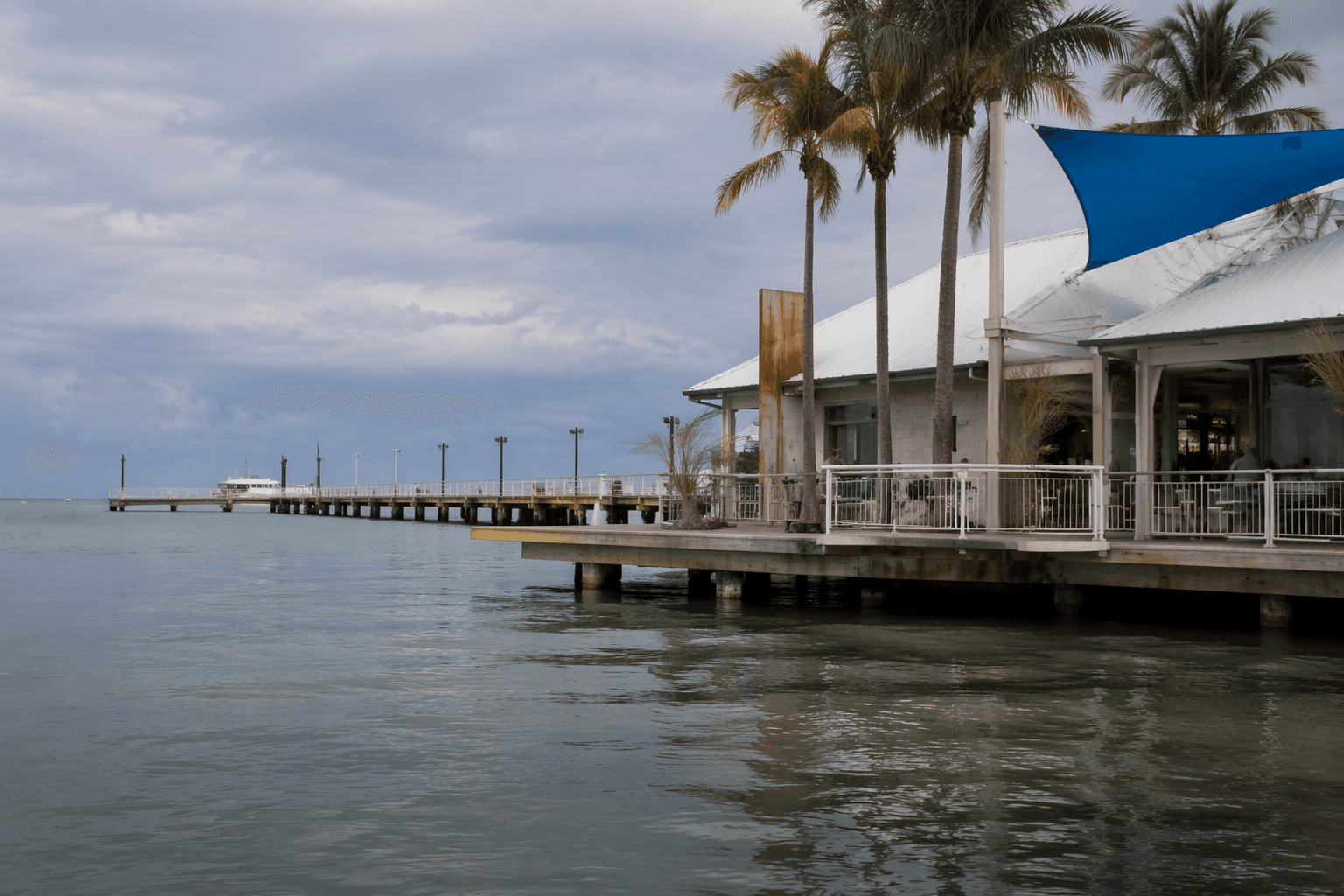
Still, any new structure jutting farther over Key West’s shoreline raises a broader policy question. The wave attenuator indicates the design is meant to deal with water conditions, not just foot traffic, and that puts the proposal squarely in the realm of waterfront engineering, environmental footprint and public-view protection. In a city where the Planning Department says its job is to maintain the fabric of one of the world’s most remarkable urban environments, even 1,200 square feet can become a precedent-setting question about how much more shoreline development the island will absorb.
If the board approves the plan, the aquarium would be able to move ahead with a change that appears small on paper but meaningful in practice. If it pushes back, the city will be signaling that even a historic attraction must clear a high bar before extending farther into the water.
This article was produced by Prism’s automated news system from verified source data, official records, and press releases, then run through automated quality and moderation checks before publishing. The system is built and supervised by the people who set the standards it runs under. Read our full AI policy.
Know something we missed? Have a correction or additional information?
Submit a Tip