Treasure hunters recover rare Atocha silver bar off Florida Keys
A rare Atocha silver bar has resurfaced off Key West, renewing questions about how Monroe County turns shipwreck history into tourism, research and private gain.
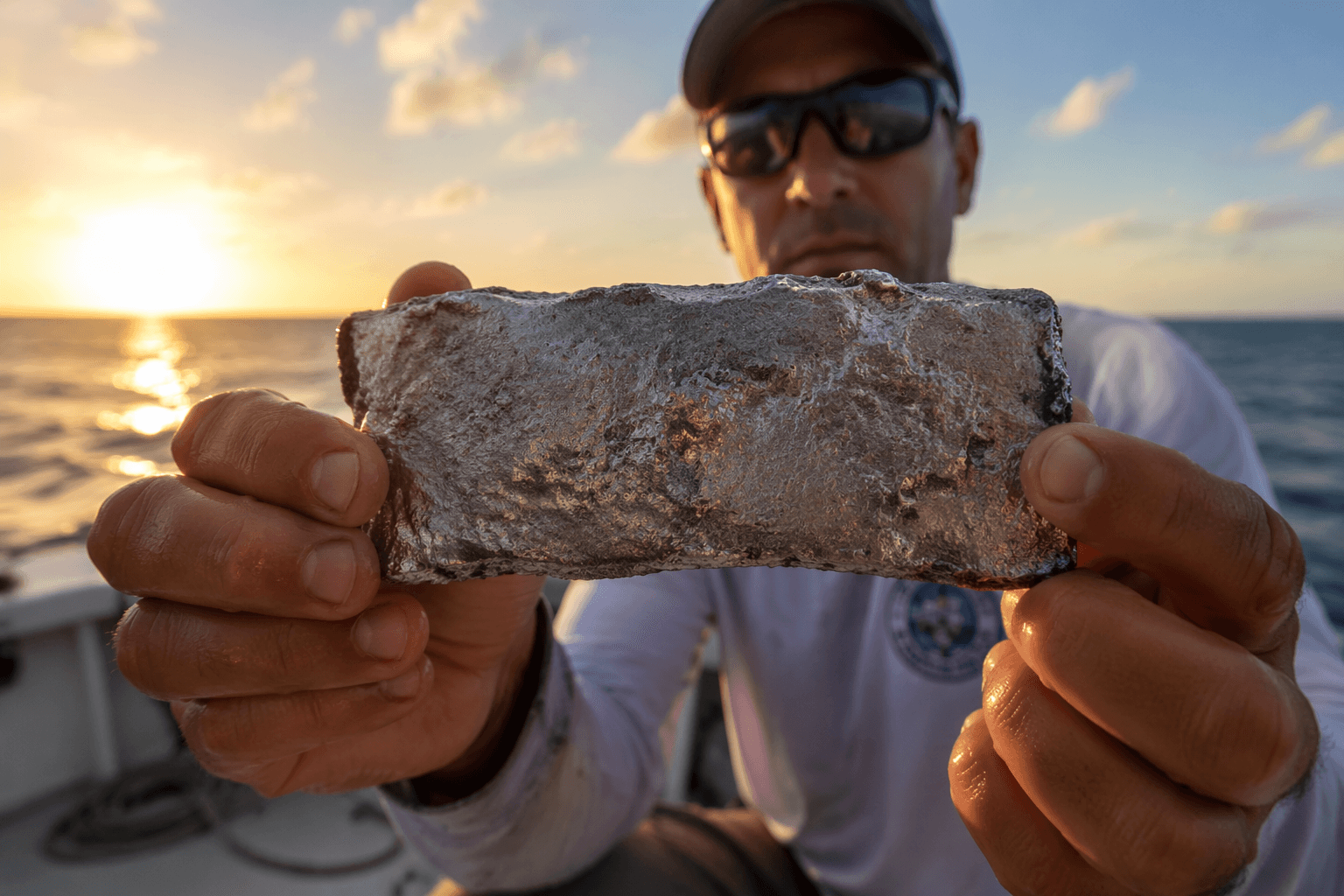
Monroe County’s shipwreck economy just got a new centerpiece: a 22.5-pound Atocha silver bar hauled up off Key West and tied to one of the most famous salvage stories in Florida history. For the Keys, the find is more than a headline. It strengthens the region’s identity as a living underwater archive while raising the familiar question of who benefits when centuries-old history comes back to the surface.
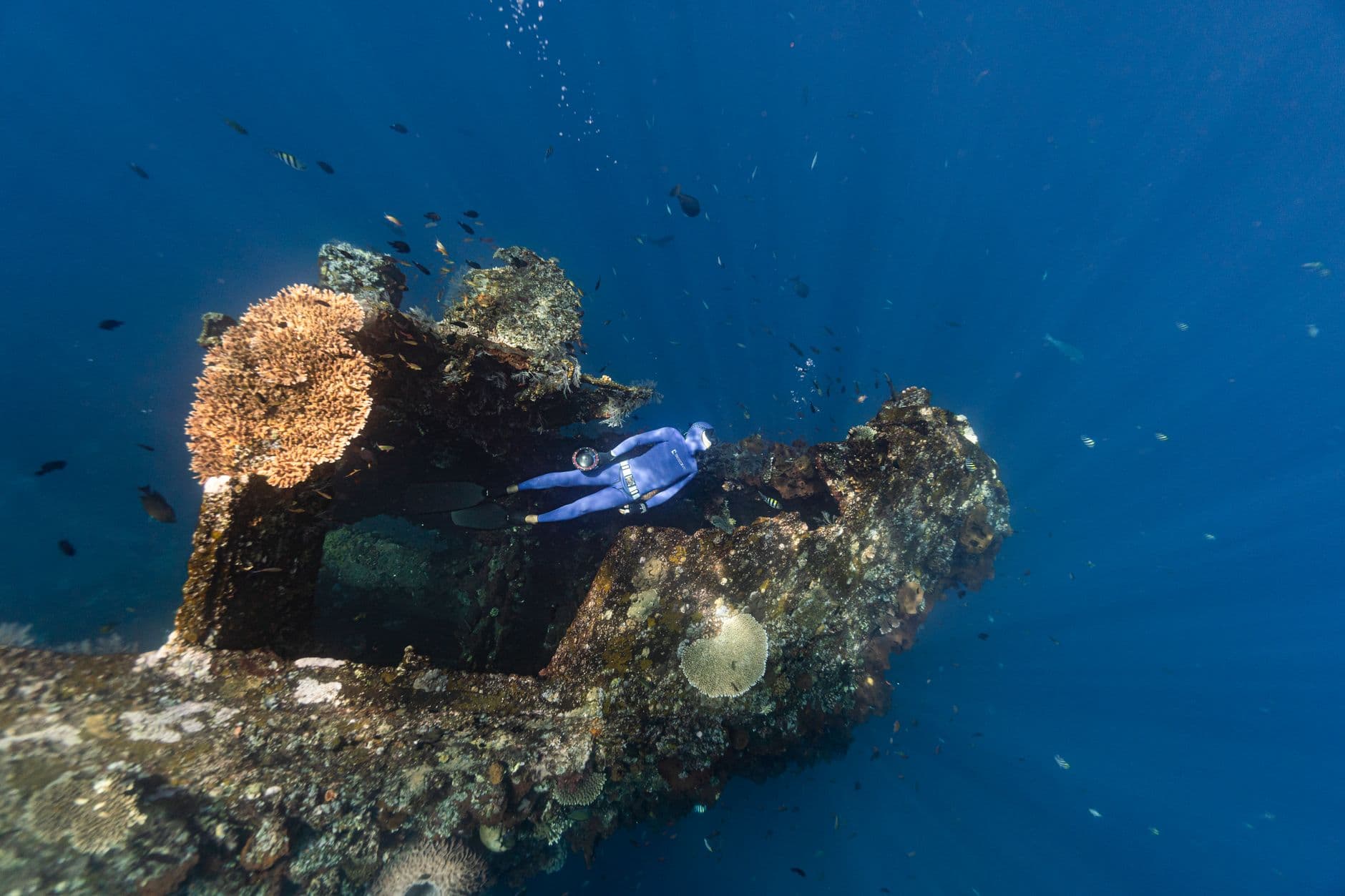
The bar came up June 11 from about 50 feet of water aboard the salvage vessel DARE, during the crew’s last dive of the day after a string of metal detector hits. Lead diver Blake Baker and captain Drake Nicholas worked through layers of more than 400 years of marine encrustation before realizing what they had found. Sean Browne of Mel Fisher’s Shipwreck Expeditions estimated the bar’s value at about $100,000, though he said it would likely be preserved intact because of its historical importance.
It was the first Atocha silver bar recovered by Mel Fisher’s team since June 1999, making this the first such discovery in 27 years. That gap matters in a county where the Atocha story is still part of the local economic and cultural landscape, drawing visitors, museum traffic and renewed attention to Key West’s maritime past.
The broader stakes reach beyond one artifact. Mel Fisher’s organization says more than $400 million in registered treasure and an estimated $500 million in smuggled emeralds remain to be found from the Atocha and related wrecks. Under the Fisher salvage structure, recovered treasure is typically divided among investors and the Fisher family, a system that keeps the operation tied to private enterprise even as the artifacts themselves become part of the public story.
That tension has defined the Atocha for decades. The ship was part of the 1622 Tierra Firme fleet that left Havana on Sept. 4, 1622, then was overtaken by a hurricane in the Florida Straits. By the morning of Sept. 6, seven vessels lay broken from the Marquesas Keys to the Dry Tortugas. Mel Fisher’s 1985 discovery of the Atocha remains one of the best-known shipwreck recoveries in modern maritime archaeology.
Today, the Fisher family says a third generation is carrying on the search, while institutions such as the Mel Fisher Maritime Museum in Key West and Dry Tortugas National Park help anchor the public side of that history. The museum describes itself as the only fully accredited museum in the Florida Keys, and the park was established in part to preserve submerged cultural resources such as shipwrecks. For Monroe County, the latest silver bar is both prize and test: whether a discovery this rare deepens public heritage or simply disappears into private hands.
This article was produced by Prism’s automated news system from verified source data, official records, and press releases, then run through automated quality and moderation checks before publishing. The system is built and supervised by the people who set the standards it runs under. Read our full AI policy.
Know something we missed? Have a correction or additional information?
Submit a Tip