Key West Sea Dogs win lease deal, easing dockage uncertainty
A unanimous June 4 vote capped Sea Dogs’ rent hikes at CPI, protecting about 250 liveaboards at Garrison Bight from steep marina increases.

The Key West City Commission gave the Sea Dogs a reprieve at City Marina at Garrison Bight, approving a new liveaboard dockage lease that kept annual rent increases tied to the cost of living instead of the steep jumps many residents feared. For about 250 people who call the marina home, the decision eased months of uncertainty about whether they could stay in place at one of Key West’s most visible waterfront communities.
The June 4 vote on item 26-5469 also backed away from the pricing structure in Resolution No. 23-241, the measure that had fueled the dispute over liveaboard slip rates. City records show City Marina at Garrison Bight has 245 slips straddling the Palm Avenue causeway, and the lease decision came as the marina moved through 2025 capital improvement work that includes seawall replacements, dock upgrades, parking improvements and other infrastructure investments.
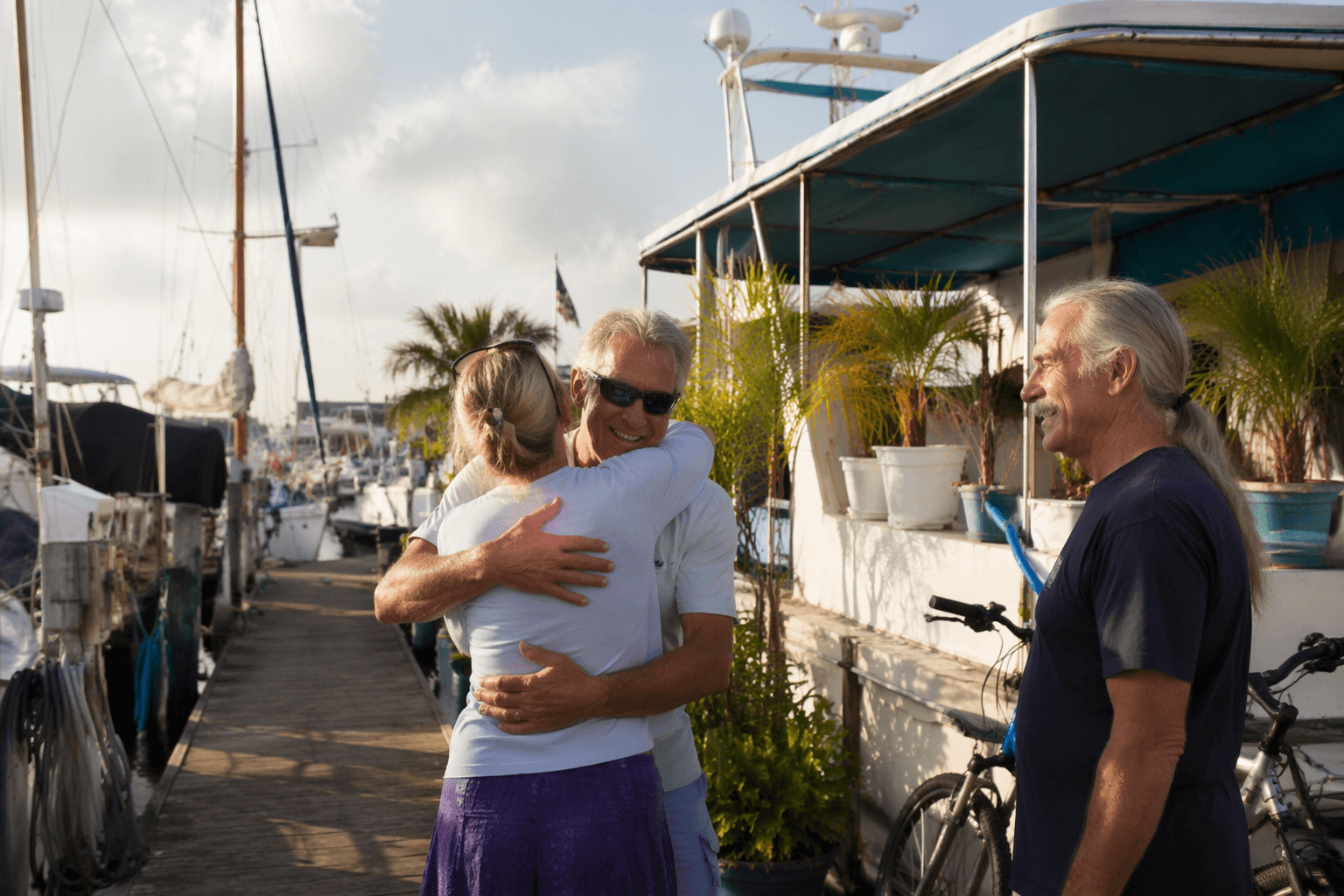
The conflict had centered on whether the city should price liveaboard slips like floating homes or like upscale leisure marinas with pools, private beaches, bars, restaurants and shuttle services. A 2024 market-rate study commissioned by the city reportedly recommended rates of about $49 per foot per month, far above the roughly $15.79 per foot per month that had been in place on the city-owned side of Garrison Bight. Opponents said the proposal would have raised rents by 50% to 70% and could have pushed many boats out of the marina. Joe Miccio, cofounder of the Key West Liveaboard Association, was among those arguing the higher prices would displace most residents, while Amanda Scott and Suzy Jo Moore also pressed commissioners to protect one of the last affordable ways to live in Key West.
Instead, the commission settled on CPI-based annual adjustments, a compromise that preserved some rent growth for the city while avoiding the sharper increases liveaboards had fought for more than a year. In earlier action, the city also grandfathered in 28 additional long-term liveaboard residents on another pier, widening the circle of people shielded from a sudden reset in housing costs.
The broader setting helps explain why the deal mattered. The Garrison Bight mooring field grew from 81 moorings to 149 with help from a Monroe County Department of Marine Resources grant, and those moorings now host a mix of full-time liveaboards and transient boaters. For Key West, the lease settlement was more than a rent agreement: it drew a line for how the city can manage public shoreline, preserve maritime housing and handle the next waterfront dispute before it hardens into another citywide fight.
This article was produced by Prism’s automated news system from verified source data, official records, and press releases, then run through automated quality and moderation checks before publishing. The system is built and supervised by the people who set the standards it runs under. Read our full AI policy.
Did this article answer your question?