Key West starts five-year project to upgrade 30 traffic signals
Downtown Key West crews have already upgraded signals at Simonton and Fleming, Simonton and Caroline, and Flagler and Fifth as a five-year overhaul begins.

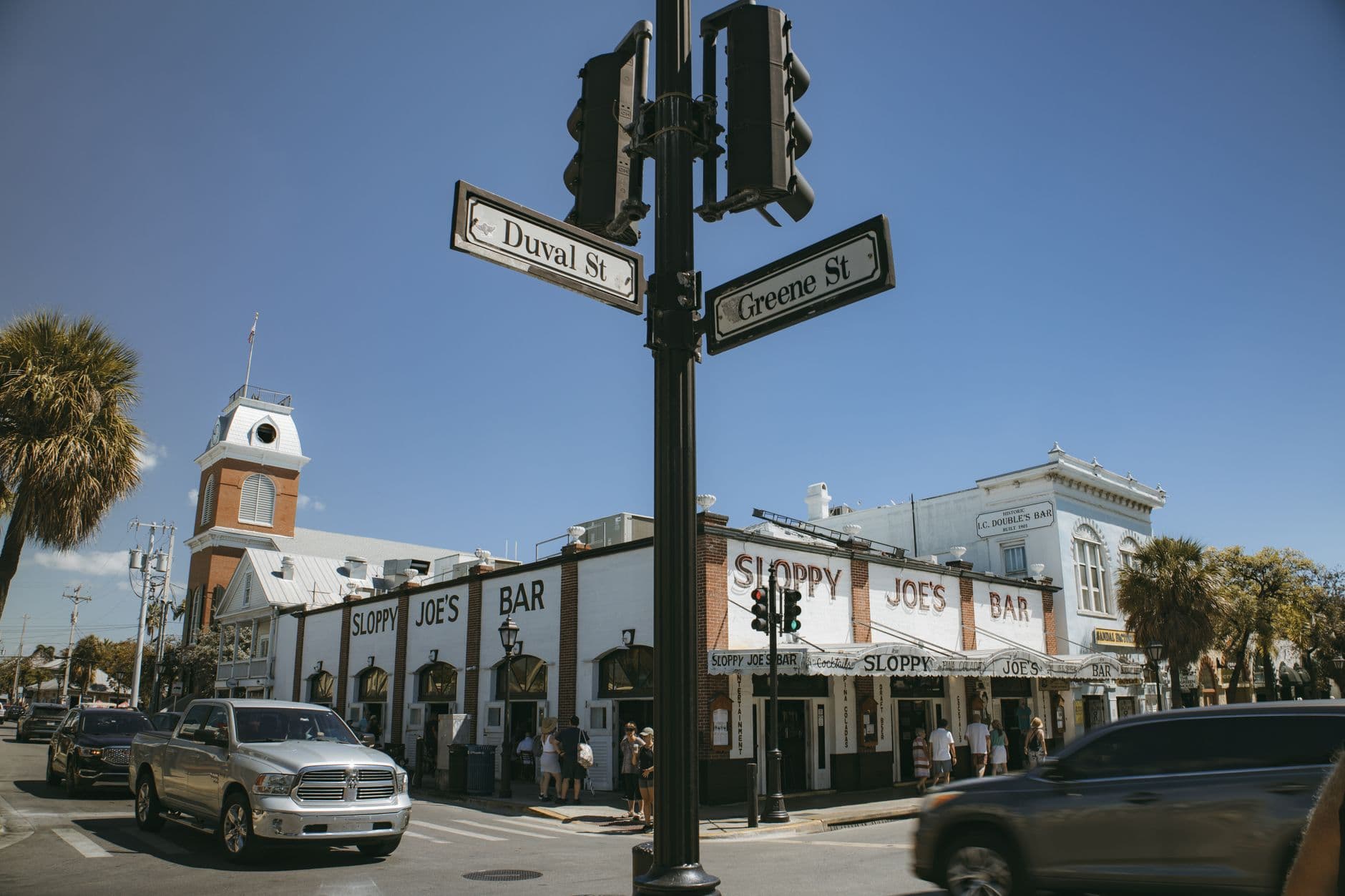
Drivers moving through downtown Key West are already seeing the first signs of a long signal upgrade campaign at some of the island’s busiest crossings. The City of Key West, working with Keys Energy, has launched a five-year effort to modernize more than 30 traffic signals across the community, a project that will shape commutes, pedestrian movement and emergency access at street level.
The earliest work reached Simonton Street and Fleming Street, Simonton Street and Caroline Street, and Flagler Avenue and Fifth Street on June 11. Those intersections sit in the heart of the city’s dense traffic grid, where a signal failure or delay can ripple quickly through daily travel, from downtown driving to pedestrian crossings near shops, neighborhoods and civic destinations.
City leaders have framed the project as a broad infrastructure upgrade rather than a routine repair cycle. Over five years, the work is expected to touch a large share of Key West’s transportation network, with the goal of keeping the city’s busiest signals functioning more reliably as traffic patterns shift and demand grows. In a place where roads are narrow and crossings are heavily used, even a limited signal improvement can have an outsized effect on how safely people move through the island.
The local project also fits into a wider state modernization push. Florida Department of Transportation District Six said it will begin system operations on July 1 for the state-highway signals in Key West, covering 17 signalized intersections, five High-Intensity Activated Crosswalks, and one emergency signal across about 4.4 miles along US 1. FDOT said it spent more than a year coordinating with area stakeholders and aimed for zero downtime for drivers during the transition.
That state work added wireless routers, new traffic signal controllers, backup power supply systems at each signal, cabinet-door retrofits for easier police access, and remote management through the SunGuide Transportation Management Center. FDOT’s Keys COAST project is also designed to use connected-vehicle technology for transit signal priority, emergency-vehicle preemption and freight signal priority, underscoring how quickly traffic control in Key West and the Florida Keys is moving toward a more networked system.
For Monroe County residents, the practical question is not whether the signals will change, but how steadily the upgrades advance from one intersection to the next. The first downtown sites give the clearest early marker of where that five-year timeline has already started.
This article was produced by Prism’s automated news system from verified source data, official records, and press releases, then run through automated quality and moderation checks before publishing. The system is built and supervised by the people who set the standards it runs under. Read our full AI policy.
Did this article answer your question?