Marathon's Turtle Hospital Marks 40 Years of Sea Turtle Conservation
Bubble Butt, struck by a boat off Long Key in 1989, is still living at Marathon's Turtle Hospital, which marked 40 years and 3,000 rescues this week.
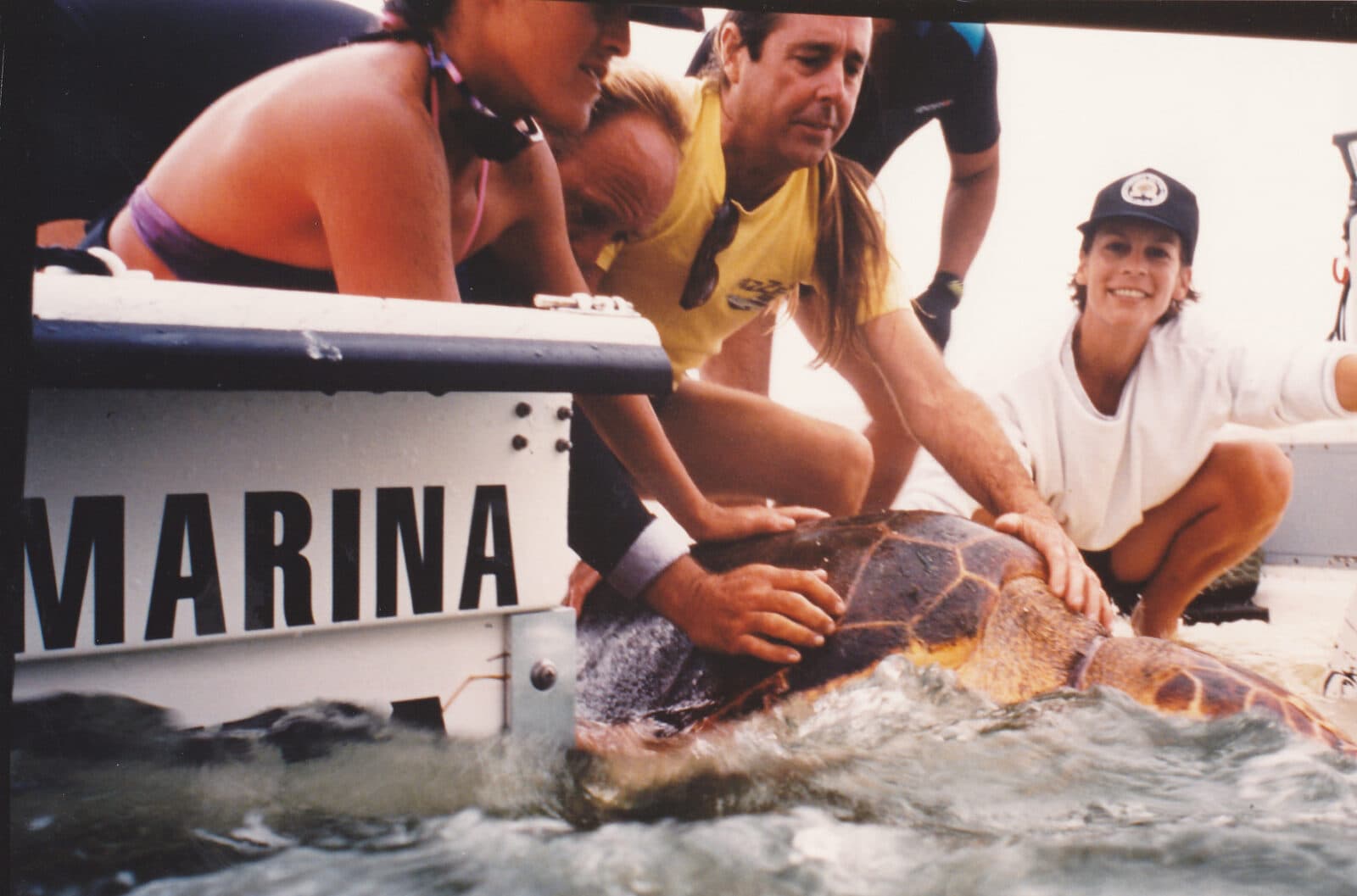
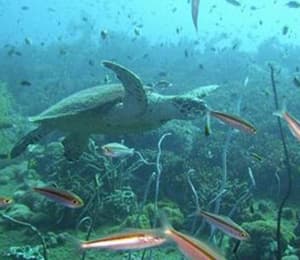
A green sea turtle named Bubble Butt was pulled from the water off Long Key on March 25, 1989, after a boat strike left her with a permanent buoyancy disorder that would make a return to the open ocean impossible. More than 35 years later, she is still at the Turtle Hospital on Marathon's Overseas Highway, the facility's first and longest-tenured permanent resident. For the staff who pass her tank every morning, she is a living emblem of why the hospital exists. This week, the hospital marked four decades of that work.
The Turtle Hospital celebrated its 40th anniversary on April 8 with a community event organized in partnership with the Greater Marathon Chamber of Commerce, drawing local residents and conservation supporters for behind-the-scenes tours and a chamber-style business after-hours gathering. It was the kind of event that Marathon rarely stages without the hospital at the center of it.
Richie Moretti founded the hospital in 1986, not as a trained marine biologist but as a Volkswagen repairman who had moved to Marathon to run the Hidden Harbor Motel and fish for mahi mahi and tarpon. He kept finding injured sea turtles. He got the required permit, took in his first two green turtles that year, and never really stopped. When Hurricane Wilma later flooded the motel property, Moretti converted the building rather than restore it, establishing the hospital as a 501(c)(3) nonprofit. The former motel rooms now house staff and offices. The turtles, as Moretti has noted, effectively own the place.
Hospital Manager Bette Zirkelbach, who has run daily operations alongside Moretti, framed the anniversary in terms that go well beyond the Keys. "Reaching this 40-year milestone is about more than the 3,000 turtles we've saved," Zirkelbach said. "It's about the incredible global reach we've built. Compassion is contagious. By helping people from all over the world fall in love with sea turtles, we inspire them to become lifelong protectors of the ocean, ultimately securing the future of the sea turtles."

Three thousand successful releases over four decades is a remarkable number, but the hospital's educational reach may carry equal long-term weight. About 40,000 people move through the facility's 90-minute guided tours each year, and those visits have measurably changed the hospital's rescue volume. "They're the same people boating and fishing and going out on our water," Zirkelbach said. "Since we've increased educational programs, six out of 10 of our rescue calls come from people that have been through the center."
That stat points directly at the hospital's most urgent ongoing challenge: vessel strikes remain one of the leading causes of sea turtle injury, alongside fishing line entanglement and the ingestion of marine debris. The same waterways that sustain Monroe County's fishing and dive economy are the ones producing the hospital's caseload of roughly 100 patients per year. The facility operates three ambulances and a staff of 18, and it is on call around the clock.
The hospital's guided tours run daily from 9 a.m. through a final program start at 4 p.m., with departures every half hour, and ticket revenue directly funds veterinary care and husbandry. The facility, the world's first state-licensed veterinary hospital dedicated solely to sea turtles, also accepts donations through its nonprofit at turtlehospital.org, where visitors can find information on volunteering. For boaters and beachgoers, the most immediate contribution is behavioral: slow down in shallow grass flats and nearshore waters, report any injured or disoriented turtle to the Florida Fish and Wildlife Conservation Commission, and keep beaches dark and debris-free during nesting season. Bubble Butt has been waiting at the dock long enough.
This article was produced by Prism’s automated news system from verified source data, official records, and press releases, then run through automated quality and moderation checks before publishing. The system is built and supervised by the people who set the standards it runs under. Read our full AI policy.
Did this article answer your question?