Mississippi woman dies while snorkeling near Mule Key off Key West
A 63-year-old Mississippi woman died after a commercial snorkel trip near Mule Key, the second snorkeling death reported in the Keys in May.

A 63-year-old Mississippi woman died after a commercial snorkeling trip near Mule Key off Key West, adding to a string of recent water-safety tragedies in the Florida Keys.
Lecia Elizabeth Spriggs of Madison, Mississippi, was found unresponsive in the water Tuesday afternoon, May 26, while snorkeling near Mule Key with a commercial company, according to the Monroe County Sheriff’s Office. She later died, authorities said. The sheriff’s office provided the initial details and has jurisdiction across the island chain that stretches about 112 miles from Key Largo to Key West.
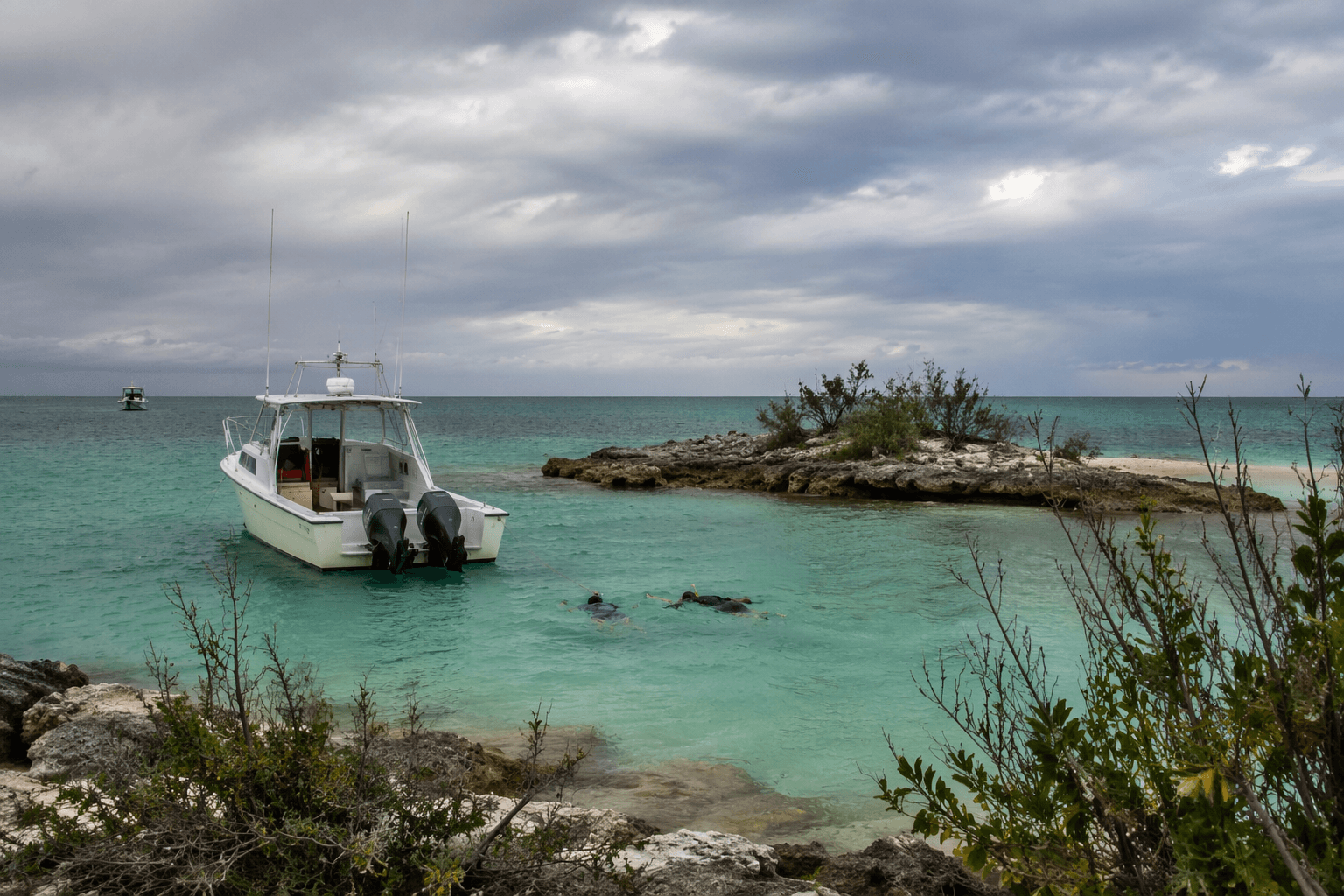
Officials have not released the name of the commercial operator or said what caused Spriggs to become unresponsive. It also remains unclear whether weather, current, exhaustion or a medical emergency played a role. Those unanswered questions matter in a place where snorkelers, divers and boaters all share the same narrow marine environment.
The death came in waters that are among the most heavily used recreation zones in the Keys. Monroe County’s marine resources office says it works to protect the nearshore marine environment and manage boating and waterway infrastructure, while the Florida Keys National Marine Sanctuary says the region draws visitors because of its reef, wrecks and other marine attractions. The Keys are home to the only living coral barrier reef in the continental United States.
This was not the only snorkeling fatality reported in May. Separate accounts said another man, 56-year-old Belmont resident Norman “Rocky” Tingle, Jr., died after a snorkeling incident off Key West near Cottrell Key earlier in the month. Taken together, the cases have sharpened attention on conditions in local waters and on how quickly an outing can turn into an emergency.
Commercial snorkel and dive operators in the Keys are often expected to brief passengers on conditions, watch for signs of fatigue or distress, and adapt to changing water and weather. NOAA’s Blue Star program is a voluntary recognition effort for operators that educate customers about responsible practices in the marine environment. That kind of preparation is especially important in a region where currents, crowding, sun exposure and medical problems can all increase risk once a person is in the water.
For visitors and residents alike, the basic precautions remain the same: check the weather, know your swimming ability, stay with the group, follow the captain or guide, and leave the water if conditions change or you begin to feel weak. In the Keys, even a routine snorkel can become a fatal emergency in minutes.
This article was produced by Prism’s automated news system from verified source data, official records, and press releases, then run through automated quality and moderation checks before publishing. The system is built and supervised by the people who set the standards it runs under. Read our full AI policy.
Know something we missed? Have a correction or additional information?
Submit a Tip