2026 Night-Sky Guide for Morgan County: Meteor Shower Dates
This guide lists the major meteor showers visible to Morgan County residents in 2026, with active windows and peak dates plus practical viewing tips. It also explains local impacts, community opportunities, and policy considerations that affect how and when you can enjoy these celestial shows.
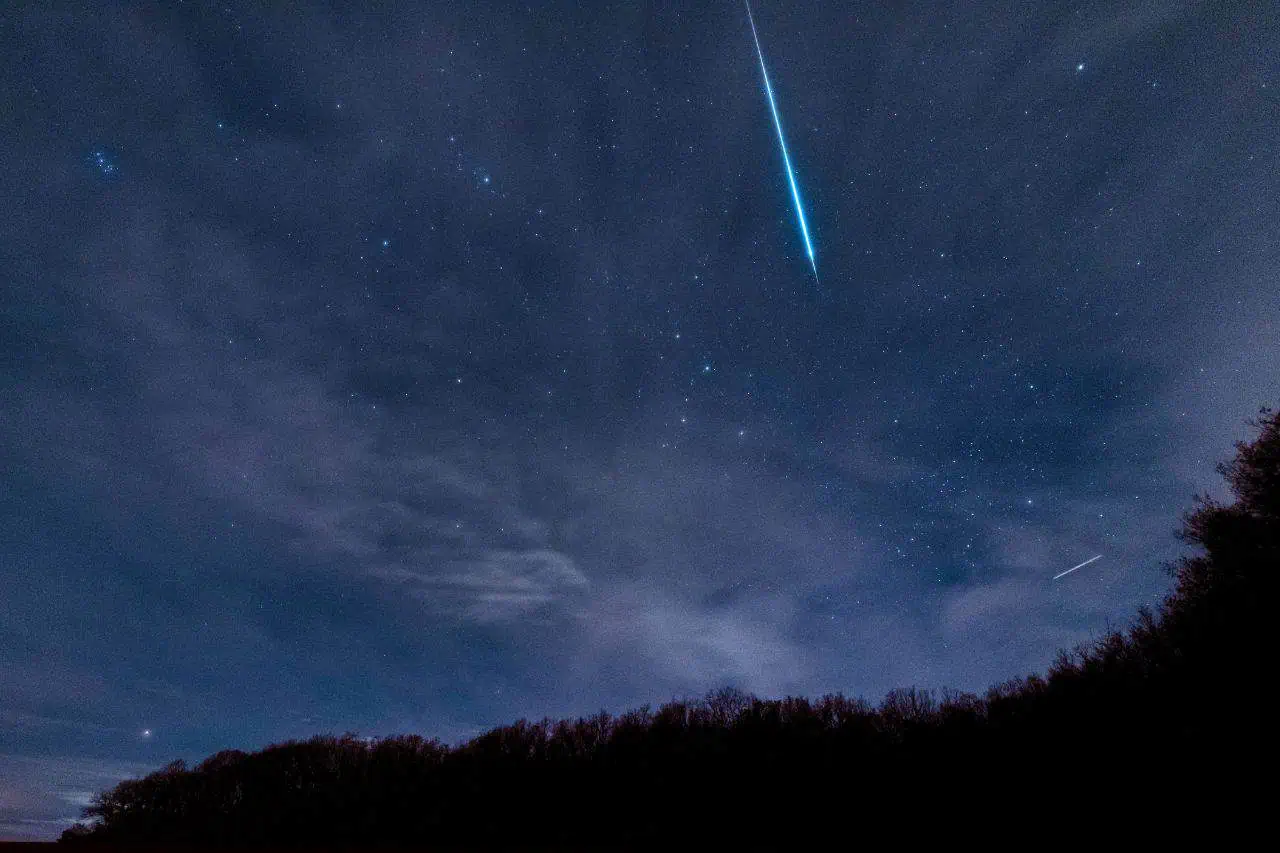
Intro Morgan County sits in a region where seasonal meteor showers are routinely visible from dark, clear sites. Below are the key showers for 2026, their peak dates and active windows when available, plus viewing advice tailored to local conditions, and notes on community and economic implications.
1. Quadrantids (active Dec. 28, 2025–Jan. 12, 2026; peak Jan. 2–3)
The Quadrantids are active from Dec. 28 through Jan. 12, with a sharp peak on the night of Jan. 2–3. This shower produces a brief but sometimes intense peak that can offer dozens of meteors per hour under ideal, moonless skies; the short peak means timing is critical. For Morgan County viewers, clear winter nights with low humidity give the best chances; find a dark, sheltered spot and plan for late-evening to pre-dawn viewing when the radiant climbs. Community significance: the Quadrantids can be an attractive New Year event for local astronomy groups and small-business tie-ins (coffee stands, warming stations), providing modest off-season economic activity.
2. Lyrids (peak Apr. 21–22)
The Lyrids peak around Apr. 21–22 and are known for steady, sporadic activity that typically produces tens of meteors per hour at peak under dark skies. Spring nights in Morgan County often have more variable cloud cover; check forecasts and aim for late evening through the early morning hours when the radiant rises. Local impact: Lyrids are well-suited to educational programs and family stargazing events hosted by schools or libraries, helping build local interest in science while creating small opportunities for parks and businesses to host related programming.
3. Eta Aquariids (peak May 5–6)
The Eta Aquariids peak on May 5–6 and are a strong spring shower best seen in the predawn hours as its radiant is low in the northern hemisphere. In Morgan County this shower is most visible just before dawn; moonlight and early morning twilight shrink the effective observing window, so planning to be outdoors around 3–5 a.m. gives the best chance. Community significance: because the time is early morning, organized watch events require coordination for safety and amenities (lighting to and from parking, warm beverages), which can create demand for local services and justify small investments by community groups.
4. Perseids (peak Aug. 12–13)
The Perseids, peaking Aug. 12–13, are among the most popular summer showers and often deliver dozens of meteors per hour at peak under clear, dark skies. Summer evenings in Morgan County typically provide comfortable viewing conditions and later dark skies that are friendly to families and tourists; the peak timing around midnight to pre-dawn is ideal for organized watch parties. Economic implications: Perseids viewing can attract visitors from nearby regions, boosting revenue for restaurants, lodging, and outdoor-gear retailers; coordinated local events can capture this value while promoting responsible parking and waste management.
5. Geminids (peak Dec. 13–14)
The Geminids peak on Dec. 13–14 and are consistently one of the strongest showers of the year, often producing high hourly rates and bright meteors. Winter timing means crisp, cold skies with typically lower humidity, good for visibility, but organizers should plan for cold-weather needs (heat, wind shelters) for observers in Morgan County. Community impact: Geminids are well-placed for holiday-season programming; local businesses and nonprofits can sponsor viewing nights, which provide modest economic benefits and community-building opportunities.
- Choose dark sites: For the best counts, leave town lights behind and seek county parks or rural roads where safety and parking are manageable. Dark skies dramatically raise visible meteor counts.
- Time your outing: For most showers, later evening through pre-dawn is best; check specific peak dates above and plan to be settled at least an hour before the peak night.
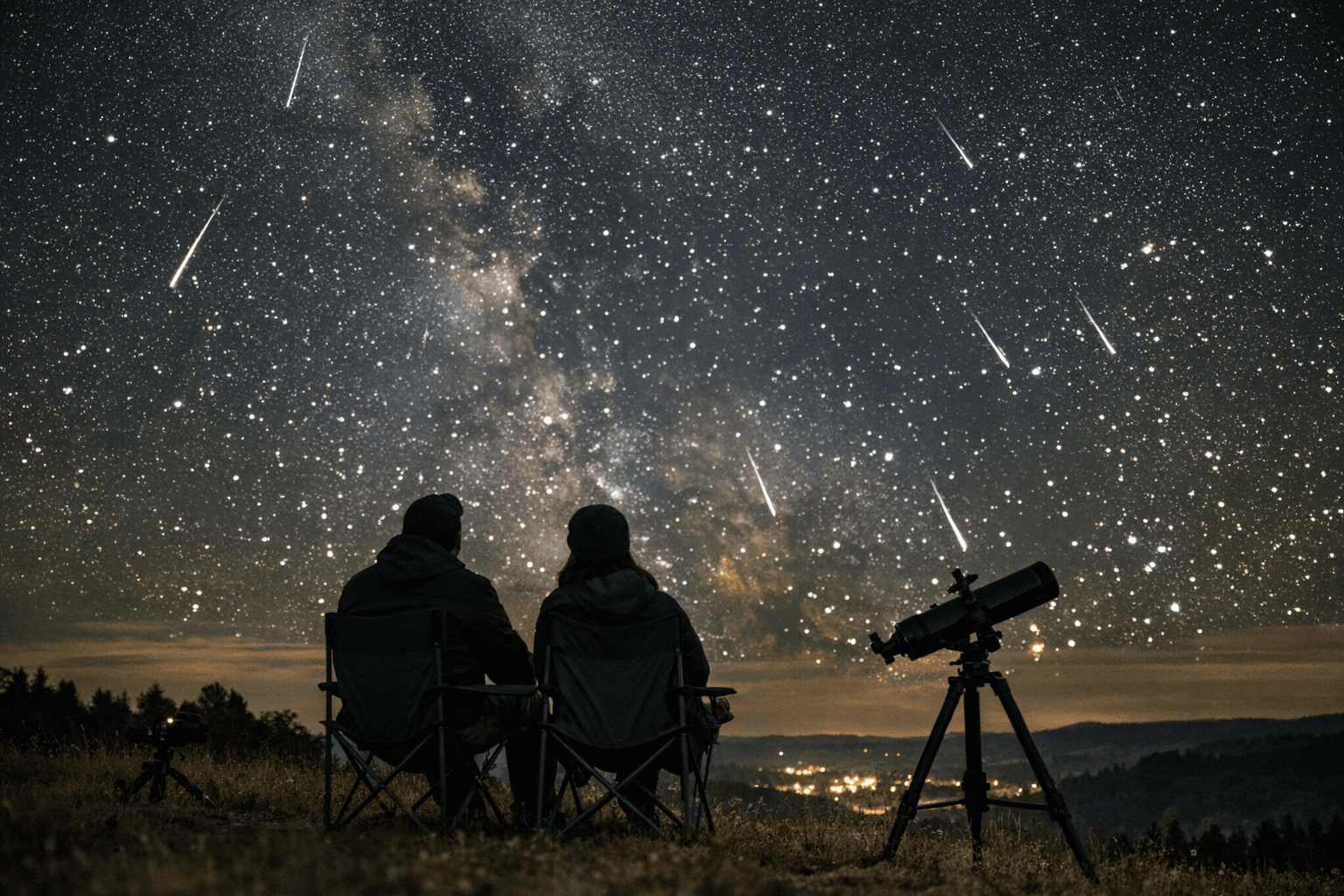
- Prepare for conditions: Bring blankets or reclining chairs to watch comfortably, dress for the season, and bring a headlamp with a red filter to preserve night vision.
- Use forecasts: Cloud cover, moon phase, and local weather determine success; check the night’s cloud forecast and moonlight level before heading out.
Viewing tips and logistics
Local policy and long-term trends Light pollution and municipal lighting policies materially affect night-sky visibility. Morgan County officials and residents can improve viewing conditions through straightforward policy steps: adopt shielded outdoor lighting standards, encourage lower-color-temperature LEDs, and limit nonessential overnight lighting in public spaces. These measures also produce economic co-benefits, energy cost savings for municipalities and businesses, while enhancing tourism potential linked to dark-sky recreation.
Long-term considerations include rising regional development and changing cloud patterns associated with climate variability, both of which can reduce the number of clear, dark nights over time. Investing in dark-sky initiatives and coordinated event programming helps preserve viewing opportunities and can create steady, small-scale economic returns from nature-based tourism.
How communities can make the most of 2026 showers 1. Coordinate public watch nights: Partner with schools, libraries, or parks to host guided events on peak nights, ensuring permits, parking, and basic amenities are in place. 2. Promote local businesses: Encourage local cafés, gear shops, and lodging to offer special hours or packages tied to major showers like the Perseids and Geminids. 3. Implement lighting policy changes: Work with county officials to adopt basic lighting ordinances that reduce glare and protect dark skies while saving energy. 4. Track outcomes: Simple metrics, event attendance, local business sales on event nights, or park usage, help quantify economic impact and guide future planning.
Conclusion The 2026 calendar brings five prime opportunities for Morgan County residents to enjoy meteor showers, from the winter Quadrantids to the December Geminids. With modest planning, attention to local policy choices on lighting, and community coordination, these celestial events can provide memorable experiences for residents and measurable local benefits for businesses and public spaces.
This article was produced by Prism’s automated news system from verified source data, official records, and press releases, then run through automated quality and moderation checks before publishing. The system is built and supervised by the people who set the standards it runs under. Read our full AI policy.
Did this article answer your question?