Forecasters Warn Morgan County of Rare Exploding-Tree Risk Amid Arctic Cold
Forecasters warned that an Arctic blast on Jan. 21 created rare tree-splitting risks as sap froze and expanded, posing hazards to people, property, and local infrastructure.
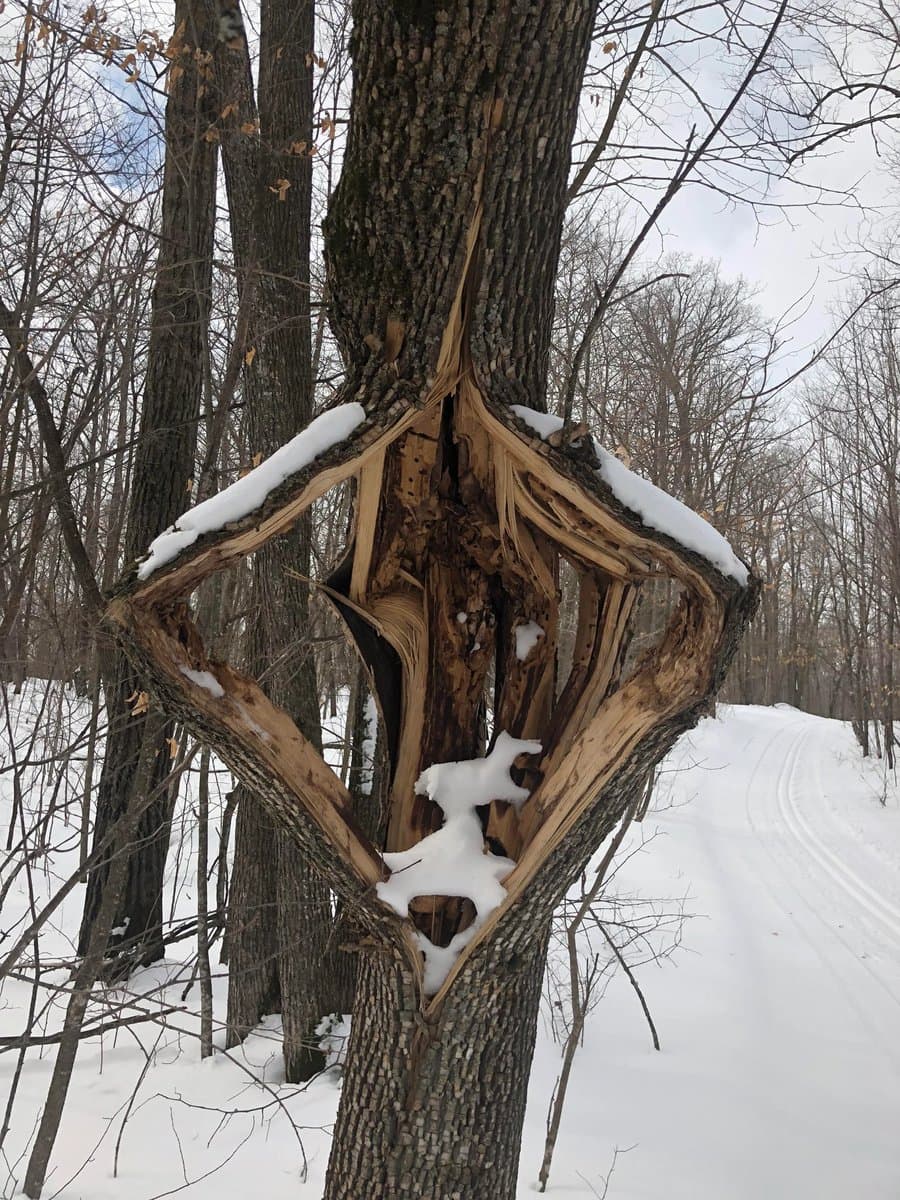
Dangerously cold air that swept through the region on Jan. 21 created conditions that can lead to rare but violent tree-splitting events often called "exploding trees." The phenomenon occurs when water in tree sap freezes and expands inside trunks, putting pressure on bark until it cracks or splits. Forecasters highlighted the risk as parts of the Midwest and Northern Plains recorded dangerously low temperatures that day, and social media in the region amplified images and concern.
The risk is uncommon but real for Morgan County. Forecasters and tree-science experts have noted that both weakened and otherwise healthy trees may be affected when a rapid plunge in temperature catches trees unacclimated. For residents, the result can be falling limbs, cracked trunks, and sudden hazards along streets, sidewalks, yards, and farm lanes.
Immediate public-safety implications include threats to people standing or walking near large trees, damage to vehicles and homes from split trunks or falling limbs, and secondary impacts on power lines and road clearance. Utility crews and public-works teams typically prioritize downed lines and blocked roads, but an uptick in tree failures can stretch local response capacity and delay services for households across Morgan County.
Institutional decisions will shape the speed and scope of recovery. County emergency management and public-works departments are the first line for road and safety issues, while electric utilities handle dangerous downed wires. Budget levels for tree trimming, right-of-way maintenance, and contracted arborist services influence how prepared any community is for rare events like this. Residents concerned about recurring vulnerability may want to raise tree-maintenance funding and utility vegetation-management practices with the county commission at public meetings, where policy choices and spending priorities are set.
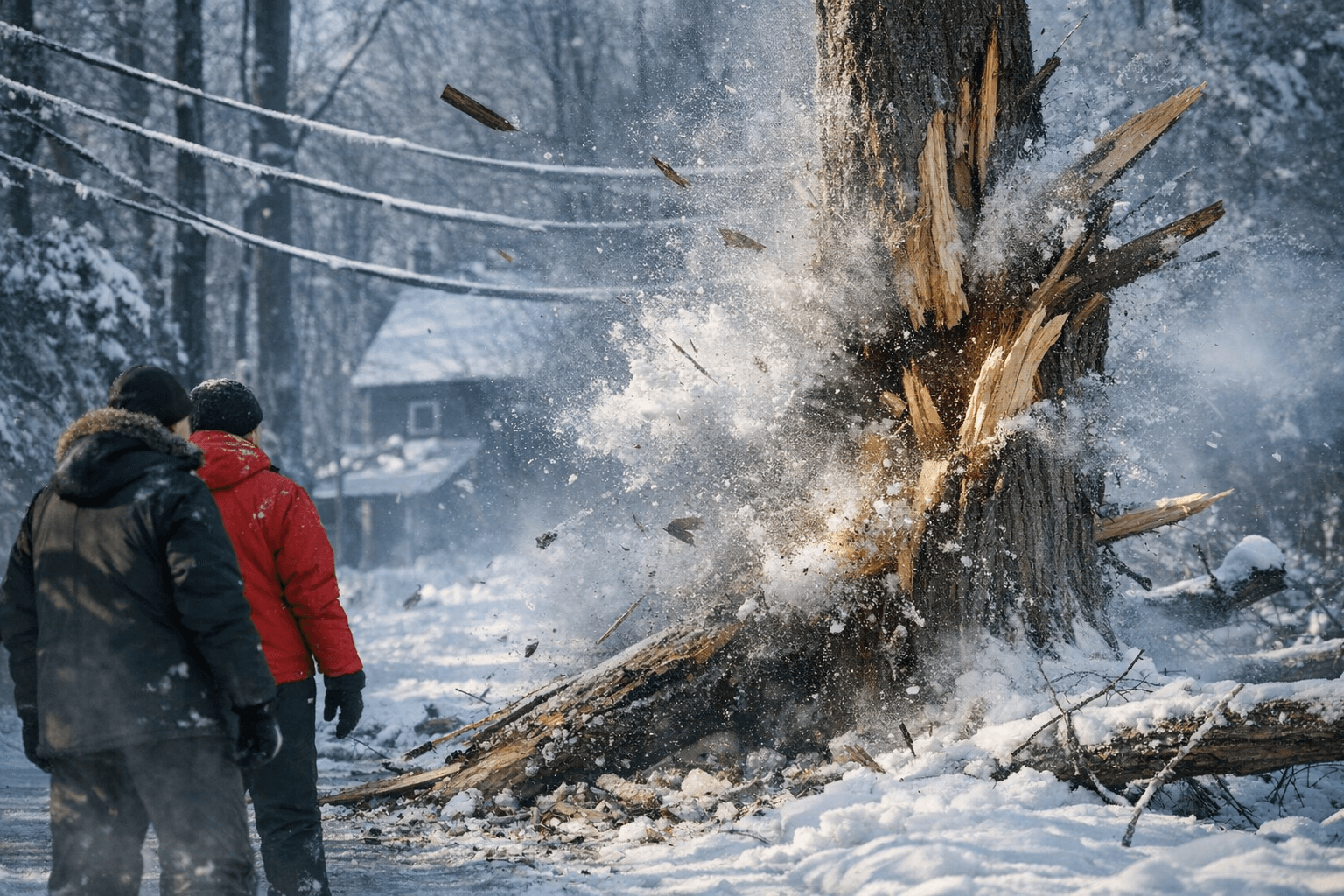
For homeowners, the practical steps are straightforward: avoid standing beneath large limbs during extreme cold snaps, steer clear of trees that are visibly splitting, and call 911 if there is an immediate danger to life or property. Report non-emergency hazards to county public-works or your utility provider so crews can triage risks. Property owners should document damage for insurance and consider professional arborist assessments after extreme cold events.
The Jan. 21 cold snap is a reminder that rare weather-related tree failures can produce outsized local consequences. How Morgan County balances prevention, emergency response, and infrastructure funding will determine whether the community is simply shaken by this episode or better prepared the next time Arctic cold rolls through.
This article was produced by Prism’s automated news system from verified source data, official records, and press releases, then run through automated quality and moderation checks before publishing. The system is built and supervised by the people who set the standards it runs under. Read our full AI policy.
Did this article answer your question?