Governor Duncan Mansion links Morgan County to Illinois political history
Jacksonville’s Governor Duncan Mansion is not just a preserved house, but a rare surviving governor’s residence that puts Morgan County at the center of Illinois’s frontier political history.

Governor Duncan Mansion still gives Morgan County something few places in Illinois can claim: a direct, physical link to the state’s earliest political power. Built for Joseph and Elizabeth Duncan between 1833 and 1835, the house served as the official executive mansion from 1834 to 1838, when Illinois government was still centered in Vandalia and the state’s political future was still being shaped on the frontier. Today, the mansion survives in Jacksonville’s State Street Historic District as a reminder that Morgan County was not on the edge of that story, but inside it.
A rare political landmark in Jacksonville
The easiest mistake to make about the Governor Duncan Mansion is to treat it as just another handsome old house. It is far more specific than that. The Rev. James Caldwell Chapter of the National Society Daughters of the American Revolution describes it as the only standing structure in Illinois outside Springfield that served as the governor’s mansion, which gives Jacksonville a distinction no other county seat in the state can match.
That distinction matters because it places Morgan County in the same early political map as Vandalia, Kaskaskia, and later Springfield. Joseph Duncan was Illinois’s fifth elected governor, and during his term the mansion functioned both as the Duncan family home and as a place where state business happened. In a state still being organized, the house was not symbolic architecture alone. It was part of government.
The mansion’s listing on the National Register of Historic Places on November 5, 1971, formalized that importance. Its location in the State Street Historic District also broadens the story beyond one house. The building belongs to a larger civic landscape that reflects Jacksonville’s role as a growing county seat, not just a stop on a heritage tour.
What you can still see today
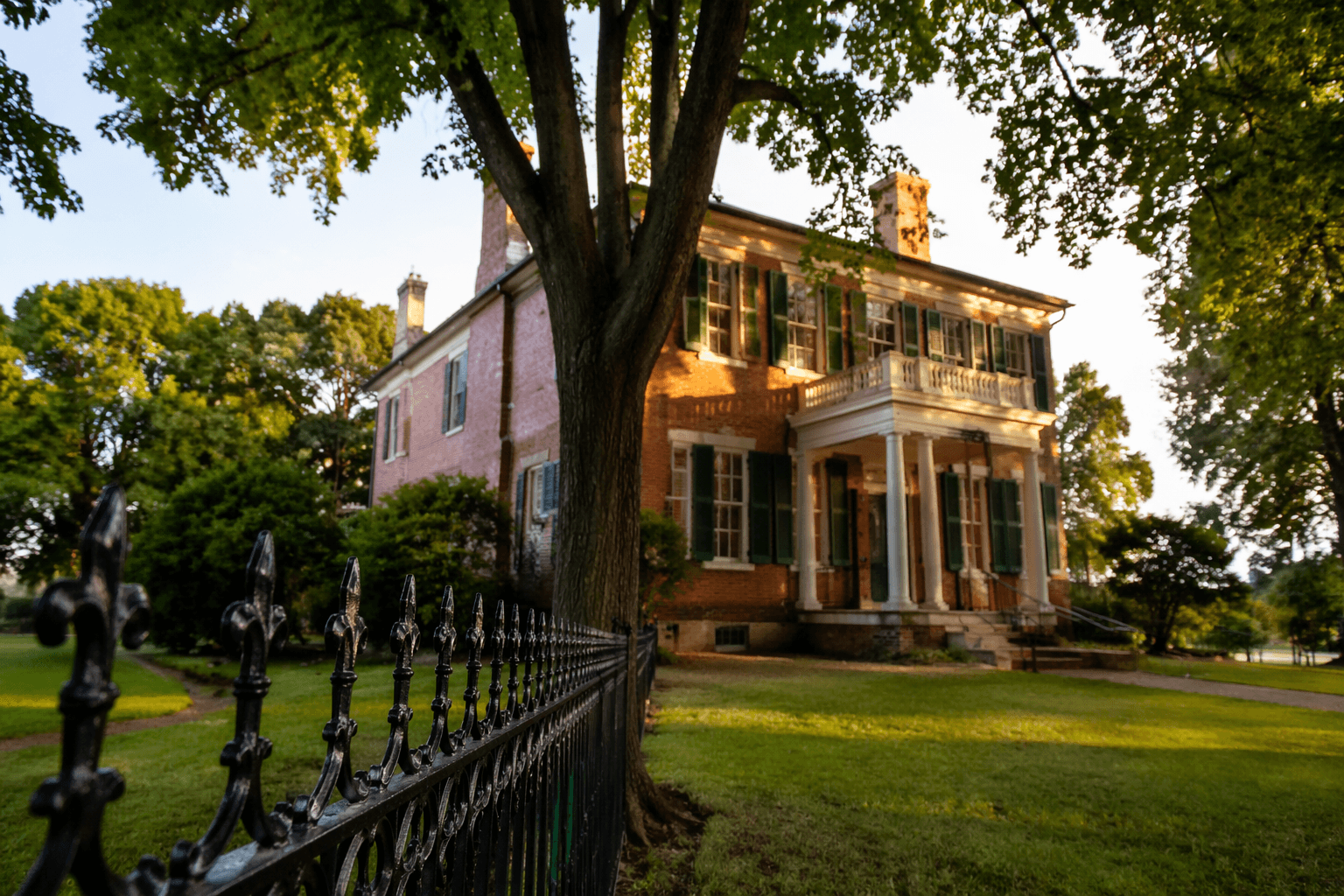
The mansion is now described as a three-story, 17-room house, and its own history materials say it has been restored to the Duncan time period. That restoration is part of what makes the site more than a marker on a map. Visitors are not looking at a shell of a former residence. They are seeing a carefully maintained interior meant to reflect the world of Joseph and Elizabeth Duncan.
Many original Duncan family furnishings are still said to remain inside, which helps explain why the house feels unusually intact for a property of its age. The surviving furnishings create a stronger connection to daily life in the 1830s, when Jacksonville was still a frontier community and Illinois politics were still mobile enough that a governor’s residence could sit outside the future capital city.
The home is owned and operated by the Rev. James Caldwell Chapter NSDAR. That stewardship has been central to its preservation. The chapter purchased the mansion when it was offered for $11,000 in 1919, with later records noting ownership in 1920. That decision kept the house from disappearing during a period when many historic buildings were lost to neglect or redevelopment.
The Lincoln connection is real, but local tradition goes further
The Duncan Mansion is often folded into Abraham Lincoln storytelling, but the strongest case for its importance is broader than a simple Lincoln stop. The national DAR site notes that Lincoln and Duncan were contemporaries in the Whig Party, that Lincoln served his first two terms as a state representative while Duncan was governor, and that Lincoln supported Duncan three times in voting records. That places the house inside the political network that helped shape pre-presidential Illinois.
Tradition says Lincoln visited the home, and that local memory adds color to the site’s history. The key distinction is that the documented record and the tradition are not the same thing. The mansion is still important without overclaiming. It stands as evidence of the environment in which Lincoln, Duncan, and other early Illinois figures operated, when relationships in Springfield, Vandalia, and Jacksonville overlapped in practical politics.
Another thread connects the house to the wider reform and civic culture of the period. The DAR’s national site says Ellen Hardin Walworth, a DAR founder, spent a great deal of time in the mansion with the Duncan children. That detail helps show the home was not merely a seat of power. It was also a family residence, with its own place in the social history of the era.
Why Joseph Duncan’s years still matter
Joseph Duncan’s term is tied to more than the walls of the mansion. The mansion’s history page says he oversaw the beginning of the Illinois and Michigan Canal’s construction in 1836, a project he had promoted in Congress and as governor. That matters because the canal was part of the infrastructure system that helped define Illinois’s economic future, linking inland communities to broader trade routes and signaling the state’s transition from frontier politics to modern development.
For Morgan County, that is the larger takeaway. Jacksonville was not just home to a notable residence. It was connected to the people and decisions that pushed Illinois toward growth, transportation investment, and a more durable political structure. The mansion survives as evidence of that larger moment.
Planning a visit
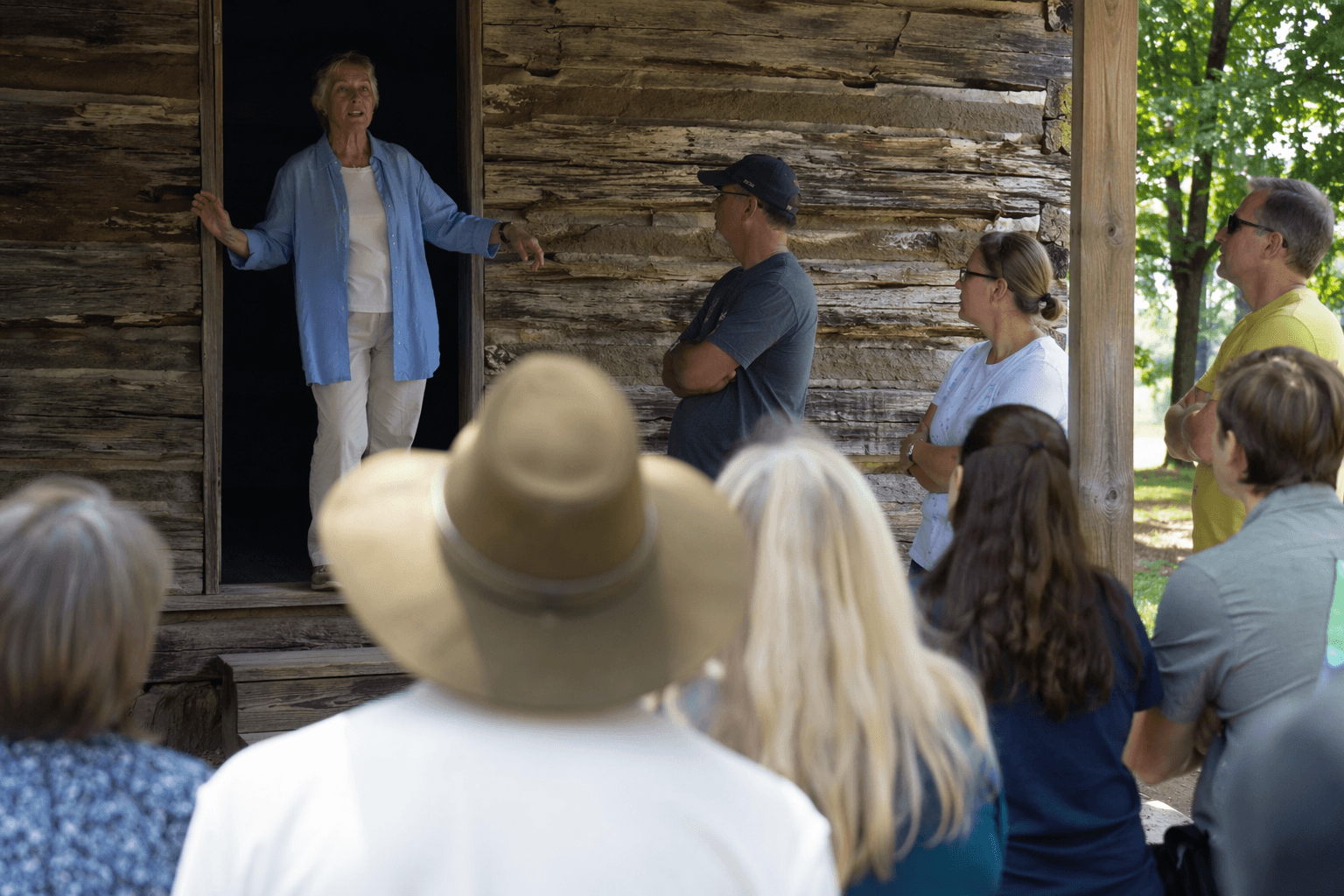
The mansion is open for tours, and the Jacksonville history tour page says it welcomes visitors Wednesdays and Saturdays from Memorial Day to Labor Day. Because tour availability can change for private events, checking ahead remains the safest approach. Even so, the regular schedule gives residents and visitors a concrete way to experience a site that is otherwise easy to drive past without realizing what it represents.
- Built between 1833 and 1835 for Joseph and Elizabeth Duncan
- Served as Illinois’s official executive mansion from 1834 to 1838
- Described locally as a three-story, 17-room Georgian-style mansion
- Added to the National Register of Historic Places on November 5, 1971
- Open for tours Wednesdays and Saturdays from Memorial Day to Labor Day
The Governor Duncan Mansion helps Jacksonville stand apart from other Illinois communities because it is not an abstract reminder of state history. It is a surviving house where that history was lived, governed, and preserved. In Morgan County, that makes it one of the clearest reasons the county still belongs in the first chapter of Illinois politics.
This article was produced by Prism’s automated news system from verified source data, official records, and press releases, then run through automated quality and moderation checks before publishing. The system is built and supervised by the people who set the standards it runs under. Read our full AI policy.
Did this article answer your question?