How to avoid ticket scams when buying summer event seats
Summer ticket deals can turn costly fast, especially through social media resales and fake transfer emails. Morgan County buyers can cut risk by using official sellers, credit cards and fast fraud reporting.
The Morgan County Fair in Jacksonville is scheduled for July 7-12, 2026, as the summer calendar fills up with concerts, festivals and other events in Morgan County. The safest ticket is usually the one sold by the venue, team or artist itself, especially when demand is high and seats are disappearing quickly.
Where ticket scams start
Most ticket problems begin when a buyer steps outside the official channel. Resale marketplaces can help after an event sells out, but they also open the door to counterfeit tickets, inflated prices and hidden fees that only show up at checkout. The Better Business Bureau received more than 140 ticket-scam reports on BBB Scam Tracker in the prior year, covering sporting events, concerts, theater and more.
The biggest danger spots are the places scammers know people shop in a hurry: individual sellers outside the venue, online auction sites, classified ads and social media posts. Fake transfer emails are another common trap, because they can look like a legitimate message from a ticket platform while sending buyers to a fraudulent site or a bogus download. If a seat price looks far below everything else on the market, that bargain can be the first warning sign.
A practical checklist before you buy
A careful buyer does a few things before entering a card number or sending money. First, check whether the seller is tied to the event itself. For the Morgan County Fair Grandstand in Jacksonville, the official ticketing partner is Etix, which gives local buyers a clear place to start before they consider any other listing.
Then compare prices across several listings so you know whether a ticket is priced within a normal range. If one seller is dramatically cheaper than everyone else, the deal may be fake or incomplete. It also helps to verify the seller’s reputation by looking for Better Business Bureau accreditation and reviews, and by checking whether a broker belongs to the National Association of Ticketing Professionals, the trade group formerly known as the National Association of Ticket Brokers.
Use this checklist before paying:
- Buy from the venue, team, artist or official event site whenever possible.
- Confirm the seller’s name, contact information and reputation.
- Compare the asking price with other legitimate listings.
- Look for BBB accreditation, reviews and complaint history.
- Check whether a reseller is part of the National Association of Ticketing Professionals.
- Make sure the site uses HTTPS and shows a lock symbol in the browser.
- Ignore random ad links that claim to lead to “official” resale pages.
- Treat any deal that sounds too good to be true as suspicious until proven otherwise.
The National Association of Ticketing Professionals advocates for ticket buyers and its membership, and its members now include official ticketing partners for many live-event entities. That does not make every resale site safe, but it gives buyers one more credential to check when they are deciding whether a broker is legitimate.
Pay the safest way
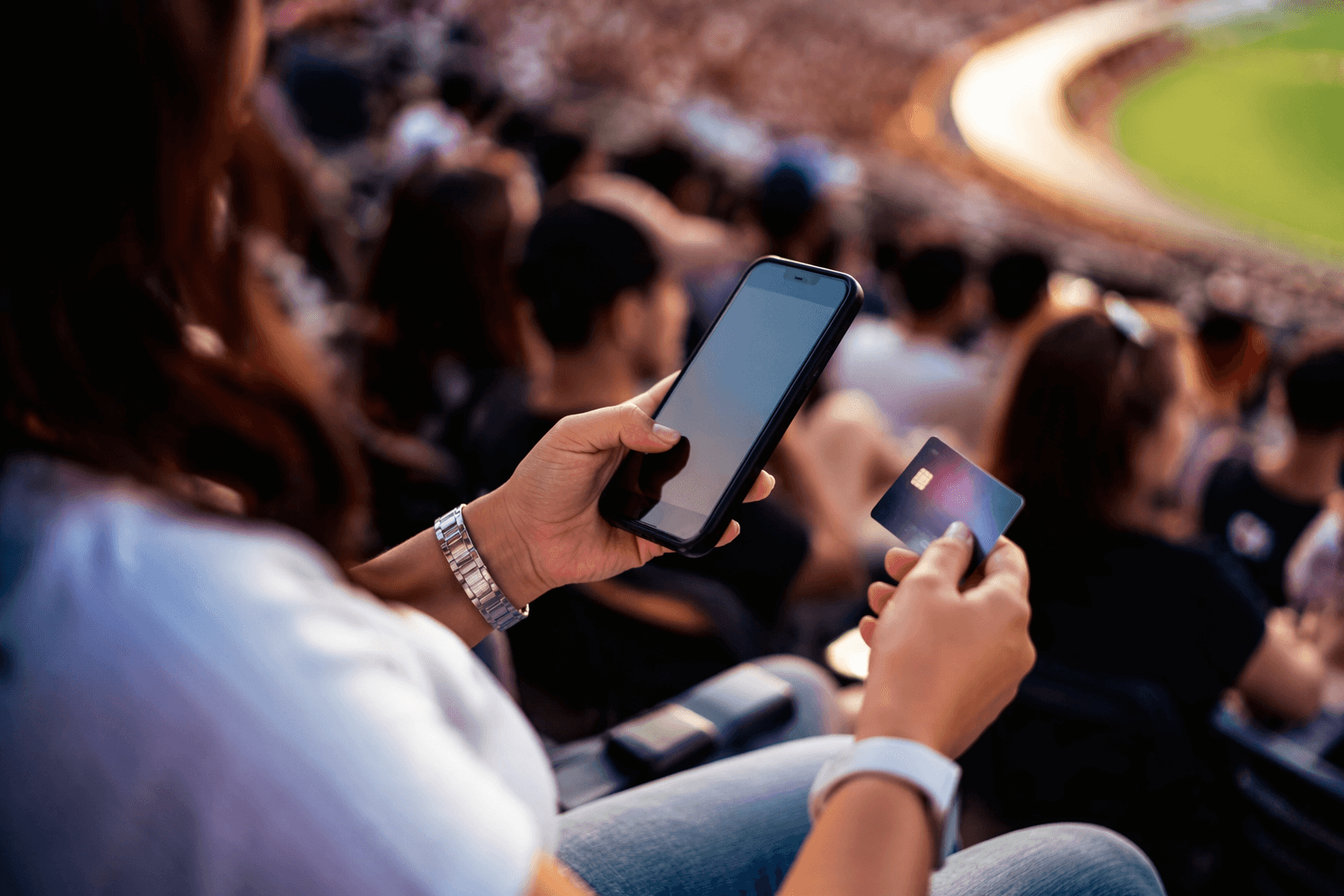
How you pay matters as much as who you buy from. A credit card is the strongest option because it gives you a better chance to dispute a fraudulent charge if the tickets never arrive or turn out to be fake. Cash, debit cards, payment apps, wire transfers and gift cards leave buyers with far less protection when a seller disappears.
A wire transfer or gift card is hard to reverse, and payment apps are often treated like cash once the money is sent. If a stranger insists on one of those methods for a supposedly hot seat, the payment method itself is a warning.
Watch the web address, not just the ad
Scammers often rely on speed and confusion. A page that looks polished can still be fake, which is why buyers should look for HTTPS and the lock symbol before entering payment details. If the ticket link came from a random sponsored ad, social post or text message, it is safer to open the official venue or team website directly and navigate from there.
Fake transfer emails are especially dangerous because they mimic the language of a legitimate delivery notice. A buyer may think a seller has transferred the seats, only to click a phony confirmation page that steals card data or login credentials. The safest response is to verify every transfer inside the official app or the official account tied to the event.
Why Morgan County buyers should pay attention now
Jacksonville’s downtown and tourism economy revolve around community draws like the fair, the Big Eli Ferris Wheel and other local attractions, and the Jacksonville Main Street District covers 44 square blocks with more than 300 properties and more than 190 businesses. When an area depends on events and foot traffic, demand spikes fast and scammers know people are looking for last-minute access.
With grandstand concerts and gate admission in play, tickets and add-ons can become targets for inflated resale prices and fake listings. Using the fair’s official ticketing partner is the cleanest way to avoid paying for a seat that does not exist.
What to do immediately if you get burned
If a ticket turns out to be fake or never arrives, move quickly. Call your credit card issuer and dispute the charge right away, because fraud protections are strongest when buyers use cards instead of cash or transfer apps. Save screenshots, emails, payment records and seller profiles so the bank can trace the transaction.
Then file a complaint with the Illinois Attorney General’s Consumer Protection Division if the scam affected you. Attorney General Kwame Raoul issued consumer alerts on February 28, 2025, and June 20, 2024, warning that third-party vendors and private sellers increase the risk of fraud, counterfeit tickets and higher total costs. If the seller operated through a marketplace, social platform or resale site, report the listing there as well so the account can be flagged.
You can also use BBB Scam Tracker to report the fraud and review patterns that may help other buyers spot the same trick. The bureau uses that public tool to collect scam reports.
This article was produced by Prism’s automated news system from verified source data, official records, and press releases, then run through automated quality and moderation checks before publishing. The system is built and supervised by the people who set the standards it runs under. Read our full AI policy.
Did this article answer your question?