Jacksonville Developmental Center’s legacy still shapes Morgan County history
The old state hospital still grips Morgan County because it was never just a building. It was a workplace, a campus, and a symbol of how state care rose, changed, and was left behind.
A campus that helped define Jacksonville
The Jacksonville Developmental Center still matters in Morgan County because it was once far more than an institution. It was a place where state policy, daily life, and local identity met on the same grounds at 1201 S. Main Street in Jacksonville, and its footprint still shapes how people talk about care, loss, and what should come next.
The story begins in 1847, when the Illinois General Assembly established what became the Illinois State Asylum and Hospital for the Insane within four miles of Jacksonville in Morgan County. It was the first state-run institution in Illinois for people with mental challenges, and the first patient was admitted on November 3, 1851. From the start, the campus reflected the scale and ambition of the era: a large, self-contained place meant to serve people over generations, not just for a short stay.
More than a hospital
What made the Jacksonville campus so memorable was the way it functioned like a small community. A 2024 Jacksonville Area Museum exhibit described it as “literally a small city,” and that description still fits the way former workers and neighbors remember it. The grounds held daily routines, staff jobs, and buildings that supported life far beyond basic treatment, turning the site into one of Jacksonville’s most important institutions for well over a century.
That scale also made the center one of the city’s largest employers for more than 100 years. When it closed in 2012, more than 400 people were employed there, which meant the shutdown reached far beyond the people who lived inside the facility. Families lost steady jobs, local businesses lost customers, and the community lost a major public employer that had helped anchor the local economy for generations.
Why the state closed it
The closure came through Governor Pat Quinn’s rebalancing initiative, part of a broader push to move people out of large institutions and into community-based care. State officials said the last remaining residents were transitioned out in November 2012 after the state board approved the shutdown, marking the end of an era that had lasted more than 160 years.
The numbers behind the decision were stark. A state factsheet listed 185 patients, 240 beds, 379 staff, and annualized operating costs of about $27.9 million before closure. The same materials said shutting the center would save the state about $11.7 million per year. Those figures help explain the policy case, but they also show the human tradeoff at the heart of institutional closures: cost savings on one side, and the disruption of a deeply embedded care system on the other.
For Morgan County, that shift remains part of the public health story. The closure reflected a national move away from large state institutions, but it also raised hard questions about continuity of care, where former residents went, and how communities absorb the loss of a facility that once handled care, employment, and local identity all at once.
What remains on the grounds
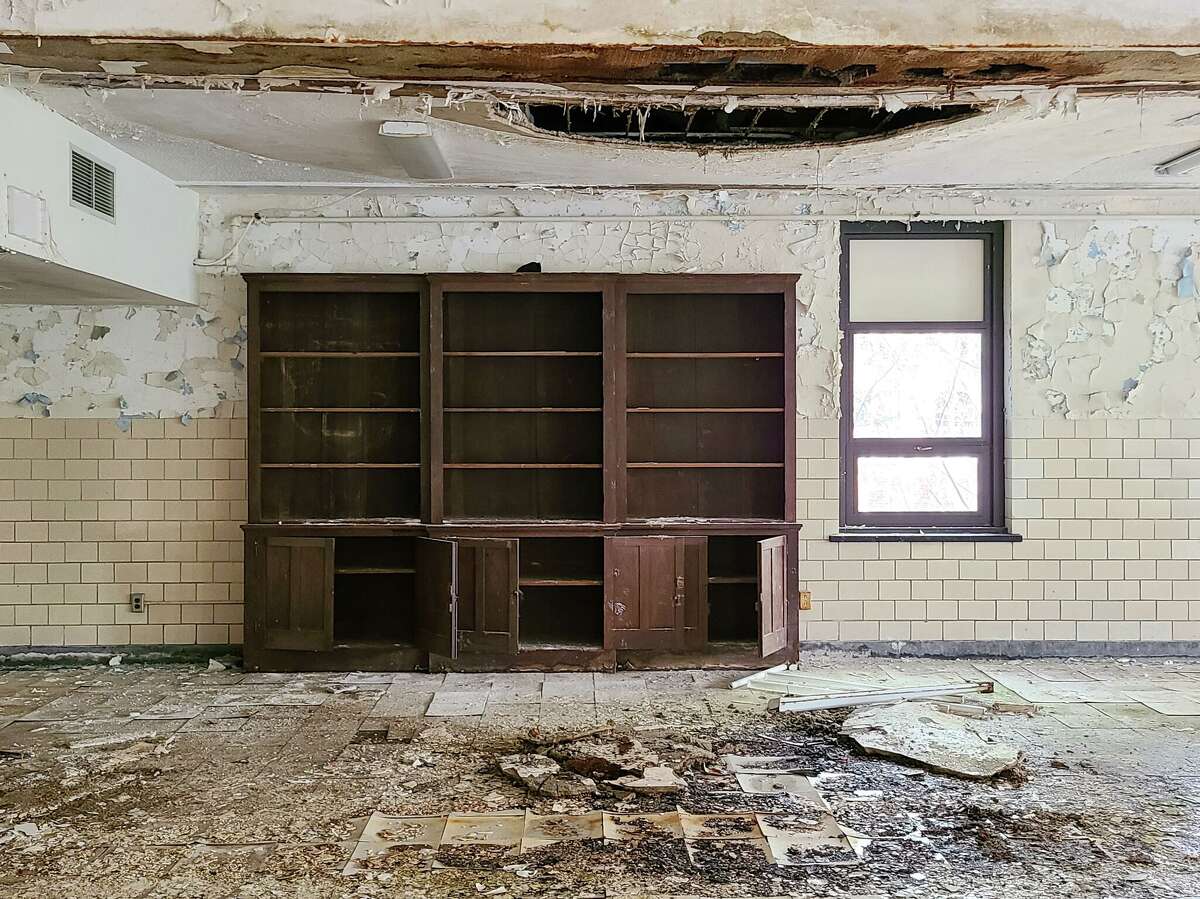
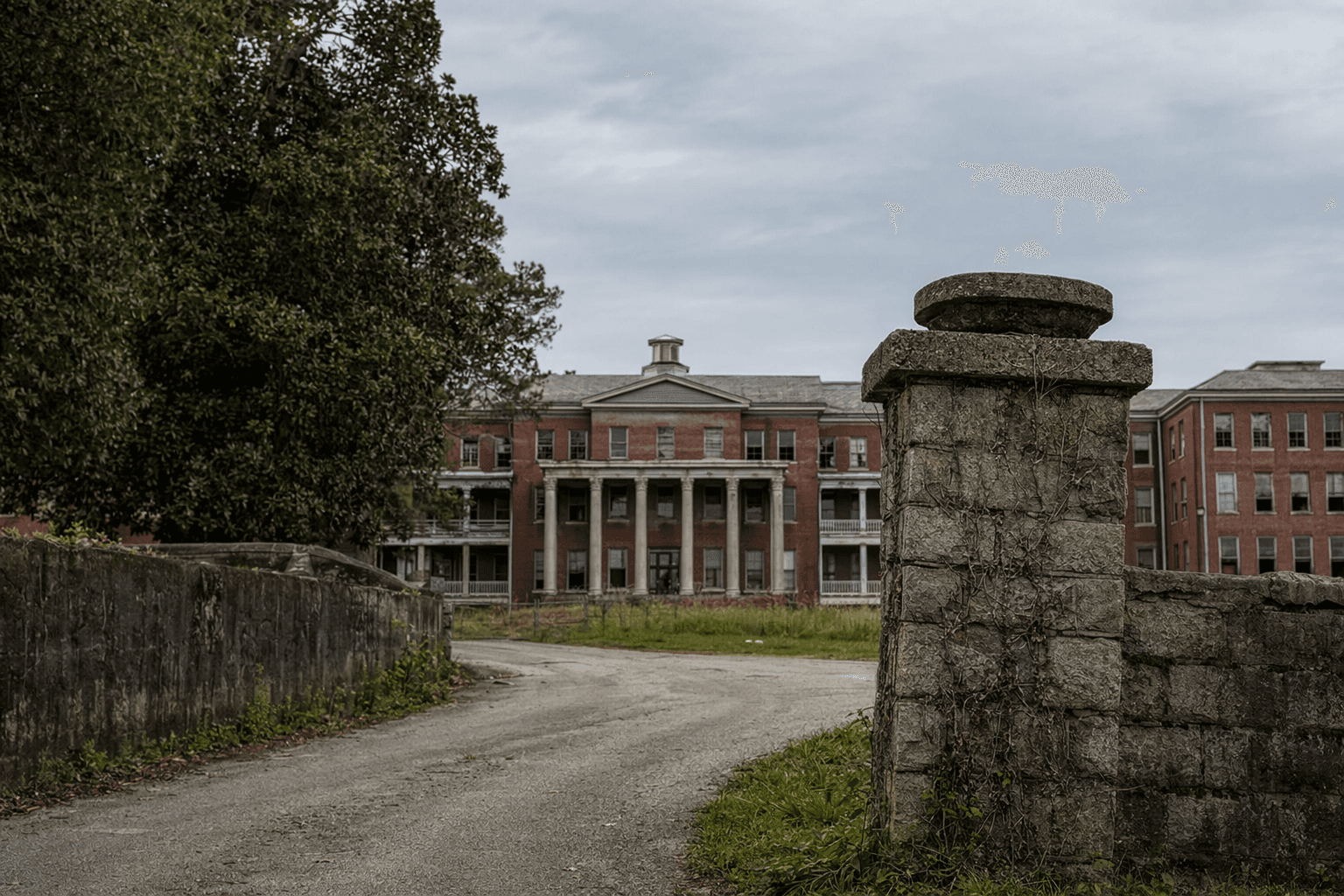
Since the closure, the campus has become a preservation problem as much as a historical one. Buildings that once held everyday life have deteriorated, and the site has been vulnerable to vandalism, fires, and break-ins. That decline is part of what makes the property so emotionally charged: people can see how quickly a major public site can slide from civic cornerstone to unsecured ruin.
The Gillespie Building has become one of the clearest examples of that risk. In August 2024, firefighters responding to a blaze found evidence of trespassing and previous fires inside the building, and the city said the structure was unsecured. Repeated calls for police and fire service have reinforced the same message: the campus is not simply abandoned, it is active in the worst possible way, as a site where neglect, danger, and memory now overlap.
Why people still care
Part of the continuing fascination comes from the physical evidence left behind. Hallways, rooms, and large institutional spaces still show the scale of the place and the long stretch of time it operated. Those images matter because they connect present-day Morgan County to an older system of public care, one that held both genuine hope and the limits of its era.
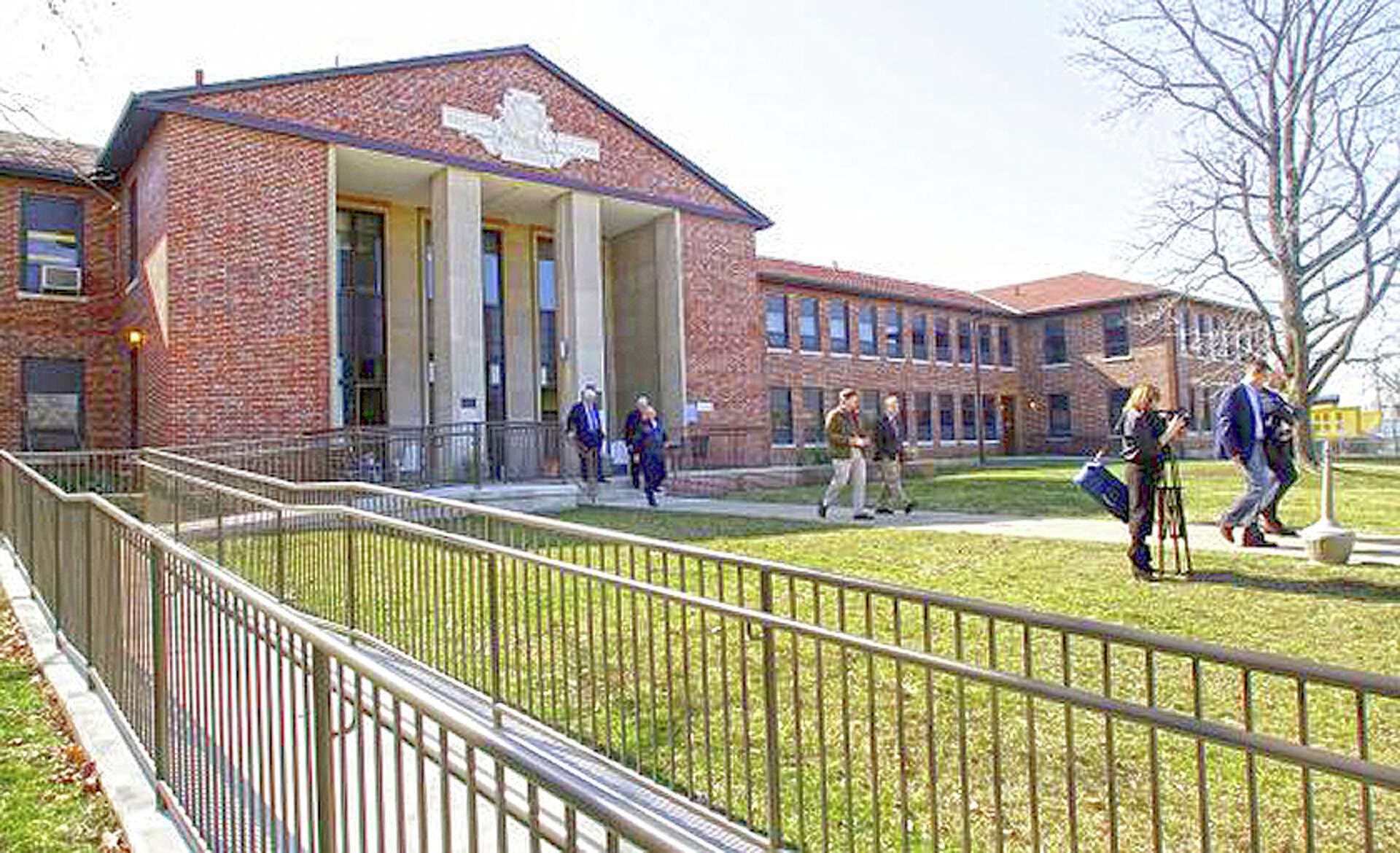
The Jacksonville Area Museum has helped preserve that memory. It opened an exhibit on the center’s history in April 2024 and also offers oral histories from former employees, a crucial step for keeping the human side of the story alive. Those accounts matter because they move the discussion away from abandoned walls and toward the people who worked there, built routines there, and saw the center as part of their lives, not just a policy problem.
A time capsule recently moved from the grounds adds another layer to that sense of unfinished history. It is a reminder that the campus still contains artifacts, stories, and unanswered questions about what should be preserved and what should be allowed to disappear. In that way, the site continues to function as a living archive, even in decay.
A future still being debated
The former Jacksonville Developmental Center is now listed by the state’s Surplus to Success program as a high-priority property, with the site identified as 100 acres. That designation keeps the property on the state’s agenda and shows that the campus is still part of active planning, not just local nostalgia.
In 2025, legislation was introduced seeking $67.6 million for demolition and remediation of the former center, underscoring how expensive and politically difficult the next step will be. Demolition would resolve some safety concerns, but it could also erase a structure that many people still see as central to Jacksonville’s history. Preservation, meanwhile, would require money, planning, and a clear vision for a site that has already spent more than a decade in limbo.
That tension is why the Jacksonville Developmental Center remains so powerful in Morgan County memory. It stands for a long era of state care, a large local workforce, and the uneasy reality that when a public institution closes, the past does not disappear with it. It lingers in the buildings, in the oral histories, and in the unresolved question of what responsibility a community still has to the place where so many lives once crossed.
This article was produced by Prism’s automated news system from verified source data, official records, and press releases, then run through automated quality and moderation checks before publishing. The system is built and supervised by the people who set the standards it runs under. Read our full AI policy.
Did this article answer your question?