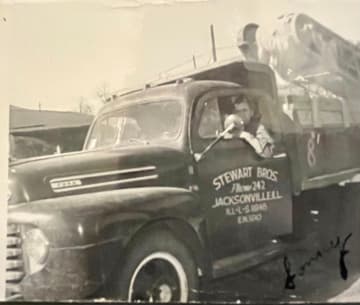
Jacksonville downtown spans 44 blocks, anchors commerce and history
Downtown Jacksonville packs 44 blocks, 300-plus properties and 190 businesses into the city’s historic core. Preservation and public events keep Main Street working every day.
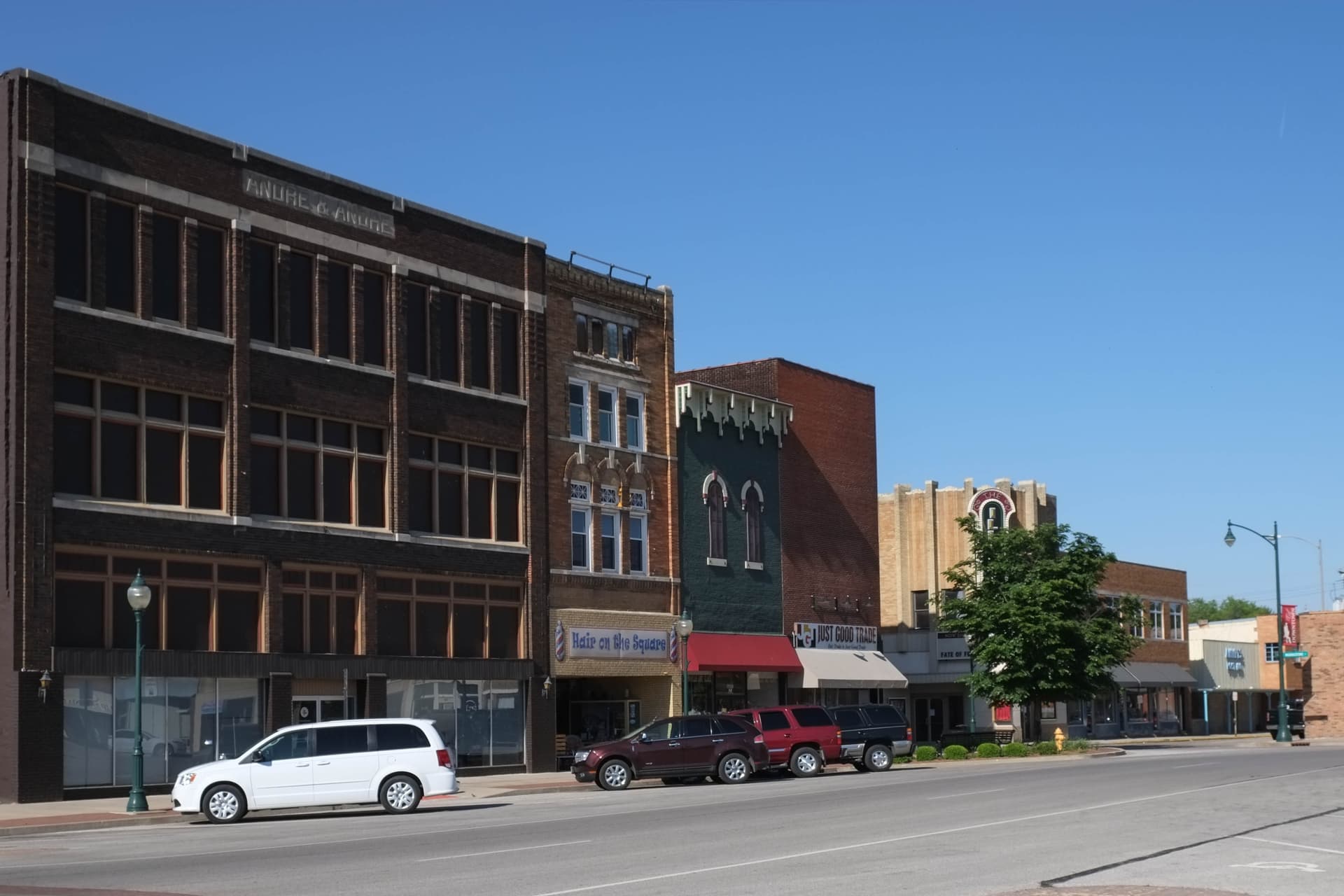
Main Street at the center of Jacksonville’s economy
Downtown Jacksonville is not a symbolic center that only fills up on festival days. It is a 44-square-block district with more than 300 properties and more than 190 businesses, which gives the city’s core real economic mass in a compact footprint. Within that area, 107 properties make up the Downtown National Register Historic District, tying daily commerce to one of the strongest preservation footprints in Morgan County.
That scale matters because downtown is where Jacksonville’s business life, civic identity and historic architecture overlap. People shop there, eat there, meet there and gather there, and the city treats the district as both a commercial engine and a visible reminder of Jacksonville’s past. In a county seat founded in 1825 and described by the city as one of the oldest towns in Illinois, that blend of old and new is part of the point.
A regional crossroads with local consequences
Jacksonville’s downtown also benefits from where the city sits on the map. The city places Jacksonville about 35 miles west of Springfield, 235 miles southwest of Chicago and 85 miles northeast of St. Louis, which puts the downtown within reach of regional travelers as well as local customers. That matters for restaurants, retailers, service businesses and attractions that depend on steady foot traffic and repeat visits.
For residents, that geography means downtown is not a destination that sits apart from daily life. It is the place where errands, lunch stops, government business and special events can all happen inside the same historic footprint. For visitors, it is often the quickest way to understand Jacksonville’s character, because the district compresses the city’s history, commerce and public life into a walkable core.
The organizations shaping the district
Jacksonville Main Street sits at the center of the city’s downtown strategy. Chartered in 1998 and officially at work in 1999, the nonprofit says its mission is to enhance quality of life, cultivate historic integrity and help businesses thrive through partnerships and programming. Its homepage frames downtown work around historic preservation, economic development and public events, which is a clear sign that the city views Main Street as a place to grow, not just preserve.
That effort does not happen in isolation. The Jacksonville Area Convention and Visitors Bureau, the Jacksonville Area Chamber of Commerce, Jacksonville Main Street and the Jacksonville Regional Economic Development Corporation are all tied to downtown’s health, and the city’s own resource pages point residents toward those groups. Mayor Andy Ezard is listed as serving on the boards of the Chamber, the Convention and Visitors Bureau, Jacksonville Main Street and JREDC, underscoring how closely civic leadership is linked across downtown organizations.
The message from those institutions is consistent: downtown should be the “location of choice” for small, locally owned businesses and the economic hub for that kind of local commerce. That is more than branding. It reflects a strategy built around keeping ground-floor businesses active, drawing people into the district and making sure downtown stays relevant as retail habits change.
Preservation as an economic tool
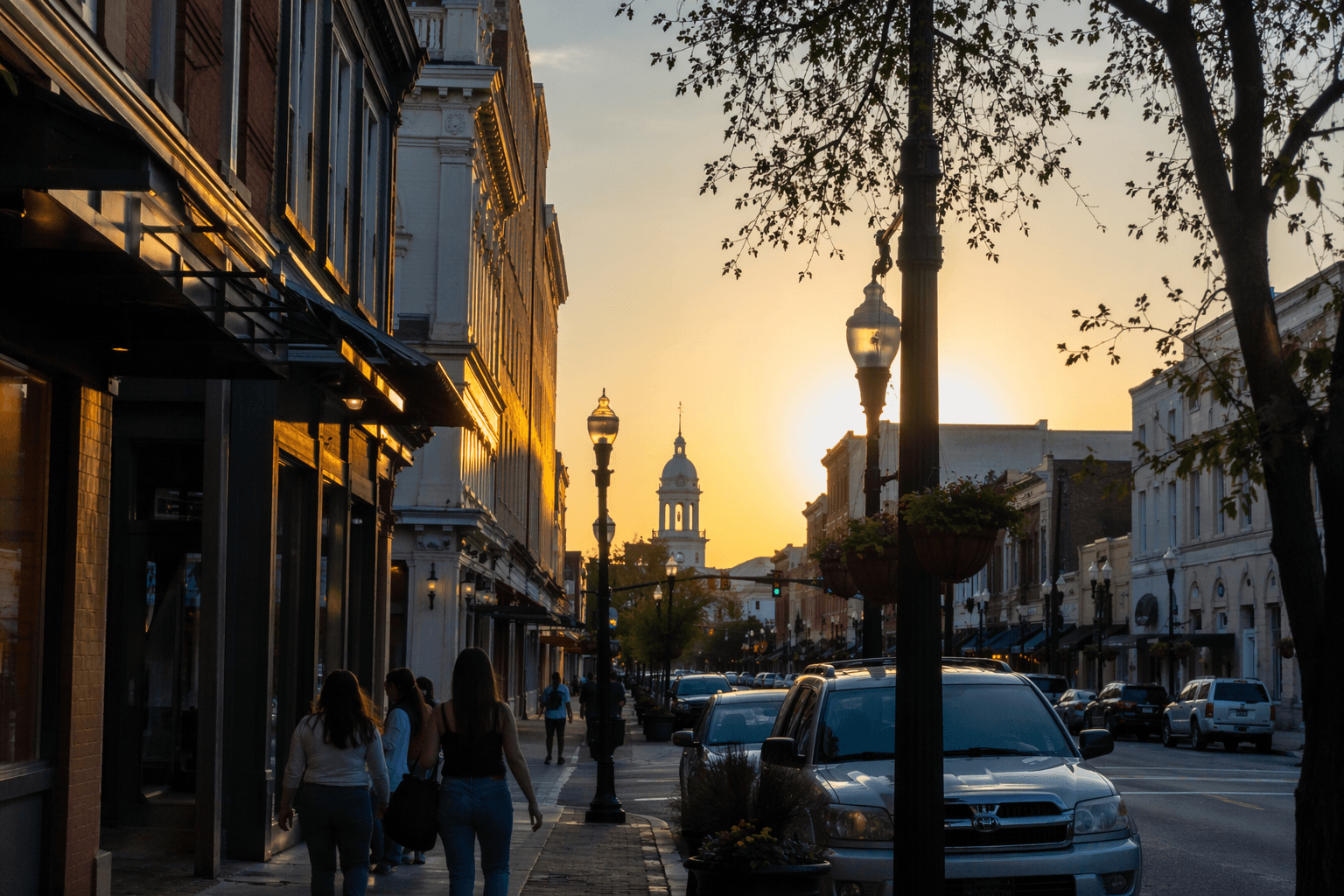
The district’s historic designation gives downtown a second job beyond commerce. It is also a protected piece of the city’s architectural memory, and that protection is meant to support continuity when storefronts change hands or buildings need new uses. The Historic Preservation Commission of Jacksonville, Illinois says its goal is to preserve and promote the historical and architectural structures in Jacksonville’s historic district and the rest of the city, and the commission consists of eleven city residents who meet monthly.
That work matters because old buildings need active planning if they are going to remain useful. The city provides administrative support for the Historic Preservation District, the Enterprise Zone and the Downtown TIF District, which shows that preservation and economic development are being managed together rather than separately. In practical terms, those tools can help make renovations and reuse more feasible, which is critical in a downtown where building stock is part of the appeal and part of the challenge.
This is where Jacksonville’s downtown strategy becomes especially important for merchants and property owners. The district’s value is not only in the number of businesses already there, but in the ability to keep older spaces adaptable enough for new tenants, new uses and new investment. That is how a historic district stays financially relevant instead of becoming frozen in time.
What people come downtown to see and do
Downtown Jacksonville’s civic identity is reinforced by attractions that sit close to the business core. The city highlights the Big Eli Ferris Wheel and the David Strawn Art Gallery as part of the downtown experience, linking Main Street to the visitor economy as well as local shopping and dining. Those places help give the district reasons for people to linger, not just pass through.
Events and arts programming matter because they help create the foot traffic that small businesses need. Jacksonville Main Street says its public events and arts projects bring people into the historic central business district and increase exposure for small businesses, which is exactly how a compact downtown can work as an everyday economic engine. A crowd drawn in for an event can turn into dinner customers, shoppers or repeat visitors later in the week.
Downtown’s strength, then, is not one single storefront or one marquee attraction. It is the combination of 44 blocks, a dense business mix, a preserved historic district and a civic network that treats the center of town as a shared asset. In Jacksonville, Main Street remains one of the clearest places where the city’s history still produces present-day commerce.
This article was produced by Prism’s automated news system from verified source data, official records, and press releases, then run through automated quality and moderation checks before publishing. The system is built and supervised by the people who set the standards it runs under. Read our full AI policy.
Did this article answer your question?